Ceratonia
Ceratonia · Accepted scientific name
Scientific literature: Very Sparse (1 studies) · ★☆☆☆☆
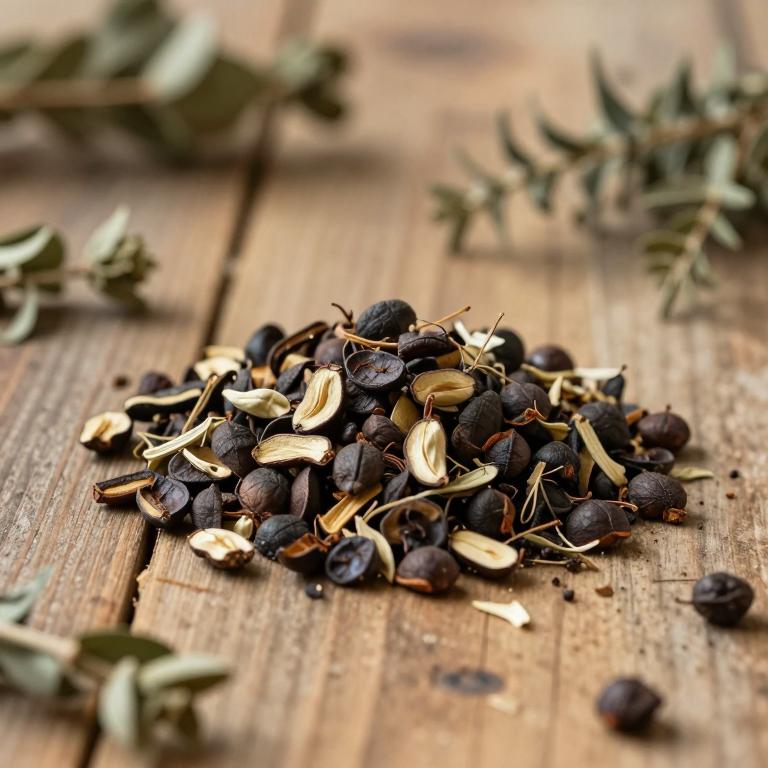
Ceratonia, scientifically known as Ceratonia, is a versatile evergreen tree native to the Mediterranean. Renowned for its nutrient-dense carob pods, it serves as a powerhouse of fiber, antioxidants, and natural sweeteners. Beyond nutrition, its extracts offer significant therapeutic potential in supporting digestive health and managing oxidative stress naturally.
- Family
- Not available
- Native range
- Europe
- Parts used
- Leaf
- Common names
- Not available
- Scientific synonyms
- Not available
Names and Synonyms
Scientific Names
Accepted name
CeratoniaDistribution
This plant exhibits a diverse geographical distribution across several European regions. In Middle Europe, its presence is specifically noted in Germany. Moving toward the Mediterranean, it can be found throughout various parts of Southwestern Europe. This includes its establishment in the Baleares and Corse. Finally, the species is also widely distributed across France and Portugal.
| Region | Area |
|---|---|
| Middle Europe | Germany |
| Southwestern Europe | Baleares |
| Southwestern Europe | Corse |
| Southwestern Europe | France |
| Southwestern Europe | Portugal |
| Southwestern Europe | Sardegna |
| Southwestern Europe | Spain |
| Southeastern Europe | Albania |
| Southeastern Europe | Greece |
| Southeastern Europe | Italy |
Sources: The World Checklist of Vascular Plants (WCVP)
Plant Parts
Ceratonia has 1 reported plant parts identified across 1 scientific publications and several other databases that are studied for medicinal purposes. The most consistently reported plant part include leaf.
| Plant part | Supporting sources | Consensus |
|---|---|---|
| Leaf | 1 supporting sources | ★☆☆☆☆ |
Leaf
- BioFactors (Oxford, England)