Cephalotaxus harringtoniana
Cephalotaxus harringtonia · Accepted scientific name
Scientific literature: Very Extensive (505 studies) · ★★★★★
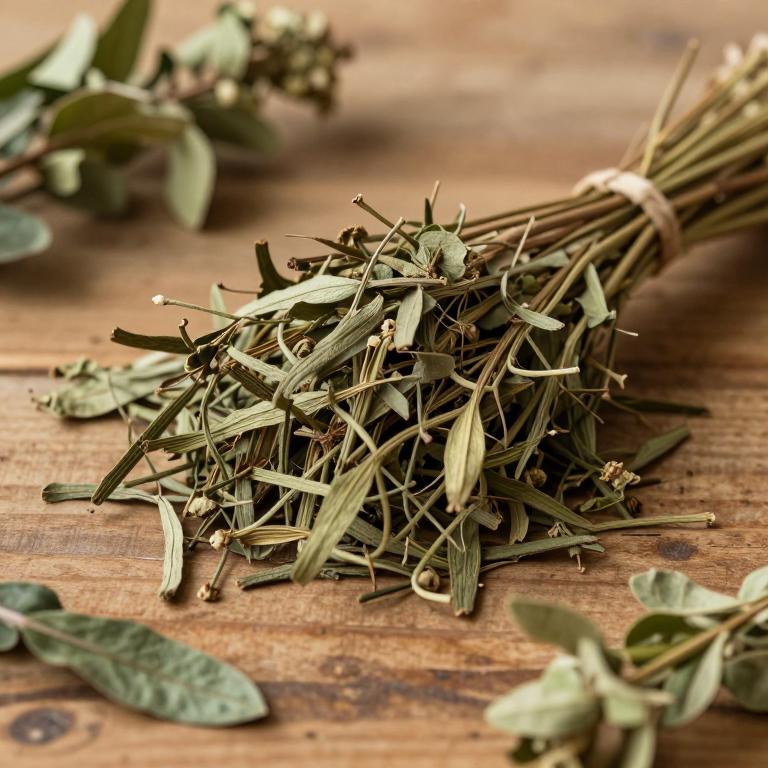
Cephalotaxus harringtoniana, scientifically known as Cephalotaxus harringtonia, is a significant medicinal evergreen shrub prized for its therapeutic potential. Renowned for containing bioactive alkaloids, particularly harringtonine, this plant plays a crucial role in pharmacology. Researchers extensively study its derivatives for their potent anti-tumor and antimicrobial properties in modern medicine.
Names and Synonyms
Common Names
- Japanese Plum-Yew
- Japanese Plum-yew
- Japnese Plum-Yew
- Harrington plum-yew
- cows-tail-pine
- plum-fruit-yew
- cowtail pine
- Harrington's Plum Yew
- Japanese Plum Yew
Scientific Names
Accepted name
Cephalotaxus harringtoniaSynonyms
- Cephalotaxus harringtonia f. fastigiata
- Cephalotaxus harringtonia var. sinensis
- Cephalotaxus sinensis
- Cephalotaxus harringtonia lusus koraiana
- Cephalotaxus harringtonia var. koraiana
- Cephalotaxus drupacea f. fastigiata
- Cephalotaxus harringtonia var. fastigiata
- Cephalotaxus harringtonia var. drupacea
- Cephalotaxus harringtonia subsp. drupacea
- Taxus drupacea
- Cephalotaxus drupacea f. sphaeralis
- Cephalotaxus harringtonia f. sphaeralis
- Cephalotaxus pedunculata var. sphaeralis
- Cephalotaxus fortunei var. foemina
- Cephalotaxus sinensis subsp. wilsoniana
- Podocarpus koraianus
- Cephalotaxus harringtonia var. wilsoniana
- Cephalotaxus harringtonia f. drupacea
- Cephalotaxus harringtonia var. sphaeralis
- Cephalotaxus sinensis var. wilsoniana
- Cephalotaxus wilsoniana
- Cephalotaxus pedunculata
- Cephalotaxus pedunculata var. fastigiata
- Cephalotaxus drupacea var. pedunculata
- Cephalotaxus drupacea var. sinensis
- Cephalotaxus drupacea
- Cephalotaxus drupacea var. harringtonia
- Cephalotaxus buergeri
- Taxus pedunculata
- Nageia koraiana
- Taxus harringtonia
Regional and Traditional Names
Spanish:
- Cefalotaxo drupáceo
German:
- Japanische Kopfeibe
- Harringtons Kopfeibe
- japanische Kopfeibe
- Japanische Pflaumeneibe
French:
- Cephalotaxus du Japon
- Céphalotaxus d'Harrington
- Pin à queue de vache
Sources: Wikidata, Catalogue of Life
Taxonomical Classification
This plant belongs to the kingdom Plantae and is classified within the phylum Streptophyta and class Equisetopsida. It falls under the subclass Pinidae and order Pinales, specifically within the family Cephalotaxaceae. Finally, its taxonomic identity is defined by the genus Cephalotaxus.
| Rank | Classification |
|---|---|
| Kingdom | Plantae |
| Phylum | Streptophyta |
| Class | Equisetopsida |
| Subclass | Pinidae |
| Order | Pinales |
| Family | Cephalotaxaceae |
| Genus | Cephalotaxus |
Sources: The World Checklist of Vascular Plants (WCVP)
Distribution
This plant exhibits a broad geographical range that spans across different continents and diverse regions. In Europe, its presence is specifically noted within the borders of Romania. Within Asia, the species is widely distributed across several distinct parts of China. Specifically, it can be found in China South-Central, China North-Central, and China Southeast. Additionally, its habitat extends to the tropical island province of Hainan.
| Region | Area |
|---|---|
| Southeastern Europe | Romania |
| China | China South-Central |
| China | Hainan |
| China | China North-Central |
| China | China Southeast |
| Eastern Asia | Japan |
| Eastern Asia | Korea |
| Eastern Asia | Taiwan |
| Northeastern U.S.A. | New York |
Sources: The World Checklist of Vascular Plants (WCVP)
Botanical Identification
Ecology
The ecology of Cephalotaxus harringtonia is defined by its highly specific niche requirements, particularly concerning its altitudinal distribution. This species occupies a narrow ecological belt, characterized by an elevational range that is strictly constrained to a specific altitude of 1450 m AMSL. This lack of vertical variation suggests a specialized adaptation to the precise climatic, barometric, and soil conditions found at this particular level above mean sea level. Such a localized elevational profile indicates that the plant's survival is closely tied to the unique environmental variables—such as temperature gradients, moisture availability, and atmospheric pressure—that stabilize at this exact height within its native habitat.
- Elevational range max:
- 1450 m AMSL
Life history
The life history of Cephalotaxus harringtonia is characterized by a perennial growth pattern that transitions through distinct developmental stages, primarily functioning as a phanerophyte due to its woody, shrub-to-tree stature where the buds are borne on branches well above the ground level. Within its ecological niche, its structural classification can occasionally be interpreted through the lens of a nanophanerophyte, reflecting its ability to maintain relatively low-growing, compact woody forms in certain environments. The life cycle begins with the production of seeds within fleshy, often brightly colored arils, which facilitate dispersal by birds. Following germination, the plant undergoes a slow maturation process, establishing a robust root system and developing dense, dark green, leathery foliage that persists through various seasonal shifts. As a long-lived gymnosperm, it exhibits a steady growth rate, investing heavily in secondary xylem to support its perennial architecture, eventually reaching a reproductive maturity where it produces male and female cones on separate plants, adhering to a dioecious reproductive strategy.
- Life form :
- nanophanerophyte
- Life form :
- phanerophyte
Morphology
The morphology of Cephalotaxus harringtonia is characterized by a woody growth form, typically manifesting as a shrub or small tree. As an independent organism, it does not function as a parasite and maintains a terrestrial existence rather than an epiphytic one. While it possesses a sturdy, woody structure, it does not exhibit climbing tendencies, remaining a self-supporting plant in its natural habitat.
- Climber :
- self-supporting
- Epiphyte :
- terrestrial
- Growth form :
- shrub
- Parasite :
- independent
- Woodiness :
- woody
Physiology
The physiology of Cephalotaxus harringtonia is characterized by a complex metabolic framework centered around its carbon fixation mechanisms and the specialized biosynthesis of secondary metabolites. As a woody gymnosperm, it utilizes the C3 photosynthetic pathway, where atmospheric carbon dioxide is fixed into organic compounds through the Calvin cycle via the enzyme RuBisCO within the mesophyll cells. This metabolic process supports the plant's growth and provides the carbon skeletons necessary for the intricate biosynthesis of taxanes and other nitrogenous alkaloids, which are vital for its medicinal properties. The plant's physiological efficiency is heavily influenced by environmental factors such as light intensity, temperature, and moisture availability, which regulate stomatal conductance and gas exchange rates. Furthermore, its physiological resilience is demonstrated through its ability to manage oxidative stress and maintain cellular homeostasis through various antioxidant enzymatic systems, ensuring survival and the continuous production of bioactive compounds under fluctuating ecological conditions.
- Photosynthetic pathway :
- C3
Reproduction
The reproduction of Cephalotaxus harringtonia is characterized by the production of specialized seeds that exhibit specific morphological weight profiles. Based on empirical data, the seeds of this species possess a mean mass of 0.420095 g, representing the average weight of the reproductive units. The variation in seed size is relatively narrow, with individual seed masses ranging from a minimum of 0.364 g to a maximum of 0.47619 g. These measurements provide a quantitative basis for understanding the energy investment and physical characteristics of the plant's progeny during its reproductive cycle.
- Seed mass max:
- 0.47619 g
- Seed mass mean:
- 0.420095 g
- Seed mass min:
- 0.364 g
Sources: Global Inventory of Floras and Traits (GIFT)
Plant Parts
Cephalotaxus harringtonia has 4 reported plant parts identified across 10 scientific publications and several other databases that are studied for medicinal purposes. The most consistently reported plant part include leaf, stem, fruit, root.
| Plant part | Supporting sources | Consensus |
|---|---|---|
| Leaf | 5 supporting sources | ★★★☆☆ |
| Stem | 3 supporting sources | ★★☆☆☆ |
| Fruit | 1 supporting sources | ★☆☆☆☆ |
| Root | 1 supporting sources | ★☆☆☆☆ |
Leaf
- Journal of natural products
- Archives of pharmacal research
- Journal of chromatography. A
- Veterinary and human toxicology
- Evidence-based complementary and alternative medicine : eCAM
Stem
- Biochemical and biophysical research communications
- Journal of natural products
- Chemical & pharmaceutical bulletin
Fruit
- Evidence-based complementary and alternative medicine : eCAM
Root
- Biochemical and biophysical research communications
Chemicals
Cephalotaxus harringtonia has 99 reported phytochemicals identified across 10 scientific publications and several other databases. The most consistently reported chemicals include TAXOL, paclitaxel, 10-Deacetylbaccatin III, Baccatin III, Brevifoliol.
| Chemical | Supporting sources | Consensus |
|---|---|---|
| TAXOL | 6 supporting sources | ★★★☆☆ |
| paclitaxel | 6 supporting sources | ★★★☆☆ |
| 10-Deacetylbaccatin III | 5 supporting sources | ★★★☆☆ |
| Baccatin III | 4 supporting sources | ★★☆☆☆ |
| Brevifoliol | 2 supporting sources | ★☆☆☆☆ |
| Cephalomannine | 2 supporting sources | ★☆☆☆☆ |
| Cephalotaxine | 2 supporting sources | ★☆☆☆☆ |
| Isolariciresinol | 2 supporting sources | ★☆☆☆☆ |
| Taxane | 2 supporting sources | ★☆☆☆☆ |
| Taxanes | 2 supporting sources | ★☆☆☆☆ |
TAXOL
- Dr. Duke
- Plant physiology and biochemistry : PPB
- Biochemical and biophysical research communications
- FEMS microbiology letters
- Biocell : official journal of the Sociedades Latinoamericanas de Microscopia Electronica ... et. al
View 1 additional sources
- Journal of natural products
paclitaxel
- Journal of photochemistry and photobiology. B, Biology
- PloS one
- Plant biotechnology journal
- Iranian journal of pharmaceutical research : IJPR
- Phytochemical analysis : PCA
View 1 additional sources
- Adverse drug reactions and toxicological reviews
10-Deacetylbaccatin III
- Biological chemistry Hoppe-Seyler
- Journal de pharmacie de Belgique
- Biochemical and biophysical research communications
- Journal of chromatography. A
- Planta medica
Baccatin III
- Nature biotechnology
- Biochemical and biophysical research communications
- PloS one
- Journal of natural products
Brevifoliol
- Dr. Duke
- Journal of natural products
Cephalomannine
- Dr. Duke
- Journal of natural products
Cephalotaxine
- Dr. Duke
- Archives of pharmacal research
Isolariciresinol
- Dr. Duke
- Zeitschrift fur Naturforschung. C, Journal of biosciences
Taxane
- Plant physiology and biochemistry : PPB
- PloS one
Taxanes
- Journal of photochemistry and photobiology. B, Biology
- Plant biotechnology journal
Activities
Cephalotaxus harringtonia has 323 reported activities identified across 10 scientific publications and several other databases. The most consistently reported activities include Anticancer, Cytotoxic, ACE-Inhibitor, Acaricide, Adrenergic.
| Activity | Supporting sources | Consensus |
|---|---|---|
| Anticancer | 3 supporting sources | ★★☆☆☆ |
| Cytotoxic | 2 supporting sources | ★☆☆☆☆ |
| ACE-Inhibitor | 1 supporting sources | ★☆☆☆☆ |
| Acaricide | 1 supporting sources | ★☆☆☆☆ |
| Adrenergic | 1 supporting sources | ★☆☆☆☆ |
| Aldose-Reductase-Inhibitor | 1 supporting sources | ★☆☆☆☆ |
| Allelopathic | 1 supporting sources | ★☆☆☆☆ |
| Allergenic | 1 supporting sources | ★☆☆☆☆ |
| Alpha-Glucosidase-Inhibitor | 1 supporting sources | ★☆☆☆☆ |
| Analgesic | 1 supporting sources | ★☆☆☆☆ |
Anticancer
- Dr. Duke
- Pharmacognosy magazine
- Journal of chromatography. A
Cytotoxic
- Dr. Duke
- Chemical & pharmaceutical bulletin
ACE-Inhibitor
- Dr. Duke
Acaricide
- Dr. Duke
Adrenergic
- Dr. Duke
Aldose-Reductase-Inhibitor
- Dr. Duke
Allelopathic
- Dr. Duke
Allergenic
- Dr. Duke
Alpha-Glucosidase-Inhibitor
- Dr. Duke
Analgesic
- Dr. Duke
Conditions
Cephalotaxus harringtonia has 1 reported investigations on conditions identified across 10 scientific publications and several other databases. The most consistently reported conditions include heart failure.
| Condition | Supporting sources | Consensus |
|---|---|---|
| Heart failure | 1 supporting sources | ★☆☆☆☆ |
Heart failure
- Translational research : the journal of laboratory and clinical medicine
Preparations
Cephalotaxus harringtonia has 23 reported preparations identified across 10 scientific publications and several other databases. The most consistently reported preparations include leaves, Callus culture, Cephalotaxus harringtonia extract, Methanol extract of fruits, Methanol extract of leaves.
| Preparation | Supporting sources | Consensus |
|---|---|---|
| Leaves | 2 supporting sources | ★☆☆☆☆ |
| Callus culture | 1 supporting sources | ★☆☆☆☆ |
| Cephalotaxus harringtonia extract | 1 supporting sources | ★☆☆☆☆ |
| Methanol extract of fruits | 1 supporting sources | ★☆☆☆☆ |
| Methanol extract of leaves | 1 supporting sources | ★☆☆☆☆ |
| Suspension cultures | 1 supporting sources | ★☆☆☆☆ |
| T. baccata suspension cell cultures | 1 supporting sources | ★☆☆☆☆ |
| Taxus cultures | 1 supporting sources | ★☆☆☆☆ |
| Callus culture | 1 supporting sources | ★☆☆☆☆ |
| Callus cultures | 1 supporting sources | ★☆☆☆☆ |
Leaves
- Journal of natural products
- Journal of chromatography. A
Callus culture
- Biocell : official journal of the Sociedades Latinoamericanas de Microscopia Electronica ... et. al
Cephalotaxus harringtonia extract
- Journal of nutritional science and vitaminology
Methanol extract of fruits
- Evidence-based complementary and alternative medicine : eCAM
Methanol extract of leaves
- Evidence-based complementary and alternative medicine : eCAM
Suspension cultures
- Biocell : official journal of the Sociedades Latinoamericanas de Microscopia Electronica ... et. al
T. baccata suspension cell cultures
- PloS one
Taxus cultures
- Biological chemistry Hoppe-Seyler
Callus culture
- Plant physiology and biochemistry : PPB
Callus cultures
- Planta medica