Centaurea scoparia
Centaurea scoparia · Accepted scientific name
Scientific literature: Very Sparse (0 studies) · ★☆☆☆☆
Centaurea scoparia, commonly known as brown knapweed, is a versatile botanical species recognized for its distinct medicinal properties. This plant is frequently utilized in traditional herbalism due to its potent antitussive effects, which help soothe persistent coughs. Additionally, it serves as an effective astringent, helping to tighten tissues and reduce inflammation. Its purgative qualities also make it a valuable tool for supporting digestive health and cleansing the system. Understanding these diverse applications allows for a deeper appreciation of this plant's therapeutic potential.
- Synonyms
- Phaeopappus Scoparius
- Common names
- Not available
- Family
- Asteraceae
- Distribution
- Southern America
- Plant Parts
- Not available
Classification
Common Names
Centaurea scoparia is a plant commonly known by the Hebrew name דרדר המכבד. This species belongs to the thistle family and is recognized for its distinctive structural features. While it may appear as a simple weed to some, it holds a specific place within the botanical landscape. Understanding its local nomenclature helps enthusiasts identify it more easily in the wild. By learning these common names, one can better appreciate the diverse relationships between plants and the languages used to describe them.
Sources: Catalogue of Life (COL)
Synonyms
Centaurea scoparia is a plant species that is frequently recognized by its alternative taxonomic designation. In various botanical records, you may encounter it referred to by the synonym Phaeopappus scoparius. This dual naming convention can sometimes cause confusion for researchers studying its specific characteristics. However, understanding these historical connections is essential for maintaining accuracy in scientific literature. Recognizing both names ensures that botanists can correctly identify the species regardless of the nomenclature used.
Sources: The World Checklist of Vascular Plants (WCVP)
Taxonomy
Centaurea scoparia belongs to the vast kingdom Plantae, representing the diverse world of living vegetation. Within this realm, it is classified under the class Equisetopsida, highlighting its fundamental botanical structure. As a member of the order Asterales, it shares evolutionary traits with a wide array of complex flowering plants. This species is further nested within the prominent family Asteraceae, a group known for its striking floral compositions. Ultimately, its taxonomic identity is defined by its placement within the specific genus Centaurea.
| Rank | Classification |
|---|---|
| Kingdom | Plantae |
| Phylum | Streptophyta |
| Class | Equisetopsida |
| Subclass | Magnoliidae |
| Order | Asterales |
| Family | Asteraceae |
| Genus | Centaurea |
Sources: The World Checklist of Vascular Plants (WCVP)
Distribution
Geographic Regions
Centaurea scoparia exhibits a broad geographical range spanning across several key regions in Africa and Asia. In the African continent, its presence is specifically noted throughout Northern Africa and Egypt. Moving into the Asia-Temperate zone, the plant is well-established within the Arabian Peninsula, particularly in Saudi Arabia. Its distribution further extends through Western Asia, encompassing areas such as Palestine and the Sinai Peninsula. This diverse footprint highlights the plant's ability to thrive across various landscapes within these interconnected territories.
Sources: The World Checklist of Vascular Plants (WCVP)
Identification
Morphology
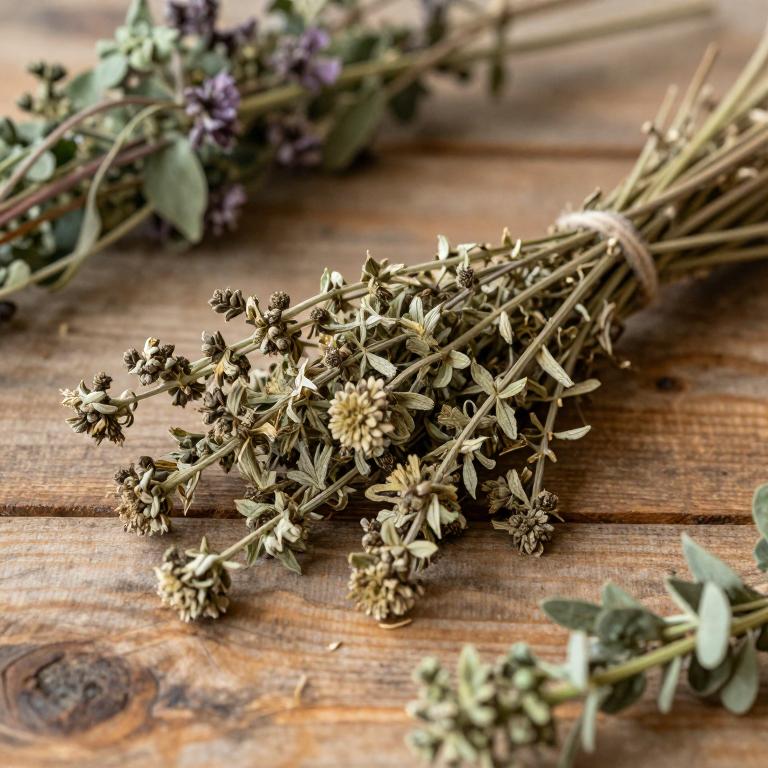
Centaurea scoparia is characterized by its distinct shrub-like growth form.
Sources: Global Inventory of Floras and Traits (GIFT)
Biological Activities
Compounds
Conditions
Centaurea scoparia is recognized in folk medicine for its ability to treat anti-inflammatory conditions. This plant species also serves as an effective remedy to treat anti-itch symptoms. Additionally, the medicinal properties of Centaurea scoparia allow it to treat antitussive issues. The plant is further utilized to treat astringent needs within traditional practices. Finally, Centaurea scoparia is known to treat purgative requirements in various applications.