Centaurea nigrescens subsp. nigrescens
Centaurea nigrescens subsp. nigrescens · Accepted scientific name
Scientific literature: Very Sparse (0 studies) · ★☆☆☆☆
Centaurea nigrescens subsp. nigrescens is a distinctive botanical species often recognized for its dark, striking characteristics. Within various traditional herbal practices, this plant has been historically studied for its potential medicinal properties. Specifically, it has been utilized in folk remedies to address respiratory discomfort, such as a persistent cough. Understanding its role in managing such conditions requires a careful look at its chemical composition and traditional applications. While it holds interest for its therapeutic history, it should always be approached with scientific caution and professional guidance.
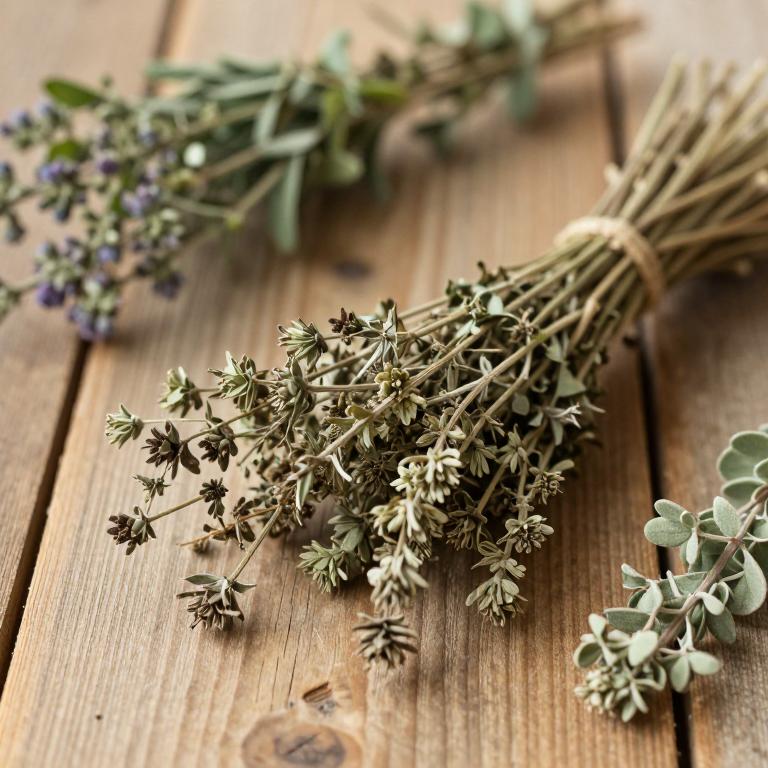
- Synonyms
- Centaurea Nigrescens Subsp. Serotina · Centaurea Jacea Var. Serotina · 19 more
- Common names
- Not available
- Family
- Asteraceae
- Distribution
- Southern America
- Plant Parts
- Not available
Classification
Common Names
Centaurea nigrescens subsp. nigrescens is a distinct botanical variety known by a variety of regional names across different languages. In French-speaking regions, it is commonly referred to as Centaurée noirâtre, while it is known as Fiordaliso nerastro in Italian. German speakers identify this plant as the Schwärzliche Flockenblume, a name that is often listed simply as Schwärzliche Flockenblume (DE) in botanical databases. In English, the species is frequently called Tyrol Knapweed, reflecting its specific geographic associations. These diverse common names highlight the widespread recognition and linguistic variety surrounding this particular subspecies.
Sources: Catalogue of Life (COL)
Synonyms
Centaurea nigrescens subsp. nigrescens is a plant species that is frequently identified by various botanical synonyms in scientific literature. Due to taxonomic shifts, it has been classified under several different names, including Centaurea amara subsp. serotina and Centaurea amara var. serotina. Researchers may also encounter this taxon listed as Centaurea brevipappa or Centaurea denticulata depending on the specific study. Additionally, it has been historically linked to the name Centaurea jacea var. serotina within certain botanical records. Understanding these complex nomenclatural relationships is essential for accurate plant identification and classification.
Sources: The World Checklist of Vascular Plants (WCVP)
Taxonomy
Centaurea nigrescens subsp. nigrescens is a distinctive biological specimen belonging to the kingdom Plantae. Within this vast kingdom, it is classified under the class Equisetopsida. Its taxonomic journey continues through the order Asterales, which helps define its evolutionary placement. Furthermore, this plant is a proud member of the diverse family Asteraceae. Ultimately, it is identified by its specific genus, Centaurea, which anchors its identity within the natural world.
| Rank | Classification |
|---|---|
| Kingdom | Plantae |
| Phylum | Streptophyta |
| Class | Equisetopsida |
| Subclass | Magnoliidae |
| Order | Asterales |
| Family | Asteraceae |
| Genus | Centaurea |
Sources: The World Checklist of Vascular Plants (WCVP)
Distribution
Geographic Regions
Centaurea nigrescens subsp. nigrescens is a notable plant species with a widespread presence across several regions of Europe. It is commonly found throughout Middle Europe, specifically inhabiting the landscapes of Austria, Belgium, and Germany. The species also extends its reach into Hungary, further establishing its footprint within the central part of the continent. Beyond these central territories, its distribution reaches into Southeastern Europe, where it can be found in Bulgaria. This diverse range highlights the plant's ability to thrive across varied European environments.
Sources: The World Checklist of Vascular Plants (WCVP)
Identification
Biological Activities
Compounds
Conditions
Centaurea nigrescens subsp. nigrescens is not mentioned in the provided text as a treatment for cough. Instead, the research specifies that Centaurea bracteata is the species associated with this particular medicinal use. This finding emerged from ethnopharmacobotanical studies conducted across various localities in Central Italy. The study categorized such uses as new medicinal applications based on limited quotations. Therefore, the specific relationship between Centaurea nigrescens subsp. nigrescens and cough treatment is not supported by this abstract.