Centaurea ainetensis
Centaurea ainetensis · Accepted scientific name
Scientific literature: Very Sparse (13 studies) · ★☆☆☆☆
Centaurea ainetenensis, scientifically known as Centaurea ainetenensis, is a rare medicinal plant endemic to specific Mediterranean habitats. Renowned for its unique phytochemical profile, it offers significant therapeutic potential. Research focuses on its bioactive compounds, which may provide anti-inflammatory and antioxidant benefits, highlighting its importance in ethnobotanical studies.
- Family
- Asteraceae
- Native range
- Asia-Temperate
- Parts used
- Flower
- Common names
- Not available
- Scientific synonyms
- Not available
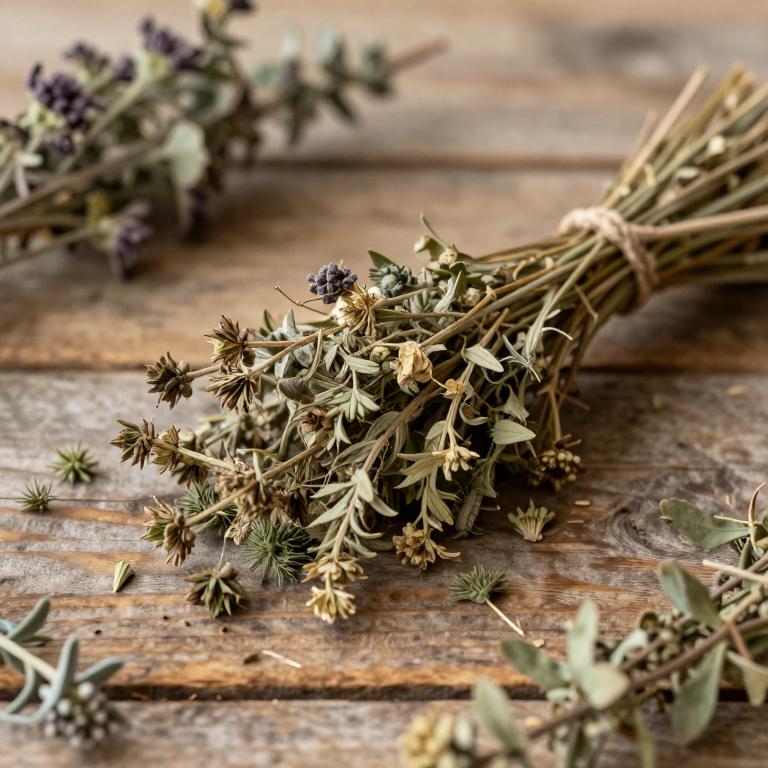
Names and Synonyms
Scientific Names
Accepted name
Centaurea ainetensisSources: Wikidata
Taxonomical Classification
This plant belongs to the kingdom Plantae and the phylum Streptophyta, falling under the class Equisetopsida and subclass Magnoliidae. Within the order Asterales, it is classified under the family Asteraceae. Finally, it is categorized under the genus Centaurea as the species Centaurea ainetenensis.
| Rank | Classification |
|---|---|
| Kingdom | Plantae |
| Phylum | Streptophyta |
| Class | Equisetopsida |
| Subclass | Magnoliidae |
| Order | Asterales |
| Family | Asteraceae |
| Genus | Centaurea |
Sources: The World Checklist of Vascular Plants (WCVP)
Distribution
This plant is a specific species of the Centaurium genus with a very limited range. Its natural habitat is primarily concentrated within the region of Western Asia. Specifically, its documented presence is found across the territories of Lebanon and Syria. Because it is restricted to these particular areas, it is considered to have a narrow geographical distribution. Understanding this specific location is essential for studying its local ecology and conservation needs.
| Region | Area |
|---|---|
| Western Asia | Lebanon-Syria |
Sources: The World Checklist of Vascular Plants (WCVP)
Plant Parts
Centaurea ainetensis has 1 reported plant parts identified across 1 scientific publications and several other databases that are studied for medicinal purposes. The most consistently reported plant part include flower.
| Plant part | Supporting sources | Consensus |
|---|---|---|
| Flower | 1 supporting sources | ★☆☆☆☆ |
Flower
- Journal of ethnopharmacology
Chemicals
Centaurea ainetensis has 2 reported phytochemicals identified across 1 scientific publications and several other databases. The most consistently reported chemicals include Salograviolide A, GUAIANOLIDE.
| Chemical | Supporting sources | Consensus |
|---|---|---|
| Salograviolide A | 2 supporting sources | ★☆☆☆☆ |
| GUAIANOLIDE | 1 supporting sources | ★☆☆☆☆ |
Salograviolide A
- Journal of natural medicines
- BMC complementary and alternative medicine
GUAIANOLIDE
- BMC complementary and alternative medicine
Conditions
Centaurea ainetensis has 8 reported investigations on conditions identified across 1 scientific publications and several other databases. The most consistently reported conditions include Candida albicans, Escherichia coli, Pseudomonas aeruginosa, Salmonella enteritidis, Salmonella typhi.
| Condition | Supporting sources | Consensus |
|---|---|---|
| Candida albicans | 1 supporting sources | ★☆☆☆☆ |
| Escherichia coli | 1 supporting sources | ★☆☆☆☆ |
| Pseudomonas aeruginosa | 1 supporting sources | ★☆☆☆☆ |
| Salmonella enteritidis | 1 supporting sources | ★☆☆☆☆ |
| Salmonella typhi | 1 supporting sources | ★☆☆☆☆ |
| Staphylococcus aureus | 1 supporting sources | ★☆☆☆☆ |
| Streptococcus faecalis | 1 supporting sources | ★☆☆☆☆ |
| Inflammation | 1 supporting sources | ★☆☆☆☆ |
Candida albicans
- Journal of ethnopharmacology
Escherichia coli
- Journal of ethnopharmacology
Pseudomonas aeruginosa
- Journal of ethnopharmacology
Salmonella enteritidis
- Journal of ethnopharmacology
Salmonella typhi
- Journal of ethnopharmacology
Staphylococcus aureus
- Journal of ethnopharmacology
Streptococcus faecalis
- Journal of ethnopharmacology
Inflammation
- BMC complementary and alternative medicine
Preparations
Centaurea ainetensis has 2 reported preparations identified across 1 scientific publications and several other databases. The most consistently reported preparations include Plant extract, methanol flowers.
| Preparation | Supporting sources | Consensus |
|---|---|---|
| Plant extract | 1 supporting sources | ★☆☆☆☆ |
| Methanol flowers | 1 supporting sources | ★☆☆☆☆ |
Plant extract
- BMC complementary and alternative medicine
Methanol flowers
- Journal of ethnopharmacology