Celtis
Celtis · Accepted scientific name
Scientific literature: Very Sparse (0 studies) · ★☆☆☆☆
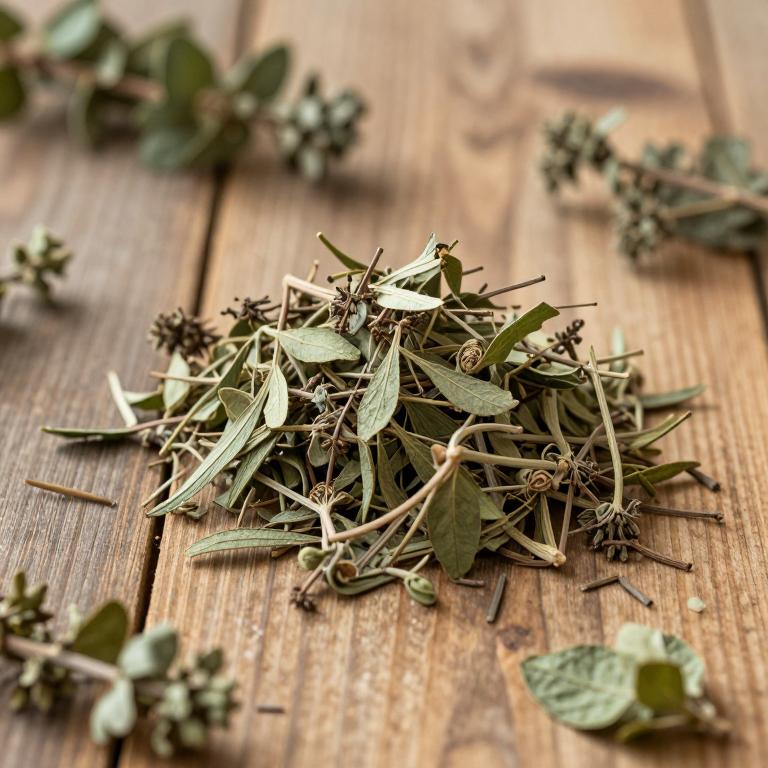
Celtis is a diverse genus of flowering plants that plays a vital role in various woodland ecosystems. These resilient trees are highly valued for their ecological contributions and unique botanical characteristics. Within their biological makeup, they contain a rich profile of beneficial compounds such as flavonoids and polyphenols. Additionally, the presence of triterpenoids highlights the complex chemical complexity found within their tissues. Understanding these phytochemical properties offers valuable insights into the medicinal and nutritional potential of the genus.
- Synonyms
- Momisia · Plagioceltis · 3 more
- Common names
- Not available
- Family
- Cannabaceae
- Distribution
- Asia-Temperate
- Plant Parts
- Not available
Classification
Common Names
Celtis is a versatile genus known by several distinct common names across different regions. It is most frequently referred to simply as Celtis, though many people recognize it as Hackberry or Nettle Tree. In certain locales, the plant is called Kapko, reflecting its local cultural significance. The species also carries the names Netelbome and Witstinkhoute within specific botanical contexts. Additionally, it is sometimes identified as Talas, showcasing the diverse linguistic heritage tied to this plant.
Sources: Catalogue of Life (COL)
Synonyms
Celtis is a diverse genus that has historically been associated with several different botanical names. Taxonomists have previously classified various species under synonyms such as Celtidopsis and Momisia. Other related classifications include the names Plagioceltis and Saurobroma, which reflect different historical perspectives on the plant's lineage. Additionally, the genus has been linked to the name Solenostigma in certain botanical contexts. Understanding these various synonyms is essential for navigating the complex evolutionary history of this plant group.
Sources: The World Checklist of Vascular Plants (WCVP)
Taxonomy
Celtis belongs to the vast kingdom Plantae, representing a diverse group of multicellular organisms. Within this kingdom, it is classified under the class Equisetopsida, marking its evolutionary lineage. The plant is further organized into the order Rosales, a grouping that connects it to various other significant species. As a member of the family Cannabaceae, it shares structural characteristics with its botanical relatives. Ultimately, it is defined by its own distinct genus, known as Celtis.
| Rank | Classification |
|---|---|
| Kingdom | Plantae |
| Phylum | Streptophyta |
| Class | Equisetopsida |
| Subclass | Magnoliidae |
| Order | Rosales |
| Family | Cannabaceae |
| Genus | Celtis |
Sources: The World Checklist of Vascular Plants (WCVP)
Distribution
Geographic Regions
Celtis exhibits a diverse geographical range that spans several key regions across the African continent. Its presence is notably established throughout East Tropical Africa, specifically within the borders of Kenya, Tanzania, and Uganda. Beyond the mainland, the genus extends its reach toward the Macaronesian islands. This distribution includes specific habitats found on the Canary Islands as well as the island of Madeira. Consequently, these varied locations highlight the plant's ability to thrive in distinct ecological niches across the Atlantic and East African landscapes.
Sources: The World Checklist of Vascular Plants (WCVP)
Identification
Biological Activities
Compounds
Celtis represents a significant and underexplored frontier within the Cannabaceae family due to its rich history in traditional medicine. Phytochemical analyses reveal that this genus is notably rich in bioactive compounds, including flavonoids and polyphenols. Furthermore, the plant contains essential terpenoids that contribute to its diverse pharmacological profile. The presence of triterpenoids within Celtis further highlights its potential for discovering novel, non-psychoactive therapeutics. By studying these specific constituents, researchers aim to unlock the medicinal promise of the genus as an alternative to more commonly researched plants.