white silk floss tree
Ceiba insignis · Accepted scientific name
Scientific literature: Very Sparse (4 studies) · ★☆☆☆☆
White silk floss tree, scientifically known as Ceiba insignis, is a magnificent tropical tree celebrated for its striking silhouette and soft, cotton-like fibers. Beyond its ornamental beauty, this species holds significant ethnobotanical value, with various parts utilized in traditional medicine to treat ailments ranging from inflammation to digestive issues.
- Family
- Malvaceae
- Native range
- Southern America
- Parts used
- Flower
- Common names
- White Silk Floss Tree
- Scientific synonyms
- Ceiba Mythica · Ceiba Integrifolia · 2 more
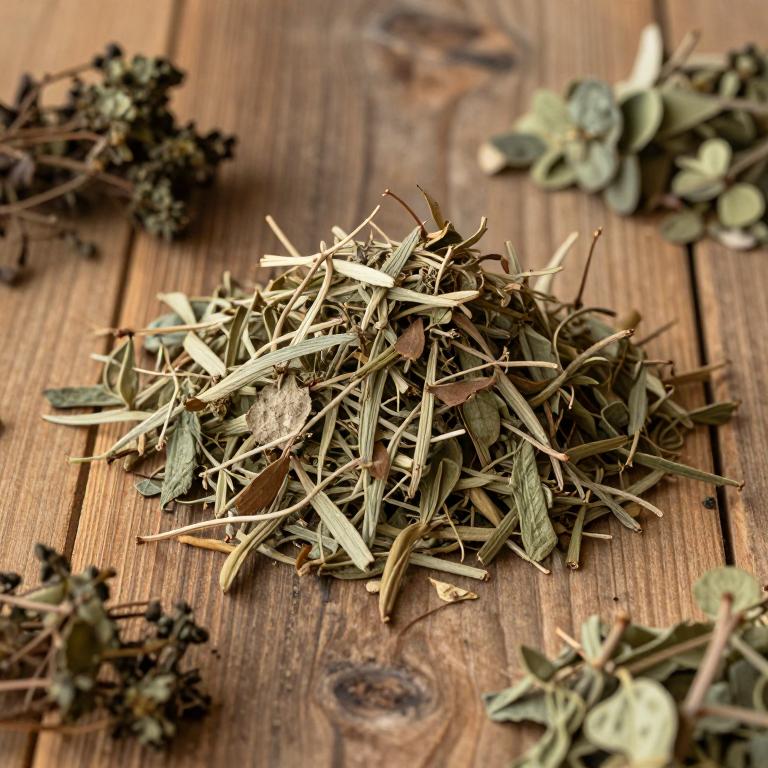
Names and Synonyms
Common Names
- white silk floss tree
Scientific Names
Accepted name
Ceiba insignisSynonyms
- Ceiba mythica
- Ceiba integrifolia
- Chorisia integrifolia
- Chorisia insignis
Regional and Traditional Names
Spanish:
- Palo Borracho Blanco
- Tunsho
- Palo borracho
Sources: Wikidata, Catalogue of Life
Taxonomical Classification
This plant, Ceiba insignis, belongs to the kingdom Plantae and the phylum Streptophyta. Within the class Equisetopsida and subclass Magnoliidae, it is categorized under the order Malvales and the family Malvaceae. Finally, it is classified under the genus Ceiba.
| Rank | Classification |
|---|---|
| Kingdom | Plantae |
| Phylum | Streptophyta |
| Class | Equisetopsida |
| Subclass | Magnoliidae |
| Order | Malvales |
| Family | Malvaceae |
| Genus | Ceiba |
Sources: The World Checklist of Vascular Plants (WCVP)
Distribution
This plant exhibits a specific geographical distribution across several distinct regions. In the Caribbean, it can be found growing within the Dominican Republic. Moving toward the western part of the South American continent, its range extends into Ecuador. Additionally, the species is documented to inhabit parts of Peru. These locations highlight the plant's presence in both island and continental environments.
| Region | Area |
|---|---|
| Caribbean | Dominican Republic |
| Western South America | Ecuador |
| Western South America | Peru |
Sources: The World Checklist of Vascular Plants (WCVP)
Botanical Identification
Life history
The life history of Ceiba insignis is characterized by its status as a perennial organism, allowing it to persist in its environment through multiple growing seasons and establish a long-term presence within its ecosystem. As a deciduous species, it undergoes a seasonal cycle where it sheds its foliage, a physiological strategy often used to conserve water or manage resources during specific climatic shifts. This combination of a perennial lifecycle and deciduous behavior dictates its rhythmic patterns of growth, dormancy, and regeneration over many years.
- Deciduousness :
- deciduous
- Lifecycle :
- perennial
Morphology
The morphology of Ceiba insignis is characterized by its robust growth form as a woody tree, which functions as a self-supporting structure rather than a climber or liana. As a terrestrial organism, it is neither aquatic nor epiphytic, existing as an independent species without parasitic tendencies. The plant exhibits significant vertical development, with a mean height of approximately 12 m, although it has the potential to reach a maximum height of up to 50 m.
- Aquatic :
- terrestrial
- Climber :
- self-supporting
- Epiphyte :
- terrestrial
- Growth form :
- tree
- Parasite :
- independent
- Plant height max:
- 50 m
- Plant height mean:
- 12 m
- Woodiness :
- woody
Physiology
The physiology of Ceiba insignis is characterized by a C3 photosynthetic pathway, meaning it utilizes the Calvin cycle to fix carbon dioxide through the enzyme RuBisCO, which is typical for most woody tropical trees. In terms of its nutrient acquisition strategy, the plant does not function as a nitrogen fixer, relying instead on the uptake of available nitrogen from the soil rather than forming symbiotic relationships with nitrogen-fixing bacteria to convert atmospheric nitrogen.
- Nitrogen fixer :
- no
- Photosynthetic pathway :
- C3
Reproduction
The reproduction of Ceiba insignis is characterized by a specialized biotic pollination syndrome, primarily driven by bats. This reliance on animal vectors for pollen transfer is underscored by the absence of self-fertilization, which necessitates cross-pollination to ensure genetic diversity and successful seed set. Once fertilization has occurred and seeds are developed, the plant utilizes an anemochorous dispersal syndrome, meaning the seeds are strategically dispersed by the wind to colonize new habitats.
- Dispersal syndrome :
- anemochorous
- Pollination syndrome :
- bat
- Pollination syndrome :
- biotic
- Self fertilization :
- absent
Sources: Global Inventory of Floras and Traits (GIFT)
Plant Parts
Ceiba insignis has 1 reported plant parts identified across 1 scientific publications and several other databases that are studied for medicinal purposes. The most consistently reported plant part include flower.
| Plant part | Supporting sources | Consensus |
|---|---|---|
| Flower | 1 supporting sources | ★☆☆☆☆ |
Flower
- Biomedical chromatography : BMC
Chemicals
Ceiba insignis has 3 reported phytochemicals identified across 1 scientific publications and several other databases. The most consistently reported chemicals include Dihydrosterculic acid, STERCULIC ACID, kaempferol hexoside.
| Chemical | Supporting sources | Consensus |
|---|---|---|
| Dihydrosterculic acid | 1 supporting sources | ★☆☆☆☆ |
| STERCULIC ACID | 1 supporting sources | ★☆☆☆☆ |
| kaempferol hexoside | 1 supporting sources | ★☆☆☆☆ |
Dihydrosterculic acid
- Biomedical chromatography : BMC
STERCULIC ACID
- Biomedical chromatography : BMC
kaempferol hexoside
- Biomedical chromatography : BMC
Preparations
Ceiba insignis has 1 reported preparations identified across 1 scientific publications and several other databases. The most consistently reported preparations include C. insignis extract.
| Preparation | Supporting sources | Consensus |
|---|---|---|
| C. insignis extract | 1 supporting sources | ★☆☆☆☆ |
C. insignis extract
- Biomedical chromatography : BMC