Ceanothus depressus
Ceanothus depressus · Accepted scientific name
Scientific literature: Very Sparse (6 studies) · ★☆☆☆☆
, scientifically known as Ceanothus depressus, is a resilient medicinal herb found primarily in the arid regions of India. Often referred to as a valuable botanical resource, this plant is highly regarded in traditional medicine for its diverse therapeutic properties, offering potential benefits in treating various ailments and promoting wellness.
- Family
- Rhamnaceae
- Native range
- Northern America
- Parts used
- Root
- Common names
- Not available
- Scientific synonyms
- Ceanothus Durangoinus · Ceanothus Pueblensis · 1 more
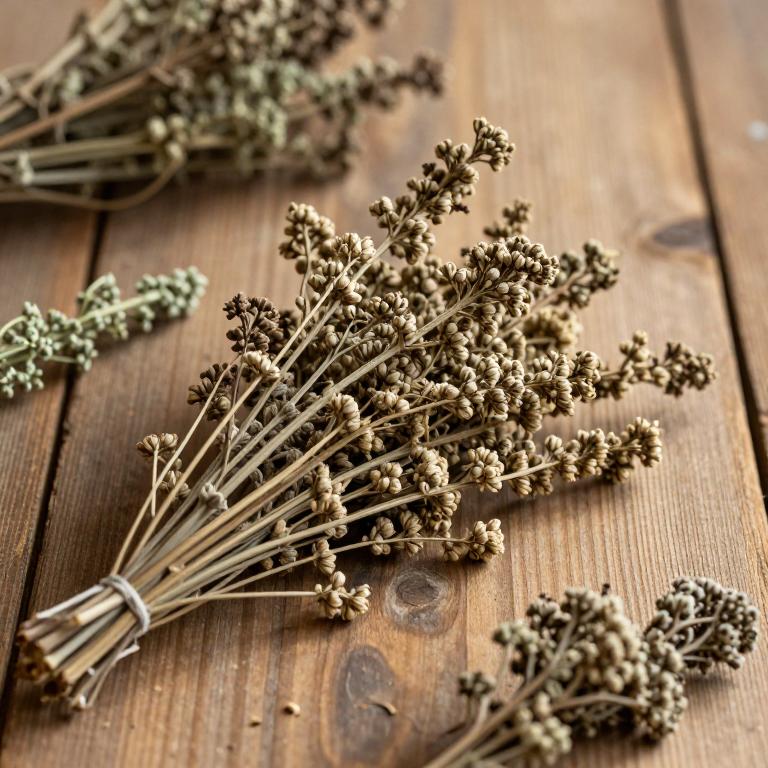
Names and Synonyms
Scientific Names
Accepted name
Ceanothus depressusSynonyms
- Ceanothus durangoinus
- Ceanothus pueblensis
- Ceanothus huichagorare
Sources: Wikidata
Taxonomical Classification
This plant belongs to the kingdom Plantae and the phylum Streptophyta, falling under the class Equisetopsida and subclass Magnoliidae. Within the order Rosales, it is classified under the family Rhamnaceae. Finally, its specific taxonomic designation is placed within the genus Ceanothus.
| Rank | Classification |
|---|---|
| Kingdom | Plantae |
| Phylum | Streptophyta |
| Class | Equisetopsida |
| Subclass | Magnoliidae |
| Order | Rosales |
| Family | Rhamnaceae |
| Genus | Ceanothus |
Sources: The World Checklist of Vascular Plants (WCVP)
Distribution
This plant, known as Cenothus depressus, exhibits a wide geographical distribution throughout various regions of Mexico. It can be found spanning across the central part of the country in Mexico Central. Additionally, its presence extends into the northeastern territories of Mexico Northeast. The species is also documented within the coastal and inland areas of Mexico Gulf. Finally, its range reaches into both the Mexico Northwest and the Mexico Southwest regions.
| Region | Area |
|---|---|
| Mexico | Mexico Central |
| Mexico | Mexico Northeast |
| Mexico | Mexico Gulf |
| Mexico | Mexico Northwest |
| Mexico | Mexico Southwest |
Sources: The World Checklist of Vascular Plants (WCVP)
Plant Parts
Ceanothus depressus has 1 reported plant parts identified across 1 scientific publications and several other databases that are studied for medicinal purposes. The most consistently reported plant part include root.
| Plant part | Supporting sources | Consensus |
|---|---|---|
| Root | 1 supporting sources | ★☆☆☆☆ |
Root
- Plant foods for human nutrition (Dordrecht, Netherlands)
Chemicals
Ceanothus depressus has 5 reported phytochemicals identified across 1 scientific publications and several other databases. The most consistently reported chemicals include CA, CU, FE, MG, ZN.
| Chemical | Supporting sources | Consensus |
|---|---|---|
| CA | 1 supporting sources | ★☆☆☆☆ |
| CU | 1 supporting sources | ★☆☆☆☆ |
| FE | 1 supporting sources | ★☆☆☆☆ |
| MG | 1 supporting sources | ★☆☆☆☆ |
| ZN | 1 supporting sources | ★☆☆☆☆ |
CA
- Plant foods for human nutrition (Dordrecht, Netherlands)
CU
- Plant foods for human nutrition (Dordrecht, Netherlands)
FE
- Plant foods for human nutrition (Dordrecht, Netherlands)
MG
- Plant foods for human nutrition (Dordrecht, Netherlands)
ZN
- Plant foods for human nutrition (Dordrecht, Netherlands)
Preparations
Ceanothus depressus has 1 reported preparations identified across 1 scientific publications and several other databases. The most consistently reported preparations include root xylem.
| Preparation | Supporting sources | Consensus |
|---|---|---|
| Root xylem | 1 supporting sources | ★☆☆☆☆ |
Root xylem
- Plant foods for human nutrition (Dordrecht, Netherlands)