Causonis japonica
Causonis japonica · Accepted scientific name
Scientific literature: Very Sparse (0 studies) · ★☆☆☆☆
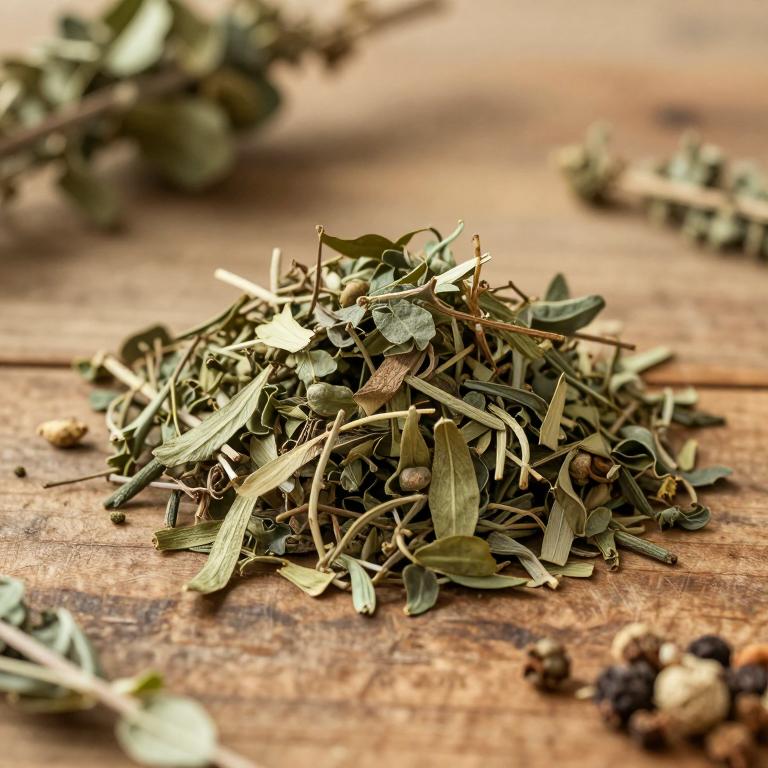
Causonis japonica is a creeping herbaceous plant that has garnered scientific interest due to its unique biochemical profile. One of its most notable components is a variety of flavonoids, which are bioactive compounds known for their antioxidant properties. Research suggests that these chemical constituents may play a significant role in modulating inflammatory responses within the body. Specifically, these effects are being investigated for their potential therapeutic benefits in managing conditions such as Ulcerative Colitis. Understanding the relationship between this plant's chemistry and intestinal health offers promising avenues for future medicinal studies.
- Synonyms
- Vitis Japonica · Cayratia Japonica · 1 more
- Common names
- Not available
- Family
- Vitaceae
- Distribution
- Pacific
- Plant Parts
- Not available
Classification
Common Names
Causonis japonica is a versatile plant known by a diverse array of names across different cultures and languages. In English-speaking regions, it is frequently referred to by the descriptive common name Bushkiller. Its presence in Thailand is marked by the local name เครือพัดห้า, reflecting its regional identity. Moving to Japan, the species is widely recognized through several linguistic variations, including ビンボウカズラ, ヤブカラシ, and ヤブガラシ. These various titles highlight the global reach and varied perceptions of this distinctive climbing vine.
Sources: Catalogue of Life (COL)
Synonyms
Causonis japonica is a plant species that is frequently identified by several different botanical names. Depending on the scientific literature being consulted, you may encounter it referred to as Cayratia japonica. It is also commonly documented under the synonym Cissus japonica in various taxonomic studies. Researchers may further categorize the species as Columella japonica when discussing its specific classifications. Finally, the name Vitis japonica serves as another recognized synonym for this particular climbing vine.
Sources: The World Checklist of Vascular Plants (WCVP)
Taxonomy
Causonis japonica is a unique biological specimen that belongs to the kingdom Plantae. Within this vast kingdom, the plant is classified under the class Equisetopsida. It further falls into the order Vitales, showcasing its specific evolutionary lineage. This species is a member of the family Vitaceae, which connects it to a broader group of climbing vines. Finally, its precise taxonomic identity is defined by its placement within the genus Causonis.
| Rank | Classification |
|---|---|
| Kingdom | Plantae |
| Phylum | Streptophyta |
| Class | Equisetopsida |
| Subclass | Magnoliidae |
| Order | Vitales |
| Family | Vitaceae |
| Genus | Causonis |
Sources: The World Checklist of Vascular Plants (WCVP)
Distribution
Geographic Regions
Causonis japonica is a plant species widely distributed across various regions of the Asia-Temperate zone. Within China, its presence is widespread, spanning from the North-Central and South-Central provinces to the Southeast. The species also extends its reach to the tropical island of Hainan. Furthermore, its geographic footprint includes Eastern Asia, specifically within the country of Japan. This broad distribution highlights the plant's ability to thrive across diverse environmental landscapes throughout the region.
Sources: The World Checklist of Vascular Plants (WCVP)
Identification
Morphology
Causonis japonica is characterized by its distinct growth form as a herbaceous plant. This species maintains an obligatory climbing habit, meaning it must use external structures to ascend and thrive.
Sources: Global Inventory of Floras and Traits (GIFT)
Biological Activities
Compounds
Conditions
Causonis japonica, also identified as Cayratia japonica, demonstrates significant therapeutic potential across various medical applications. Research indicates that this plant exhibits cytotoxic activity against the COR L23 lung cancer cell line. Furthermore, it has shown effectiveness in treating the MCF7 breast cancer cell line. Beyond its anti-cancer properties, the plant is recognized for its medicinal value in addressing ulcerative colitis. These diverse capabilities are supported by its rich flavonoid content and identified therapeutic targets.