Catharanthus longifolius
Catharanthus longifolius · Accepted scientific name
Scientific literature: Very Sparse (1 studies) · ★☆☆☆☆
, scientifically known as Catharanthus longifolius, is a significant medicinal shrub valued for its potent alkaloid content. Widely utilized in traditional medicine, this plant serves as a crucial source of therapeutic compounds used to treat various ailments. Its unique phytochemical profile makes it a subject of intense pharmacological interest.
- Family
- Not available
- Native range
- Africa
- Parts used
- Not available
- Common names
- Not available
- Scientific synonyms
- Not available
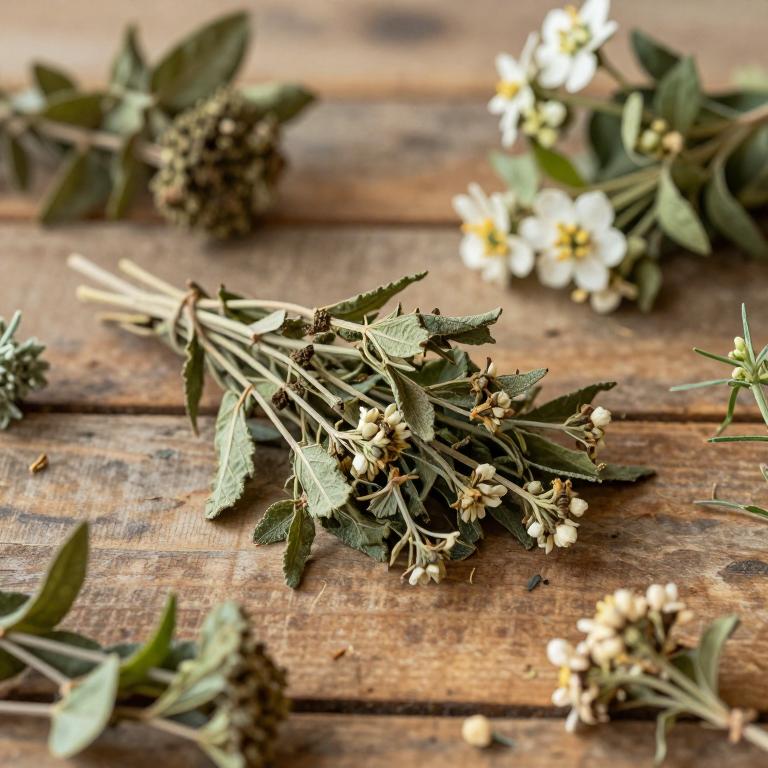
Names and Synonyms
Scientific Names
Accepted name
Catharanthus longifoliusDistribution
This plant is characterized by a very specific and limited geographical range. Its natural habitat is primarily located within the Western Indian Ocean region. Specifically, the species is endemic to the island of Madagascar. Because of this restricted distribution, it is not found natively in other parts of the world. Consequently, its ecological presence is tied directly to the unique environment of its Malagasy origin.
| Region | Area |
|---|---|
| Western Indian Ocean | Madagascar |
Sources: The World Checklist of Vascular Plants (WCVP)
Botanical Identification
Life history
The life history of Catharanthus longifolius is characterized by its status as a perennial organism, allowing it to persist through multiple growing seasons and establish long-term presence in its natural habitat. In terms of its structural growth habit and ecological positioning, the species is classified as a chamaephyte, meaning its perennable buds are located close to the soil surface, often protected by a layer of leaf litter or substrate. This life form enables the plant to withstand varying environmental stressors while maintaining the capacity for seasonal regrowth, ensuring its survival and continued development over an extended lifecycle.
- Life form :
- chamaephyte
- Lifecycle :
- perennial
Morphology
The morphology of Catharanthus longifolius is characterized by its growth form as a non-woody herb, typically reaching a mean plant height of approximately 0.5 m. As a terrestrial organism, it functions as an independent species rather than a parasite or epiphyte, maintaining a self-supporting structure throughout its development.
- Aquatic :
- terrestrial
- Climber :
- self-supporting
- Epiphyte :
- terrestrial
- Growth form :
- herb
- Parasite :
- independent
- Plant height mean:
- 0.5 m
- Woodiness :
- non-woody
Physiology
The physiology of Catharanthus longifolius is characterized by specialized metabolic pathways focused on the biosynthesis of complex indole alkaloids, which serve as primary secondary metabolites for chemical defense. Its metabolic processes are driven by efficient photosynthetic mechanisms that support rapid vegetative growth and the maintenance of high alkaloid concentrations within the leaf tissues. Regarding its nutrient acquisition and symbiotic capabilities, the plant does not engage in symbiotic nitrogen fixation; therefore, it is not a nitrogen fixer (trait_1: no). Instead, it relies on the uptake of inorganic nitrogen, such as nitrates and ammonium, from the soil through its root system to fuel its protein synthesis and secondary metabolic activities. The plant's physiological regulation involves intricate enzymatic controls that manage the conversion of precursor amino acids into bioactive compounds, ensuring survival in its native ecological niches through robust chemical signaling and defensive physiological responses.
- Nitrogen fixer :
- no
Reproduction
Reproduction in Catharanthus longifolius occurs primarily through sexual processes involving the pollination of its flowers, which are typically actinomorphic and possess functional reproductive organs. A key characteristic of its reproductive biology is the mechanism of self-fertilization, which is present within the species. This capability for self-fertilization allows for successful seed production even in the absence of diverse pollinators, ensuring reproductive stability in various environmental conditions. Following successful pollination and fertilization, the plant develops seeds within its fruit, which serve as the primary means of dispersal and the initiation of new growth cycles.
- Self fertilization :
- present
Sources: Global Inventory of Floras and Traits (GIFT)
Chemicals
Catharanthus longifolius has 1 reported phytochemicals identified across 0 scientific publications and several other databases. The most consistently reported chemicals include Antirhine.
| Chemical | Supporting sources | Consensus |
|---|---|---|
| Antirhine | 1 supporting sources | ★☆☆☆☆ |
Antirhine
- Dr. Duke