Catharanthus lanceus
Catharanthus lanceus · Accepted scientific name
Scientific literature: Sparse (61 studies) · ★★☆☆☆
, scientifically known as Catharanthus lanceus, is a remarkable medicinal shrub valued in traditional healing practices. Renowned for its potent bioactive compounds, this plant is frequently utilized to treat various ailments, ranging from inflammatory conditions to skin disorders, offering a natural approach to wellness through its unique phytochemical properties.
- Family
- Not available
- Native range
- Africa
- Parts used
- Not available
- Common names
- Not available
- Scientific synonyms
- Not available
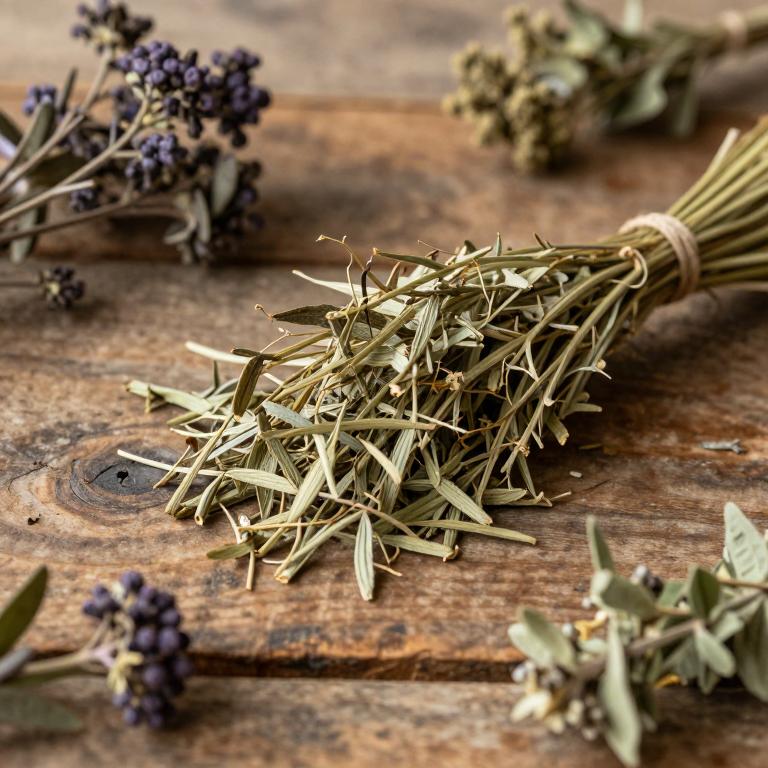
Names and Synonyms
Scientific Names
Accepted name
Catharanthus lanceusDistribution
This plant is characterized by a very specific and limited geographical range. It is primarily found within the Western Indian Ocean region. Within this area, its occurrence is notably centered in Madagascar. This localized distribution suggests that the species is endemic to this particular island environment. Consequently, its natural habitat is confined to the unique ecological zones of the Malagasy landscape.
| Region | Area |
|---|---|
| Western Indian Ocean | Madagascar |
Sources: The World Checklist of Vascular Plants (WCVP)
Botanical Identification
Life history
The life history of Catharanthus lanceus is characterized by its classification as a perennial organism, allowing it to persist through multiple growing seasons. Structurally, the plant functions as a hemicryptophyte, a life form where the perennating buds are located at the soil surface, protected by leaf litter or other organic matter during unfavorable environmental conditions. This developmental strategy enables the species to maintain stability and re-emerge effectively across its lifecycle.
- Life form :
- hemicryptophyte
- Lifecycle :
- perennial
Morphology
The morphology of Catharanthus lanceus is characterized by a growth form categorized as a herb, typically reaching a mean plant height of approximately 0.7 m. This species is a terrestrial plant that grows in a non-woody state and functions as a self-supporting organism rather than a climber. As an independent species, it does not exhibit parasitic behavior, nor does it function as an epiphyte, maintaining a strictly terrestrial existence.
- Aquatic :
- terrestrial
- Climber :
- self-supporting
- Epiphyte :
- terrestrial
- Growth form :
- herb
- Parasite :
- independent
- Plant height mean:
- 0.7 m
- Woodiness :
- non-woody
Physiology
The physiology of Catharanthus lanceus is characterized by a complex metabolic framework primarily focused on the biosynthesis of specialized secondary metabolites, specifically indole alkaloids, which serve as chemical defense mechanisms. Its metabolic pathways are highly active in the production of complex nitrogenous compounds that act as deterrents against herbivory. In terms of nutrient acquisition and soil interaction, the plant does not exhibit the physiological capacity for symbiotic nitrogen fixation; it is not a nitrogen fixer and lacks the specialized root nodules required to host diazotrophic bacteria. Consequently, its nitrogen assimilation relies entirely on the uptake of nitrates and ammonium ions from the rhizosphere through its root system. The plant's physiological processes are also driven by efficient photosynthetic activity and transpiration rates that are finely tuned to its specific environmental niche, facilitating the movement of water and essential minerals through its vascular tissues to support rapid cellular growth and the continuous synthesis of its bioactive alkaloids.
- Nitrogen fixer :
- no
Reproduction
Reproduction in Catharanthus lanceus is primarily achieved through the production of seeds via sexual processes, though its reproductive efficiency is influenced by its specific pollination mechanisms. The plant exhibits a reproductive strategy where self-fertilization is present, allowing for the development of seeds even in the absence of external pollinators, which serves as a survival mechanism in isolated environments. This ability for self-fertilization ensures genetic continuity within a population. The flowering process involves the maturation of reproductive organs within the flowers, where the transfer of pollen from the anther to the stigma facilitates fertilization. Following successful fertilization, the plant develops fruits that contain the seeds necessary for the propagation of the next generation.
- Self fertilization :
- present
Sources: Global Inventory of Floras and Traits (GIFT)
Chemicals
Catharanthus lanceus has 15 reported phytochemicals identified across 0 scientific publications and several other databases. The most consistently reported chemicals include 3,4-Dimethoxyphenylacetamide, Ajmalicine, Cathanneine, Catharanthine, Catharine.
| Chemical | Supporting sources | Consensus |
|---|---|---|
| 3,4-Dimethoxyphenylacetamide | 1 supporting sources | ★☆☆☆☆ |
| Ajmalicine | 1 supporting sources | ★☆☆☆☆ |
| Cathanneine | 1 supporting sources | ★☆☆☆☆ |
| Catharanthine | 1 supporting sources | ★☆☆☆☆ |
| Catharine | 1 supporting sources | ★☆☆☆☆ |
| LEUROSINE | 1 supporting sources | ★☆☆☆☆ |
| Lochnerine | 1 supporting sources | ★☆☆☆☆ |
| Pericalline | 1 supporting sources | ★☆☆☆☆ |
| Pericyclivine | 1 supporting sources | ★☆☆☆☆ |
| Periformyline | 1 supporting sources | ★☆☆☆☆ |
3,4-Dimethoxyphenylacetamide
- Dr. Duke
Ajmalicine
- Dr. Duke
Cathanneine
- Dr. Duke
Catharanthine
- Dr. Duke
Catharine
- Dr. Duke
LEUROSINE
- Dr. Duke
Lochnerine
- Dr. Duke
Pericalline
- Dr. Duke
Pericyclivine
- Dr. Duke
Periformyline
- Dr. Duke
Activities
Catharanthus lanceus has 46 reported activities identified across 0 scientific publications and several other databases. The most consistently reported activities include Adrenergic-Blocker, Adrenolytic, Anesthetic, Antiacetylcholinesterase, Antiadrenergic.
| Activity | Supporting sources | Consensus |
|---|---|---|
| Adrenergic-Blocker | 1 supporting sources | ★☆☆☆☆ |
| Adrenolytic | 1 supporting sources | ★☆☆☆☆ |
| Anesthetic | 1 supporting sources | ★☆☆☆☆ |
| Antiacetylcholinesterase | 1 supporting sources | ★☆☆☆☆ |
| Antiadrenergic | 1 supporting sources | ★☆☆☆☆ |
| Antiaggregant | 1 supporting sources | ★☆☆☆☆ |
| Antianginal | 1 supporting sources | ★☆☆☆☆ |
| Antiatherosclerotic | 1 supporting sources | ★☆☆☆☆ |
| Antidepressant | 1 supporting sources | ★☆☆☆☆ |
| Antidiuretic | 1 supporting sources | ★☆☆☆☆ |
Adrenergic-Blocker
- Dr. Duke
Adrenolytic
- Dr. Duke
Anesthetic
- Dr. Duke
Antiacetylcholinesterase
- Dr. Duke
Antiadrenergic
- Dr. Duke
Antiaggregant
- Dr. Duke
Antianginal
- Dr. Duke
Antiatherosclerotic
- Dr. Duke
Antidepressant
- Dr. Duke
Antidiuretic
- Dr. Duke