Castela texana
Castela texana · Accepted scientific name
Scientific literature: Very Sparse (5 studies) · ★☆☆☆☆
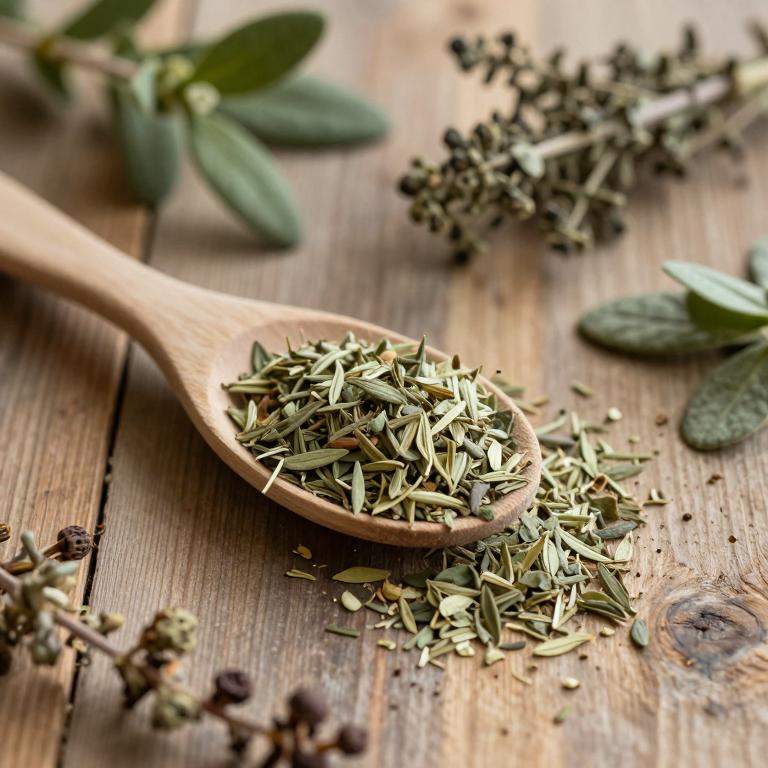
Castela texana, scientifically known as Castela texana, is a resilient perennial shrub native to the arid landscapes of Texas and Mexico. Often called Texas Castela, this woody plant is distinguished by its small, scale-like leaves and delicate flowers, playing a vital role in supporting local pollinators and desert ecosystems.
- Family
- Simaroubaceae
- Native range
- Northern America
- Parts used
- Not available
- Common names
- Not available
- Scientific synonyms
- Castela Nicholsonii · Castela Nicholsonii Var. Texana · 3 more
Names and Synonyms
Scientific Names
Accepted name
Castela texanaSynonyms
- Castela nicholsonii
- Castela nicholsonii var. texana
- Castelaria texana
- Castelaria nicholsonii
- Castela erecta subsp. texana
Sources: Wikidata
Taxonomical Classification
This plant belongs to the kingdom Plantae within the phylum Streptophyta and the class Equisetopsida. It is further classified under the subclass Magnoliidae and the order Sapindales. Finally, it is a member of the family Simaroubaceae and falls under the genus Castela.
| Rank | Classification |
|---|---|
| Kingdom | Plantae |
| Phylum | Streptophyta |
| Class | Equisetopsida |
| Subclass | Magnoliidae |
| Order | Sapindales |
| Family | Simaroubaceae |
| Genus | Castela |
Sources: The World Checklist of Vascular Plants (WCVP)
Distribution
This plant exhibits a specific and somewhat limited geographical range within North America. It is primarily found throughout the South-Central United States, specifically within the state of Texas. Beyond the American border, its presence extends into the northern reaches of Mexico. Specifically, the distribution includes the northeastern regions of Mexico. Together, these areas define the natural habitat where this medicinal species can be located.
| Region | Area |
|---|---|
| South-Central U.S.A. | Texas |
| Mexico | Mexico Northeast |
Sources: The World Checklist of Vascular Plants (WCVP)
Chemicals
Castela texana has 5 reported phytochemicals identified across 0 scientific publications and several other databases. The most consistently reported chemicals include Amarolide, Chaparrin, Chaparrinone, Glaucarubolone, Holacanthone.
| Chemical | Supporting sources | Consensus |
|---|---|---|
| Amarolide | 1 supporting sources | ★☆☆☆☆ |
| Chaparrin | 1 supporting sources | ★☆☆☆☆ |
| Chaparrinone | 1 supporting sources | ★☆☆☆☆ |
| Glaucarubolone | 1 supporting sources | ★☆☆☆☆ |
| Holacanthone | 1 supporting sources | ★☆☆☆☆ |
Amarolide
- Journal of natural products
Chaparrin
- Journal of natural products
Chaparrinone
- Journal of natural products
Glaucarubolone
- Journal of natural products
Holacanthone
- Journal of natural products
Preparations
Castela texana has 1 reported preparations identified across 0 scientific publications and several other databases. The most consistently reported preparations include methanolic extracts.
| Preparation | Supporting sources | Consensus |
|---|---|---|
| Methanolic extracts | 1 supporting sources | ★☆☆☆☆ |
Methanolic extracts
- Acta tropica