Javanese cassia
Cassia javanica subsp. nodosa · Accepted scientific name
Scientific literature: Very Sparse (3 studies) · ★☆☆☆☆
Javanese cassia, scientifically known as Cassia javaica subsp. nodosa, is a versatile medicinal shrub prized in traditional herbalism. Renowned for its potent pharmacological properties, this subspecies is frequently utilized to treat various ailments, ranging from digestive issues to inflammatory conditions, offering significant therapeutic potential through its unique bioactive compounds.
- Family
- Fabaceae
- Native range
- Asia-Tropical
- Parts used
- Leaf
- Common names
- Javanese Cassia · Appleblossom Shower · 3 more
- Scientific synonyms
- Cassia Nodosa · Cathartocarpus Nodosus
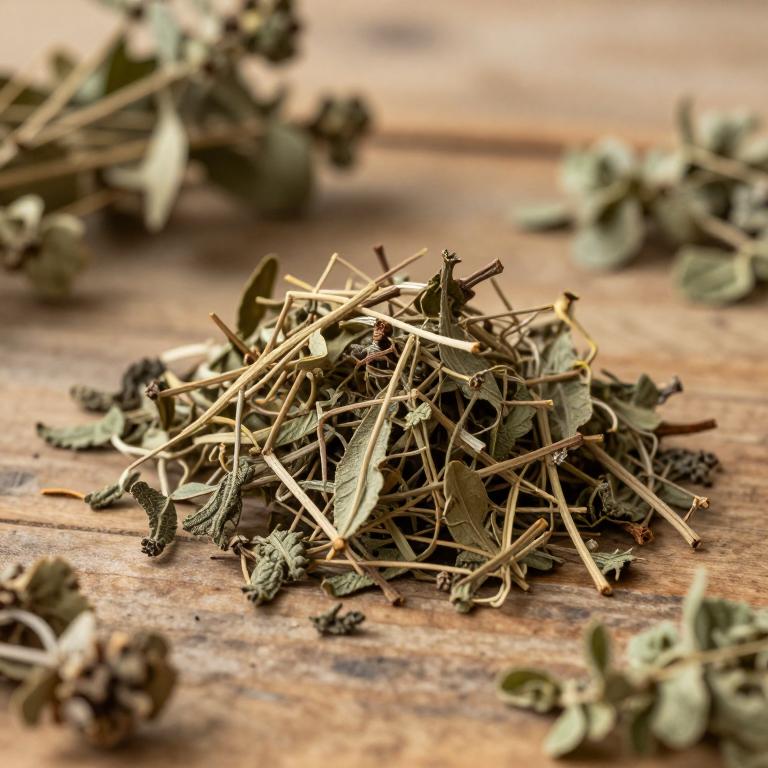
Names and Synonyms
Common Names
- Javanese cassia
- appleblossom shower
- jointwood
- pink shower
- pink-and-white shower
Scientific Names
Accepted name
Cassia javanica subsp. nodosaSynonyms
- Cassia nodosa
- Cathartocarpus nodosus
Sources: Wikidata, Catalogue of Life
Taxonomical Classification
This plant belongs to the kingdom Plantae within the phylum Streptophyta and the class Equisetopsida. It is further classified under the subclass Magnoliidae and the order Fabales, falling into the family Fabaceae. Finally, it is categorized under the genus Cassia as the specific subspecies nodosas.
| Rank | Classification |
|---|---|
| Kingdom | Plantae |
| Phylum | Streptophyta |
| Class | Equisetopsida |
| Subclass | Magnoliidae |
| Order | Fabales |
| Family | Fabaceae |
| Genus | Cassia |
Sources: The World Checklist of Vascular Plants (WCVP)
Distribution
This plant exhibits a diverse geographical distribution across several tropical regions. In the Indo-China zone, it can be found growing within the borders of Thailand. Moving into the Malesia region, its presence extends to the island of Jawa. Additionally, the species is documented to inhabit the area known as Malaya. These locations highlight the specific environmental niches where the subspecies thrives.
| Region | Area |
|---|---|
| Indo-China | Thailand |
| Malesia | Jawa |
| Malesia | Malaya |
Sources: The World Checklist of Vascular Plants (WCVP)
Plant Parts
Cassia javanica subsp. nodosa has 1 reported plant parts identified across 1 scientific publications and several other databases that are studied for medicinal purposes. The most consistently reported plant part include leaf.
| Plant part | Supporting sources | Consensus |
|---|---|---|
| Leaf | 1 supporting sources | ★☆☆☆☆ |
Leaf
- Journal of Asian natural products research
Chemicals
Cassia javanica subsp. nodosa has 2 reported phytochemicals identified across 1 scientific publications and several other databases. The most consistently reported chemicals include Quercetin 3-O-arabinoside, kaempferol 3-O-rhamnoside.
| Chemical | Supporting sources | Consensus |
|---|---|---|
| Quercetin 3-O-arabinoside | 1 supporting sources | ★☆☆☆☆ |
| kaempferol 3-O-rhamnoside | 1 supporting sources | ★☆☆☆☆ |
Quercetin 3-O-arabinoside
- Journal of Asian natural products research
kaempferol 3-O-rhamnoside
- Journal of Asian natural products research