Cassia ferruginea var. vellozoana
Cassia ferruginea var. vellozoana · Accepted scientific name
Scientific literature: Very Sparse (0 studies) · ★☆☆☆☆
Cassia ferruginea var. vellozoana is a botanical species that has gained scientific interest due to its unique chemical profile. Research focuses on its bioactive components, particularly the galactomannan found within the plant. Various preparations, including methanol extracts and milled seeds, are utilized to study its therapeutic potential. Investigations have explored its effects on specific microbial conditions involving Lactobacillus acidophilus and Streptococcus mutans. Furthermore, the leaves are examined for their efficacy in addressing medicinal concerns such as the treatment of an ulcer.
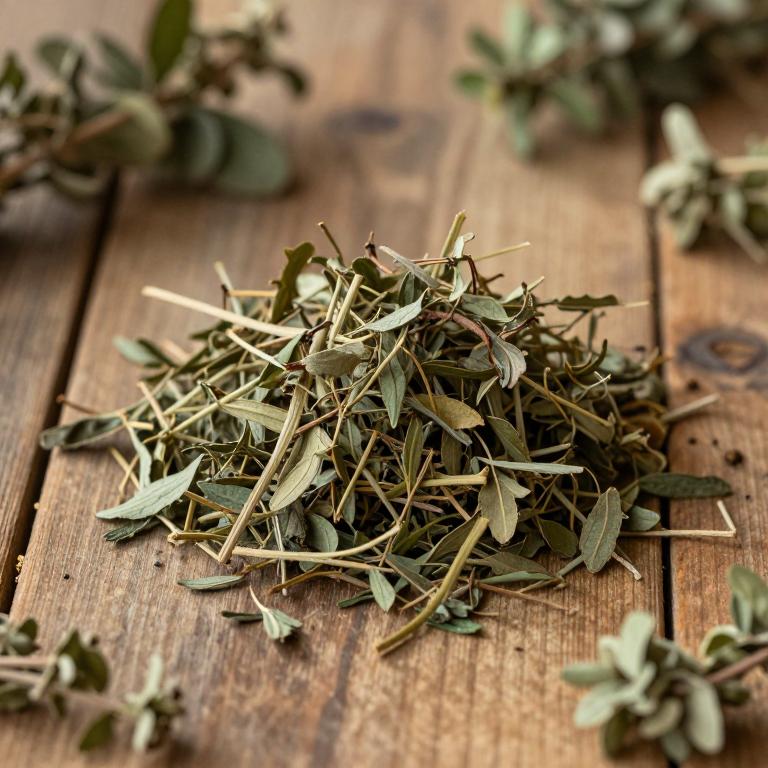
- Synonyms
- Not available
- Common names
- Not available
- Family
- Fabaceae
- Distribution
- Not available
- Plant Parts
- Leaf
Classification
Taxonomy
Cassia ferruginea var. vellozoana is a distinct botanical specimen belonging to the kingdom Plantae. Within this vast biological realm, the plant is classified under the class Equisetopsida. It further falls into the order Fabales, showcasing its specific evolutionary placement. As a member of the family Fabaceae, it shares characteristics with a diverse group of legumes. Ultimately, this variety is defined by its placement within the genus Cassia.
| Rank | Classification |
|---|---|
| Kingdom | Plantae |
| Phylum | Streptophyta |
| Class | Equisetopsida |
| Subclass | Magnoliidae |
| Order | Fabales |
| Family | Fabaceae |
| Genus | Cassia |
Sources: The World Checklist of Vascular Plants (WCVP)
Distribution
Geographic Regions
Cassia ferruginea var. vellozoana is a distinct botanical variety primarily found within the diverse landscapes of South America. Its natural range is most prominently concentrated throughout Brazil, showcasing its adaptability to the region's unique environments. Within the country, the plant is frequently observed across the expansive territories of Southern Brazil. Additionally, it maintains a significant presence in the Southeast Brazilian regions, contributing to the local flora. This specific distribution highlights the importance of protecting these particular South American habitats to ensure the species thrives.
Sources: The World Checklist of Vascular Plants (WCVP)
Identification
Biological Activities
Compounds
Cassia ferruginea var. vellozoana is a plant of significant interest due to its chemical composition, specifically because it contains galactomannan. This polysaccharide can be utilized in complex mixtures to alter the structural properties of various gel systems. Research indicates that when combined with kappa-carrageenan, galactomannans facilitate a synergistic effect that enhances viscoelastic measurements. Studies show that these mixtures result in an increased storage modulus and loss modulus compared to using carrageenan alone. Furthermore, the behavior of these components suggests that the galactomannans adhere non-specifically to the established carrageenan network.
Conditions
Cassia ferruginea var. vellozoana exhibits diverse biological activities including the treatment of Lactobacillus acidophilus and Streptococcus mutans. This plant also effectively treats various oral pathogens, demonstrating its potential antimicrobial properties. Beyond its medicinal uses, it serves a functional role in agriculture by treating seed germination. Furthermore, the plant treats the shoot and root development of Chenopodium murale through its allelopathic effects.
Preparations
Cassia ferruginea var. vellozoana is prepared as methanol extracts to investigate potential medicinal properties. This plant is also processed to obtain galactomannans for various rheological applications. Furthermore, the production of these substances often begins with the use of milled seeds. These different preparation methods allow for the extraction of specific components required for scientific study. Consequently, the plant serves as a versatile source for both chemical extracts and complex polysaccharides.
Parts used
Cassia ferruginea var. vellozoana is a plant species that holds particular significance due to its specific morphological characteristics. Within this botanical context, the leaf serves as a primary part of the plant used for study. Research into various leguminosae plants has highlighted the potential of using leaf extracts to address gastrointestinal disturbances like ulcers. By examining these botanical components, scientists aim to find natural alternatives to existing drugs that often cause side effects. Ultimately, understanding the relationship between specific plant parts and their medicinal properties can lead to the development of new anti-ulcer agents.