Casearia velutina
Casearia velutina · Accepted scientific name
Scientific literature: Very Sparse (0 studies) · ★☆☆☆☆
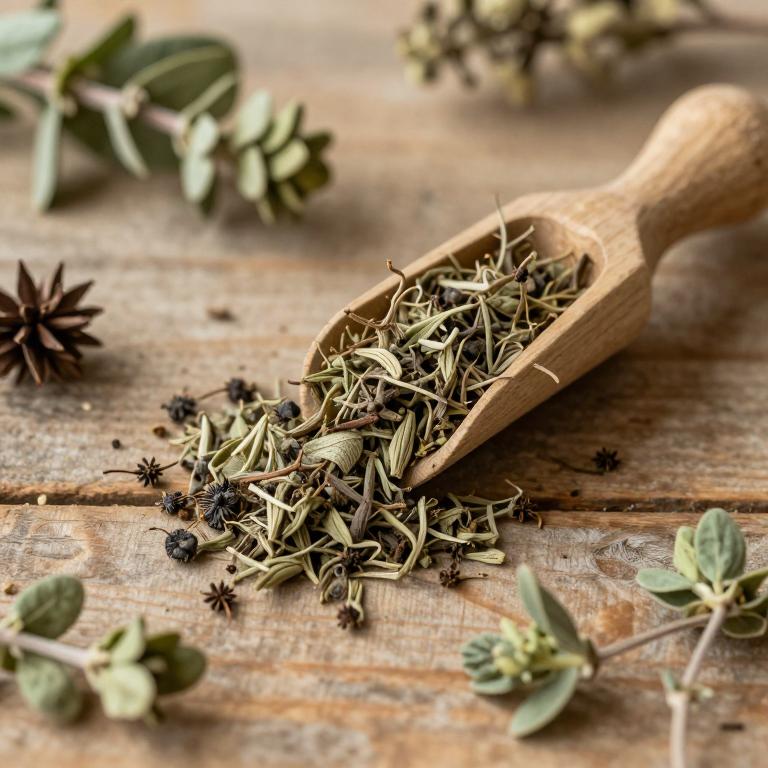
Casearia velutina is a distinctive botanical species known for its unique physical characteristics. One of its most defining features is the structure and appearance of its leaf. These leaves serve as a primary identification tool for researchers studying the plant in its natural habitat. By examining the leaf texture and shape, one can better understand the evolutionary adaptations of this species. Understanding these specific botanical details is essential for the comprehensive study of Casearia velutina.
- Synonyms
- Daphne Decandra · Casearia Propinqua · 3 more
- Common names
- Not available
- Family
- Salicaceae
- Distribution
- Southern America
- Plant Parts
- Leaf
Classification
Common Names
Casearia velutina is a versatile plant known by a diverse array of regional names. It is frequently referred to by its common Chinese names, such as 嘉赐树 and 毛嘉賜樹. In other contexts, the species is identified by the descriptive term 毛叶脚骨脆. Additionally, it is widely recognized under the name 爪哇脚骨脆. These various monikers highlight the plant's widespread presence and cultural significance across different areas.
Sources: Catalogue of Life (COL)
Synonyms
Casearia velutina is a botanical species that has been subject to various taxonomic reclassifications throughout history. Scientific literature identifies several synonyms for this plant, including Casearia balansae and its specific variety, Casearia balansae var. subglabra. Researchers have also documented its relationship to Casearia multipunctata and Casearia propinqua under different naming conventions. Furthermore, the species has occasionally been referred to by the name Daphne decandra in older botanical records. Understanding these shifting designations is essential for accurately identifying the plant within diverse ecological studies.
Sources: The World Checklist of Vascular Plants (WCVP)
Taxonomy
Casearia velutina is a distinctive member of the kingdom Plantae. Belonging to the class Equisetopsida, this species is deeply rooted in its botanical classification. It is specifically identified within the genus Casearia, which helps researchers pinpoint its unique traits. As a part of the order Malpighiales, it shares evolutionary ties with a diverse range of other plants. Ultimately, its biological identity is further defined by its placement within the family Salicaceae.
| Rank | Classification |
|---|---|
| Kingdom | Plantae |
| Phylum | Streptophyta |
| Class | Equisetopsida |
| Subclass | Magnoliidae |
| Order | Malpighiales |
| Family | Salicaceae |
| Genus | Casearia |
Sources: The World Checklist of Vascular Plants (WCVP)
Distribution
Geographic Regions
Casearia velutina displays a diverse geographic range that spans across both temperate and tropical regions of Asia. In the temperate zones, the species is widely distributed throughout various parts of China, including the South-Central and Southeast provinces as well as the island of Hainan. Moving into tropical climates, its presence extends into the Indo-China region. Specifically, documented populations can be found thriving within the borders of Laos and Myanmar. This broad distribution highlights the plant's ability to adapt to significantly different environmental conditions across the continent.
Sources: The World Checklist of Vascular Plants (WCVP)
Identification
Morphology
Casearia velutina is a self-supporting tree that establishes a sturdy presence within its ecosystem. This species typically reaches a maximum height of 15 meters as it matures. Its structured growth form allows it to thrive effectively in its natural habitat.
Sources: Global Inventory of Floras and Traits (GIFT)
Biological Activities
Compounds
Conditions
Casearia velutina is not the subject of this research, as the study focuses on the bioactive properties of Casearia balansae. Within the twigs of Casearia balansae, researchers isolated eight new clerodane diterpenes identified as balanspenes A-H. Among these isolated compounds, specific molecules including 4-7, 9, and 10 demonstrated significant biological activity. These particular compounds were found to possess the ability to stimulate NGF-mediated neurite outgrowth from PC12 cells. This finding highlights the neuroprotective potential of certain diterpenoids derived from this specific plant species.
Preparations
Parts used
Casearia velutina serves as a significant source of bioactive chemical compounds within the botanical landscape. Recent chemical investigations have focused specifically on the plant's leaves and twigs to isolate unique secondary metabolites. Researchers successfully identified nine previously undescribed clerodane-type diterpenoids, named caseabalanspenes A-I, from these leaf extracts. Through advanced spectroscopic analysis and mass spectrometry, the precise molecular structures of these compounds were meticulously defined. Notably, certain derivatives isolated from the leaves demonstrated potent anti-inflammasome activity, highlighting the medicinal potential of this species.