Casearia sylvestris var. lingua
Casearia sylvestris var. lingua · Accepted scientific name
Scientific literature: Very Sparse (6 studies) · ★☆☆☆☆
, scientifically known as Casearia sylvestris var. lingua, is a specialized medicinal plant native to tropical regions. Valued in traditional ethnobotany, this variety is frequently utilized for its unique bioactive properties. It holds significant potential in pharmacological research, particularly for its therapeutic applications in treating various inflammatory and digestive ailments.
- Family
- Salicaceae
- Native range
- Southern America
- Parts used
- Stem
- Common names
- Not available
- Scientific synonyms
- Casearia Lingua · Casearia Carpinifolia
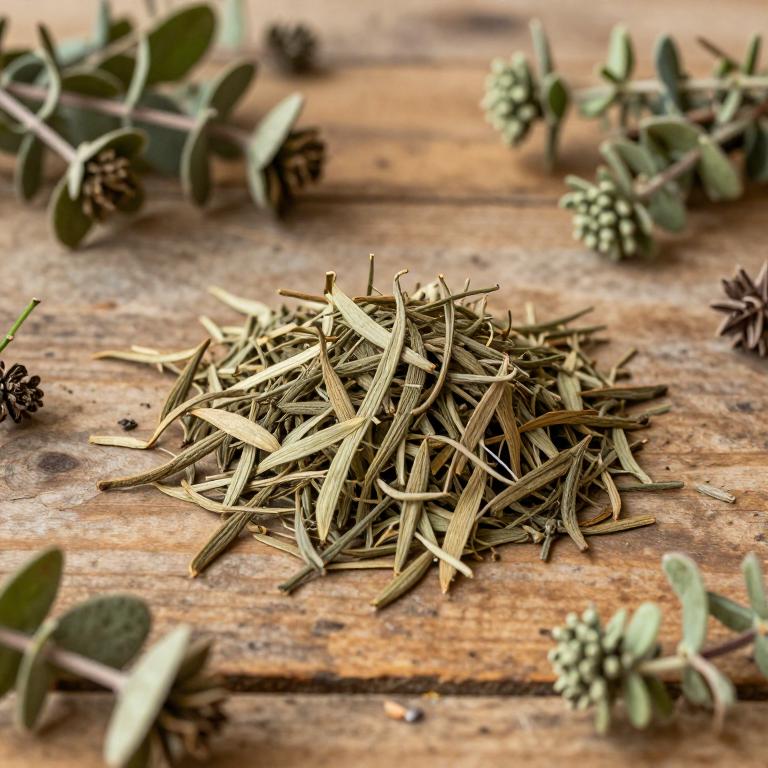
Names and Synonyms
Scientific Names
Accepted name
Casearia sylvestris var. linguaSynonyms
- Casearia lingua
- Casearia carpinifolia
Sources: Wikidata
Taxonomical Classification
This plant belongs to the kingdom Plantae and the phylum Streptophyta, falling within the class Equisetopsida and subclass Magnoliidae. It is classified under the order Malpighiales in the family Salicaceae. Specifically, the medicinal variety lingua is a member of the genus Casearia.
| Rank | Classification |
|---|---|
| Kingdom | Plantae |
| Phylum | Streptophyta |
| Class | Equisetopsida |
| Subclass | Magnoliidae |
| Order | Malpighiales |
| Family | Salicaceae |
| Genus | Casearia |
Sources: The World Checklist of Vascular Plants (WCVP)
Distribution
This plant exhibits a specific geographical distribution primarily concentrated within the northern regions of South America. It can be found throughout the territories of French Guiana, Guyana, and Suriname. Additionally, its range extends into the country of Venezuela. Moving toward the western part of the continent, the species is also documented in Bolivia. Together, these locations define the natural habitat where this medicinal variety grows.
| Region | Area |
|---|---|
| Northern South America | French Guiana |
| Northern South America | Guyana |
| Northern South America | Suriname |
| Northern South America | Venezuela |
| Western South America | Bolivia |
| Western South America | Colombia |
| Brazil | Brazil West-Central |
| Brazil | Brazil Northeast |
| Brazil | Brazil Southeast |
| Brazil | Brazil North |
Sources: The World Checklist of Vascular Plants (WCVP)
Plant Parts
Casearia sylvestris var. lingua has 1 reported plant parts identified across 1 scientific publications and several other databases that are studied for medicinal purposes. The most consistently reported plant part include stem.
| Plant part | Supporting sources | Consensus |
|---|---|---|
| Stem | 1 supporting sources | ★☆☆☆☆ |
Stem
- Journal of ethnopharmacology
Chemicals
Casearia sylvestris var. lingua has 2 reported phytochemicals identified across 1 scientific publications and several other databases. The most consistently reported chemicals include Narcissin, nitric oxide.
| Chemical | Supporting sources | Consensus |
|---|---|---|
| Narcissin | 1 supporting sources | ★☆☆☆☆ |
| nitric oxide | 1 supporting sources | ★☆☆☆☆ |
Narcissin
- Planta medica
nitric oxide
- Journal of ethnopharmacology
Activities
Casearia sylvestris var. lingua has 2 reported activities identified across 1 scientific publications and several other databases. The most consistently reported activities include Analgesic, Antiprotozoal.
| Activity | Supporting sources | Consensus |
|---|---|---|
| Analgesic | 1 supporting sources | ★☆☆☆☆ |
| Antiprotozoal | 1 supporting sources | ★☆☆☆☆ |
Analgesic
- Journal of ethnopharmacology
Antiprotozoal
- Memorias do Instituto Oswaldo Cruz
Conditions
Casearia sylvestris var. lingua has 1 reported investigations on conditions identified across 1 scientific publications and several other databases. The most consistently reported conditions include Leishmania donovani.
| Condition | Supporting sources | Consensus |
|---|---|---|
| Leishmania donovani | 1 supporting sources | ★☆☆☆☆ |
Leishmania donovani
- Memorias do Instituto Oswaldo Cruz
Preparations
Casearia sylvestris var. lingua has 1 reported preparations identified across 1 scientific publications and several other databases. The most consistently reported preparations include extracts.
| Preparation | Supporting sources | Consensus |
|---|---|---|
| Extracts | 2 supporting sources | ★☆☆☆☆ |
Extracts
- Memorias do Instituto Oswaldo Cruz
- Journal of ethnopharmacology