Casearia suaveolens
Casearia suaveolens · Accepted scientific name
Scientific literature: Very Sparse (0 studies) · ★☆☆☆☆
Casearia suaveolens is a botanical species that has garnered significant attention for its potential therapeutic applications in modern medicine. Recent studies have focused on the bioactive properties found within its leaves and stems. Researchers are specifically investigating the efficacy of extracts obtained from these plant parts against Squamous Cell Carcinoma. By analyzing these natural compounds, scientists aim to identify novel pathways for inhibiting tumor progression. This exploration highlights the importance of utilizing Casearia suaveolens as a source for developing targeted anticancer treatments.
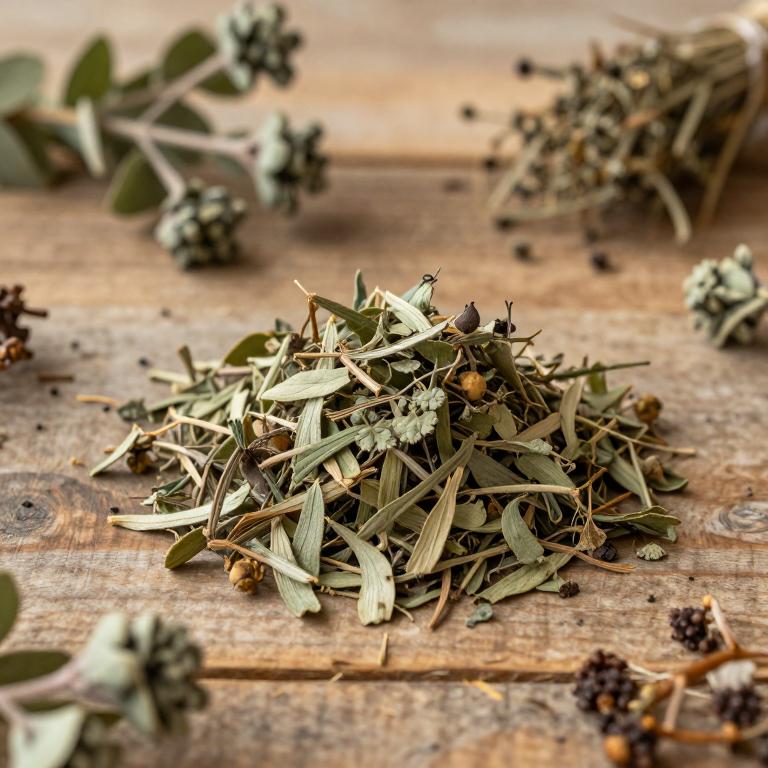
- Synonyms
- Guidonia Calophylla · Guidonia Suaveolens · 4 more
- Common names
- Not available
- Family
- Salicaceae
- Distribution
- Not available
- Plant Parts
- Leaf · Stem
Classification
Synonyms
Casearia suaveolens is a botanical species characterized by a complex web of taxonomic synonyms. This plant has been identified in various scientific records under the name Casinga suaveolens. It is also frequently referred to by its former designations, including Guidonia calophylla and Guidonia suaveolens. Furthermore, literature may list the species as Laetia calophylla or Laetia suaveolens depending on the classification used. Understanding these overlapping names is essential for accurate identification and study within the field of botany.
Sources: The World Checklist of Vascular Plants (WCVP)
Taxonomy
Casearia suaveolens is a fascinating botanical specimen that belongs to the expansive kingdom Plantae. Within this vast realm, the plant is classified under the class Equisetopsida. It further finds its place in the order Malpighiales, showcasing its evolutionary connections. As a member of the genus Casearia, it exhibits specific morphological traits unique to its lineage. Finally, this species is nested within the family Salicaceae, completing its complex taxonomic identity.
| Rank | Classification |
|---|---|
| Kingdom | Plantae |
| Phylum | Streptophyta |
| Class | Equisetopsida |
| Subclass | Magnoliidae |
| Order | Malpighiales |
| Family | Salicaceae |
| Genus | Casearia |
Sources: The World Checklist of Vascular Plants (WCVP)
Distribution
Geographic Regions
Casearia suaveolens is a resilient species with an expansive distribution across the diverse landscapes of South America. Its presence is firmly established in Brazil, stretching from the northern reaches down through various southern regions. The plant also flourishes throughout northern territories, including the lush environments of Guyana and Venezuela. Moving westward, its range extends into the heart of the continent, spanning across Colombia and Bolivia. This widespread geographical footprint highlights the plant's ability to adapt to various South American ecosystems.
Sources: The World Checklist of Vascular Plants (WCVP)
Identification
Morphology
Casearia suaveolens is a self-supporting tree characterized by its sturdy growth form. This species typically reaches a maximum height of 15 meters in its natural habitat. Its structural integrity allows it to stand firmly within the forest canopy.
Sources: Global Inventory of Floras and Traits (GIFT)
Biological Activities
Compounds
Conditions
Casearia suaveolens, identified in the study as Laetia suaveolens, demonstrates significant cytotoxic activity against squamous cell carcinoma cells. The research specifically highlights that extracts obtained from the leaves and stems of this plant induce notable toxicity in the KB-ADL#12 cell line. By testing concentrations up to 100 µg/mL, researchers identified its potential to combat this prevalent oral malignancy. This medicinal property contributes to the broader investigation of Brazilian forest biodiversity for novel cancer treatments. Ultimately, the study establishes the effectiveness of this specific plant extract in treating squamous cell carcinoma in an in vitro setting.
Preparations
Casearia suaveolens is prepared as extracts obtained from its leaves and stems. These specific botanical components are utilized to create substances for pharmacological screening. The study focuses on evaluating how these extracts interact with squamous cell carcinoma cells. By using the leaves and stems, researchers can test the cytotoxic potential of the plant. This preparation method allows for the investigation of the plant's medicinal properties in a controlled laboratory setting.
Parts used
Casearia suaveolens, also identified in studies as Laetia suaveolens, holds significant potential in the search for new cancer treatments. Research focusing on Brazilian plant extracts has demonstrated that specific components of this species exhibit cytotoxic effects against oral squamous cell carcinoma. Specifically, the medicinal properties of the plant are found within its leaves and stems. By testing these extracts against the KB-ADL#12 cell line, scientists have identified their ability to induce significant cytotoxicity. These findings highlight the importance of exploring the diverse chemical profiles found in the botanical resources of the Amazon and Atlantic Forests.