Casearia ilicifolia
Casearia ilicifolia · Accepted scientific name
Scientific literature: Very Sparse (4 studies) · ★☆☆☆☆
, scientifically known as Casearia ilicifolia, is a medicinal shrub native to tropical regions. Renowned for its diverse therapeutic properties, this plant is traditionally used to treat inflammation, skin ailments, and digestive issues. Its bioactive compounds offer significant pharmacological potential, making it a subject of interest in ethnobotanical research.
- Family
- Salicaceae
- Native range
- Southern America
- Parts used
- Leaf
- Common names
- Not available
- Scientific synonyms
- Anavinga Ilicifolia · Samyda Ilicifolia · 1 more
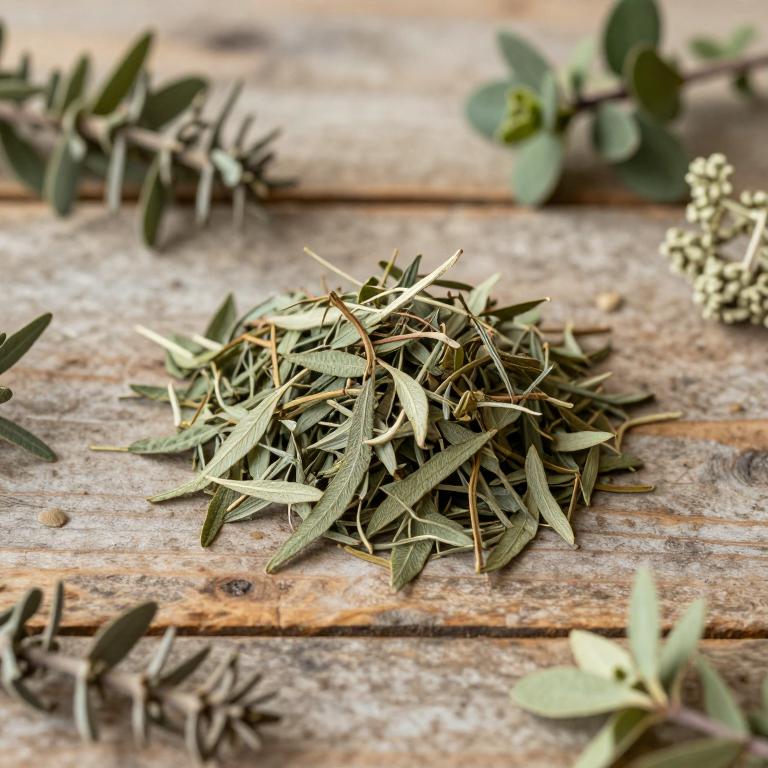
Names and Synonyms
Scientific Names
Accepted name
Casearia ilicifoliaSynonyms
- Anavinga ilicifolia
- Samyda ilicifolia
- Valentinia ilicifolia
Sources: Wikidata, Catalogue of Life
Taxonomical Classification
This plant belongs to the kingdom Plantae and is classified under the phylum Streptophyta within the class Equisetopsida. Following the subclass Magnoliidae, it is ordered under Malpighiales and resides in the family Salicaceae. Finally, it is identified by the genus Casearia, specifically as the species Casearia ilicifolia.
| Rank | Classification |
|---|---|
| Kingdom | Plantae |
| Phylum | Streptophyta |
| Class | Equisetopsida |
| Subclass | Magnoliidae |
| Order | Malpighiales |
| Family | Salicaceae |
| Genus | Casearia |
Sources: The World Checklist of Vascular Plants (WCVP)
Distribution
This plant is primarily found within the Caribbean region. Specifically, its natural habitat includes the island of Hispaniola. Within this area, the species is documented to grow in the Dominican Republic. It also maintains a presence across the territory of Haiti. Therefore, its geographical distribution is concentrated in these two specific Caribbean nations.
| Region | Area |
|---|---|
| Caribbean | Dominican Republic |
| Caribbean | Haiti |
Sources: The World Checklist of Vascular Plants (WCVP)
Botanical Identification
Morphology
The morphology of Casearia ilicifolia is characterized by a robust, woody growth habit, distinguishing it as a perennial plant with a permanent, lignified structure. Its architecture typically consists of sturdy stems and branches that exhibit a high degree of woodiness, providing the structural integrity necessary for its development. The leaves are generally arranged in an alternate pattern, often displaying an entire margin and a shape that can range from elliptical to lanceolate, sometimes mimicking the holly-like appearance suggested by its specific epithet. The bark is typically smooth to slightly fissured depending on the age of the specimen, and the reproductive structures consist of small, inconspicuous flowers that eventually give rise to fleshy fruits, which are characteristic of the Salicaceae family.
- Woodiness :
- woody
Sources: Global Inventory of Floras and Traits (GIFT)
Plant Parts
Casearia ilicifolia has 1 reported plant parts identified across 1 scientific publications and several other databases that are studied for medicinal purposes. The most consistently reported plant part include leaf.
| Plant part | Supporting sources | Consensus |
|---|---|---|
| Leaf | 1 supporting sources | ★☆☆☆☆ |
Leaf
- Journal of ethnopharmacology
Chemicals
Casearia ilicifolia has 3 reported phytochemicals identified across 1 scientific publications and several other databases. The most consistently reported chemicals include Flavonoids, Sterols, Triterpenes.
| Chemical | Supporting sources | Consensus |
|---|---|---|
| Flavonoids | 1 supporting sources | ★☆☆☆☆ |
| Sterols | 1 supporting sources | ★☆☆☆☆ |
| Triterpenes | 1 supporting sources | ★☆☆☆☆ |
Flavonoids
- Journal of ethnopharmacology
Sterols
- Journal of ethnopharmacology
Triterpenes
- Journal of ethnopharmacology