Casearia capitellata
Casearia capitellata · Accepted scientific name
Scientific literature: Very Sparse (2 studies) · ★☆☆☆☆
, scientifically known as Casearia capitellaata, is a medicinal plant valued for its diverse therapeutic properties. Native to specific tropical regions, it is traditionally utilized in folk medicine to treat various ailments. Research into its bioactive compounds suggests significant potential for developing new treatments for inflammatory and infectious conditions.
- Family
- Not available
- Native range
- Asia-Tropical
- Parts used
- Leaf
- Common names
- Not available
- Scientific synonyms
- Not available
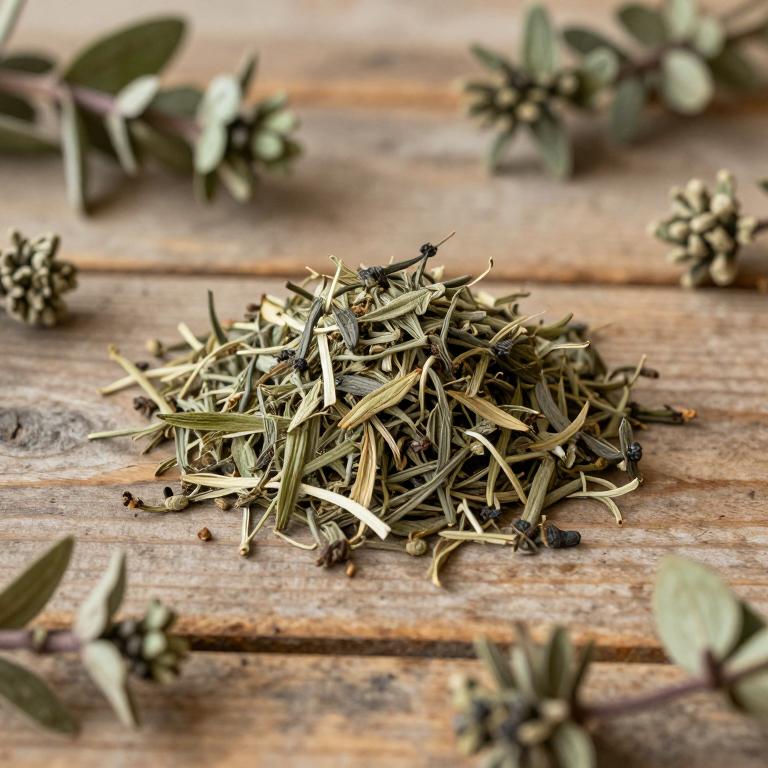
Names and Synonyms
Scientific Names
Accepted name
Casearia capitellataDistribution
This plant exhibits a wide geographical distribution across several key regions in Southeast Asia. Within the Indo-China region, its presence has been documented specifically in Thailand. Moving into the Malesia region, it can be found spanning across the island of Borneo. The species also inhabits the Malay Peninsula, which is referred to as Malaya in its distribution records. Finally, its range extends to the island of Sumatera within the same Malesian territory.
| Region | Area |
|---|---|
| Indo-China | Thailand |
| Malesia | Borneo |
| Malesia | Malaya |
| Malesia | Sumatera |
Sources: The World Checklist of Vascular Plants (WCVP)
Botanical Identification
Morphology
The morphology of Casearia capitellata is characterized by its growth form as a woody tree, reaching a maximum plant height of approximately 4 meters. It functions as a terrestrial organism rather than an epiphyte, maintaining a self-supporting structure. While it exhibits characteristics that can align with self-supporting climbing habits, such as those seen in lianas or vines, it primarily presents as a robust, woody perennial.
- Climber :
- self-supporting
- Epiphyte :
- terrestrial
- Growth form :
- tree
- Plant height max:
- 4 m
- Woodiness :
- woody
Sources: Global Inventory of Floras and Traits (GIFT)
Plant Parts
Casearia capitellata has 1 reported plant parts identified across 1 scientific publications and several other databases that are studied for medicinal purposes. The most consistently reported plant part include leaf.
| Plant part | Supporting sources | Consensus |
|---|---|---|
| Leaf | 1 supporting sources | ★☆☆☆☆ |
Leaf
- Molecules (Basel, Switzerland)
Conditions
Casearia capitellata has 1 reported investigations on conditions identified across 1 scientific publications and several other databases. The most consistently reported conditions include lung cancer.
| Condition | Supporting sources | Consensus |
|---|---|---|
| Lung cancer | 1 supporting sources | ★☆☆☆☆ |
Lung cancer
- Molecules (Basel, Switzerland)