Carthamus
Carthamus · Accepted scientific name
Scientific literature: Very Sparse (0 studies) · ★☆☆☆☆
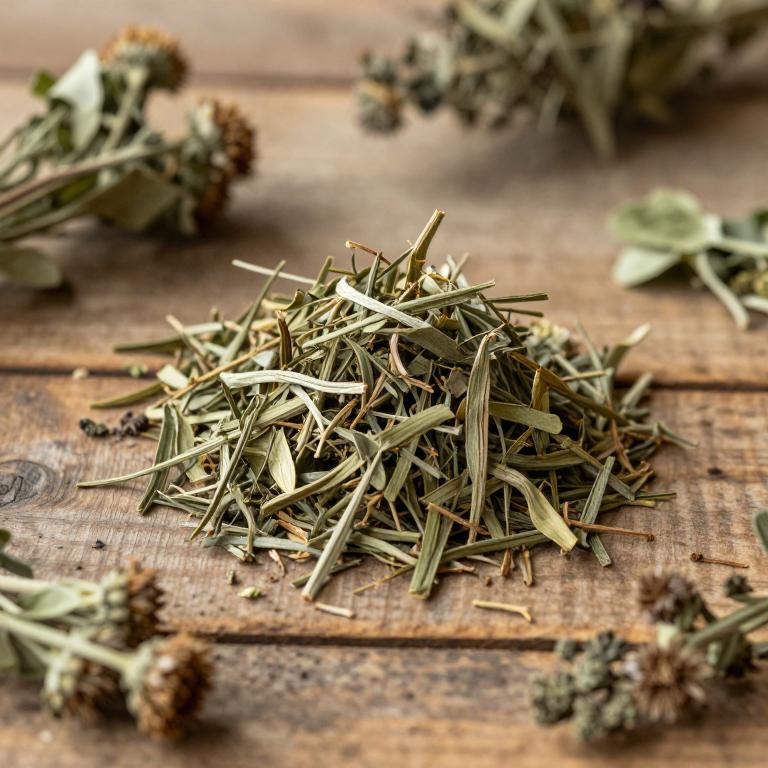
Carthamus, commonly known as safflower, is a versatile plant that has been utilized in traditional medicine for centuries. Modern scientific research suggests that its bioactive compounds may play a significant role in managing cardiovascular diseases. By helping to regulate cholesterol levels and improve lipid profiles, this plant offers potential benefits for heart health. Its unique properties make it a subject of great interest for those looking to support their circulatory system naturally. Incorporating studies of Carthamus into holistic wellness approaches can provide valuable insights into long-term cardiovascular protection.
- Synonyms
- Durandoa · Hohenwartha · 3 more
- Common names
- Not available
- Family
- Asteraceae
- Distribution
- Not available
- Plant Parts
- Not available
Classification
Common Names
Carthamus is a versatile plant known by a diverse array of regional and traditional names. It is frequently referred to by the common names Carthame and Cártamo in various contexts. Many enthusiasts also recognize the species as the Distaff Thistle, or sometimes more broadly as Distaff Thistles and Safflowers. In certain linguistic traditions, it is even identified as Dygminas. This variety of nomenclature highlights the plant's widespread cultural and botanical significance.
Sources: Catalogue of Life (COL)
Synonyms
Carthamus is a complex genus that has historically been categorized under several different botanical names. Throughout various taxonomic studies, it has been identified by synonyms such as Carthamoides and Durandoa. Researchers have also previously referred to the plant using the names Hohenwartha and Kentrophyllum. Additionally, the nomenclature includes the synonym Lamottea, reflecting the evolving nature of botanical classification. Understanding these various relationships is essential for anyone studying the diverse lineage of this genus.
Sources: The World Checklist of Vascular Plants (WCVP)
Taxonomy
Carthamus belongs to the expansive kingdom Plantae, encompassing all known forms of plant life. Within this kingdom, it is classified under the class Equisetopsida, representing a diverse group of flowering plants. It further belongs to the order Asterales, a lineage known for its distinctive floral structures. As a member of the Asteraceae family, it shares common traits with many well-known composite flowers. Finally, the plant is defined by its specific genus, Carthamus, which distinguishes its unique botanical identity.
| Rank | Classification |
|---|---|
| Kingdom | Plantae |
| Phylum | Streptophyta |
| Class | Equisetopsida |
| Subclass | Magnoliidae |
| Order | Asterales |
| Family | Asteraceae |
| Genus | Carthamus |
Sources: The World Checklist of Vascular Plants (WCVP)
Distribution
Geographic Regions
Carthamus exhibits a diverse geographical presence across several distinct regions of the African continent. Its range extends through East Tropical Africa, with notable populations found in Kenya. The genus also reaches into Northeast Tropical Africa, specifically within the territories of Ethiopia and Eritrea. Beyond the mainland, these plants are distributed across the Macaronesian islands, including both the Canary Islands and Madeira. This widespread distribution highlights the plant's ability to thrive in varied ecological settings.
Sources: The World Checklist of Vascular Plants (WCVP)
Identification
Biological Activities
Compounds
Conditions
Carthamus is recognized as a representative herb used globally for the prevention and treatment of various cardiovascular diseases. Modern phytochemical studies continue to reveal the unique pharmacological activities of the medicinal compounds found within this plant. Researchers are currently focusing on the drug metabolism and pharmacokinetic profiles to better understand how these compounds function in the body. Investigating these processes is essential for translating laboratory findings into effective clinical applications for cardiovascular health. Through systems pharmacology, the potential of Carthamus can be further optimized for drug discovery and development.