hornbeam
Carpinus · Accepted scientific name
Scientific literature: Very Sparse (2 studies) · ★☆☆☆☆
Hornbeam, scientifically known as Carpinus, is a versatile genus of deciduous trees valued for their resilience and hard wood. Beyond their ecological role, certain species offer medicinal potential, traditionally used to treat digestive issues and skin ailments. Understanding their botanical properties reveals their significance in both nature and herbalism.
- Family
- Betulaceae
- Native range
- Europe
- Parts used
- Leaf
- Common names
- Hornbeam · Hornbeams
- Scientific synonyms
- Distegocarpus
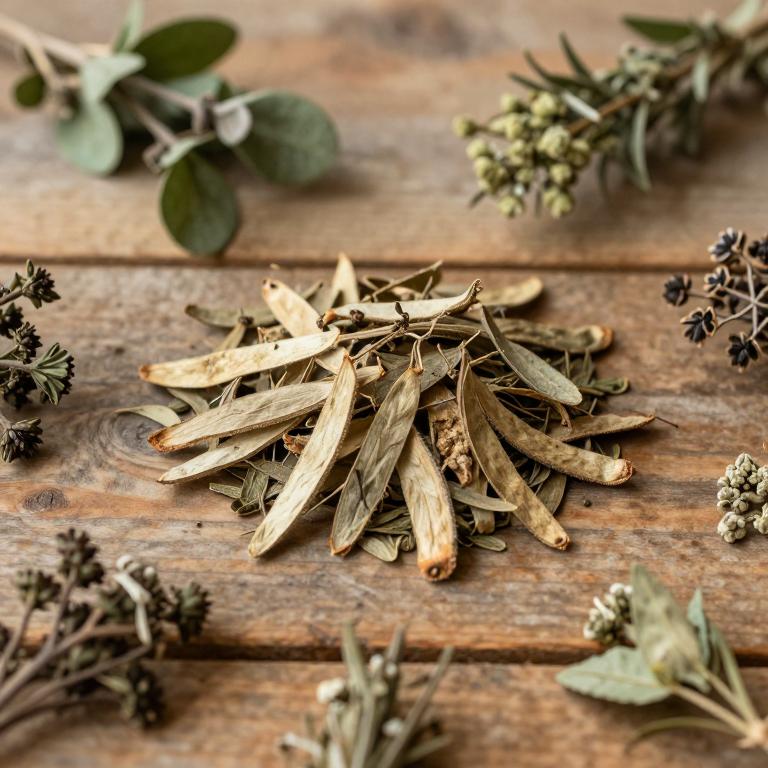
Names and Synonyms
Common Names
- hornbeam
- hornbeams
Scientific Names
Accepted name
CarpinusSynonyms
- Distegocarpus
Regional and Traditional Names
Spanish:
- Distegocarpus
- Carpe
- carpes
- Carpe
German:
- Hainbuchen
- Hainbuchen
- Weißbuchen
French:
- charme
- Charme
- Charme
Sources: Wikidata, Catalogue of Life
Taxonomical Classification
This plant belongs to the kingdom Plantae and the phylum Streptophyta, falling under the class Equisetopsida and subclass Magnoliidae. Within the order Fagales and the family Betulaceae, it is classified under the genus Carpinus.
| Rank | Classification |
|---|---|
| Kingdom | Plantae |
| Phylum | Streptophyta |
| Class | Equisetopsida |
| Subclass | Magnoliidae |
| Order | Fagales |
| Family | Betulaceae |
| Genus | Carpinus |
Sources: The World Checklist of Vascular Plants (WCVP)
Distribution
This plant exhibits a broad geographical presence across several regions of the European continent. In Northern Europe, its range extends through the landscapes of Denmark and Great Britain. It can also be found inhabiting the natural environments of Norway and Sweden. Moving toward the center of the continent, the species is present within Middle Europe. Specifically, its distribution includes the mountainous and forested areas of Austria.
| Region | Area |
|---|---|
| Northern Europe | Denmark |
| Northern Europe | Great Britain |
| Northern Europe | Norway |
| Northern Europe | Sweden |
| Middle Europe | Austria |
| Middle Europe | Belgium |
| Middle Europe | Czechia-Slovakia |
| Middle Europe | Germany |
| Middle Europe | Hungary |
| Middle Europe | Netherlands |
Sources: The World Checklist of Vascular Plants (WCVP)
Plant Parts
Carpinus has 1 reported plant parts identified across 1 scientific publications and several other databases that are studied for medicinal purposes. The most consistently reported plant part include leaf.
| Plant part | Supporting sources | Consensus |
|---|---|---|
| Leaf | 1 supporting sources | ★☆☆☆☆ |
Leaf
- Yakugaku zasshi : Journal of the Pharmaceutical Society of Japan
Chemicals
Carpinus has 1 reported phytochemicals identified across 1 scientific publications and several other databases. The most consistently reported chemicals include Ellagitannins.
| Chemical | Supporting sources | Consensus |
|---|---|---|
| Ellagitannins | 1 supporting sources | ★☆☆☆☆ |
Ellagitannins
- Yakugaku zasshi : Journal of the Pharmaceutical Society of Japan