Carpesium
Carpesium · Accepted scientific name
Scientific literature: Very Sparse (1 studies) · ★☆☆☆☆
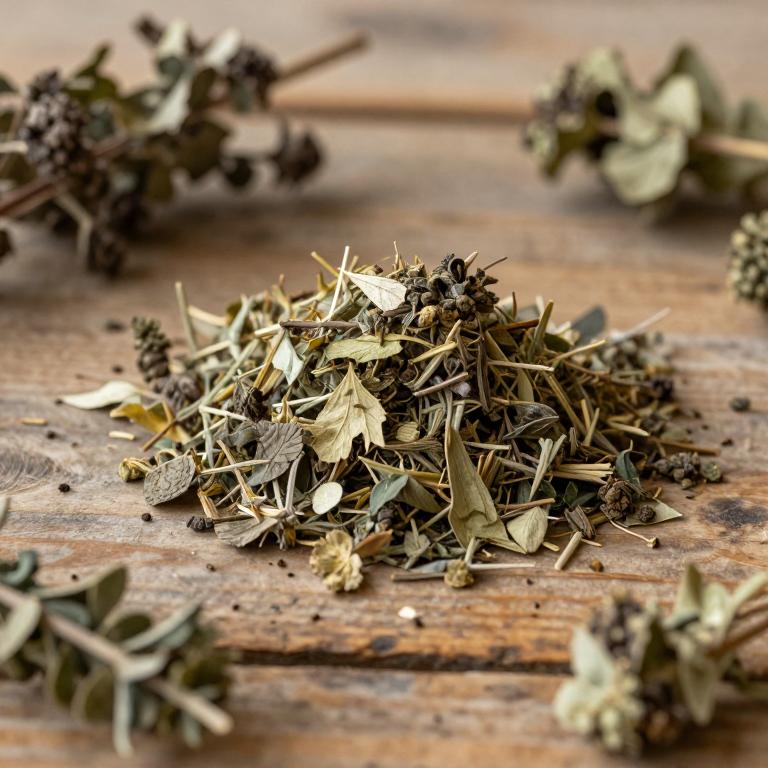
Carpesium is a genus of flowering plants that holds significant interest within the field of ethnobotany. Many species within this group are recognized for their diverse biological properties and traditional uses. Notably, certain varieties are utilized for their potent analgesic activities to help manage pain. These medicinal qualities make the plant a subject of study for those exploring natural therapeutic alternatives. Understanding its chemical composition provides valuable insights into its potential as a botanical remedy.
- Synonyms
- Not available
- Common names
- Not available
- Family
- Not available
- Distribution
- Not available
- Plant Parts
- Not available
Classification
Common Names
Carpesium is a versatile plant recognized by a wide variety of regional and linguistic names. In some areas, it is commonly referred to as Karpezium, though it is also frequently identified as Kragenblume or the plural Kragenblumen. Depending on the local dialect, you might encounter it under the name Vratnjak. Additionally, it is known in certain regions as dvojzubec. These diverse monikers reflect the plant's widespread presence across different cultures and landscapes.
Sources: Catalogue of Life (COL)
Distribution
Geographic Regions
Carpesium exhibits a broad geographic presence across several key regions of the Asia-Temperate zone. Its range extends significantly through the Caucasus and the Transcaucasus, establishing a foothold in these mountainous terrains. Within China, the plant is widely distributed, spanning from the North-Central provinces to the South-Central areas. It further expands its reach into the Southeast regions of China, demonstrating remarkable adaptability to various climates. This widespread distribution highlights the plant's ability to thrive across diverse Asian landscapes.
Sources: The World Checklist of Vascular Plants (WCVP)
Identification
Biological Activities
Carpesium species have long been recognized in traditional medicine for their diverse therapeutic properties. Beyond their known uses, members of this genus exhibit significant analgesic activity to help manage pain. Recent scientific investigations have further expanded our understanding of these plants through the study of their chemical constituents. For instance, research into Carpesium cernum has successfully identified sesquiterpene lactones with promising antiplasmodial effects. These findings highlight the significant medicinal potential held within the genus for treating various ailments.