Caroxylon imbricatum var. imbricatum
Caroxylon imbricatum var. imbricatum · Accepted scientific name
Scientific literature: Very Sparse (0 studies) · ★☆☆☆☆
Caroxylon imbricatum var. imbricatum is a distinctive plant species that has garnered significant interest in ethnobotanical research. Various studies have focused on its chemical profile, particularly through the use of ethanol whole plant extracts. These preparations are often utilized to isolate bioactive compounds that may offer therapeutic potential. By employing ethanol extracts, researchers can effectively capture a broad spectrum of the plant's secondary metabolites. Understanding these specific preparations is essential for unlocking the full medicinal value of this variety.
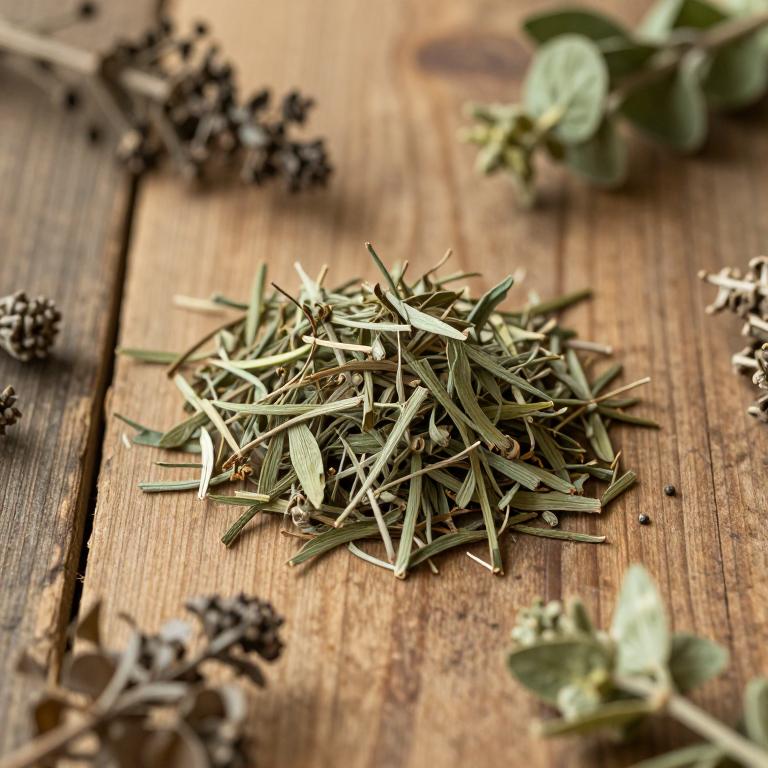
- Synonyms
- Salsola Baryosma · Salsola Marosteum · 6 more
- Common names
- Not available
- Family
- Amaranthaceae
- Distribution
- Not available
- Plant Parts
- Not available
Classification
Synonyms
Caroxylon imbricatum var. imbricatum is a plant species that is known by several different botanical synonyms. Taxonomists have historically referred to this variety under names such as Caroxylon foetidum and Chenopodium baryosmon. It is also documented in scientific literature as Nitrosalsola baryosma and Salsola baryosma. Furthermore, the plant has been associated with the name Salsola foetida var. glabrescens in various classifications. Understanding these diverse nomenclatures is essential for accurately identifying the species within its complex botanical history.
Sources: The World Checklist of Vascular Plants (WCVP)
Taxonomy
Caroxylon imbricatum var. imbricatum is a distinctive member of the kingdom Plantae. Within this vast biological kingdom, the plant is classified under the class Equisetopsida. It belongs to the specific order Caryophyllales, showcasing its unique evolutionary lineage. Furthermore, this variety is nested within the genus Caroxylon. Ultimately, it is recognized as a specialized representative of the Amaranthaceae family.
| Rank | Classification |
|---|---|
| Kingdom | Plantae |
| Phylum | Streptophyta |
| Class | Equisetopsida |
| Subclass | Magnoliidae |
| Order | Caryophyllales |
| Family | Amaranthaceae |
| Genus | Caroxylon |
Sources: The World Checklist of Vascular Plants (WCVP)
Distribution
Geographic Regions
Caroxylon imbricatum var. imbricatum is a resilient plant species primarily distributed throughout the diverse landscapes of Northeast Tropical Africa. Its natural range extends across several key nations, including Chad and Djibouti, where it adapts to specific regional climates. The variety is also commonly found throughout the rugged terrains of Eritrea and Somalia. Furthermore, its presence is well-documented within the territories of Sudan and South Sudan. This widespread distribution highlights the plant's ability to thrive across various ecological niches within the African continent.
Sources: The World Checklist of Vascular Plants (WCVP)
Identification
Biological Activities
Compounds
Conditions
Caroxylon imbricatum var. imbricatum does not appear in the provided abstracts regarding cytotoxic activity testing. The research instead focuses on the ethanol extracts of Sesuvium verrucosum, Salsola baryosma, and Zygophyllum quatarense. Among these specific halophytic plants from Bahrain, only Sesuvium verrucosum demonstrated significant cytotoxic activity. This activity was measured using the brine shrimp bioassay method with an LC50 of 102.7 microg/mL. Consequently, no data is available in the text to support any relationship between Caroxylon imbricatum var. imbricatum and cytotoxic treatment.
Preparations
Caroxylon imbricatum var. imbricatum is prepared as ethanol whole plant extracts according to the specified relationships. This particular variety is also processed as ethanol extracts for various applications. These preparation methods highlight how the plant is utilized in scientific studies. Both ethanol whole plant extracts and standard ethanol extracts are identified as relevant forms. Consequently, the plant is defined by these specific chemical preparation processes.