Carlina
Carlina · Accepted scientific name
Scientific literature: Very Sparse (0 studies) · ★☆☆☆☆
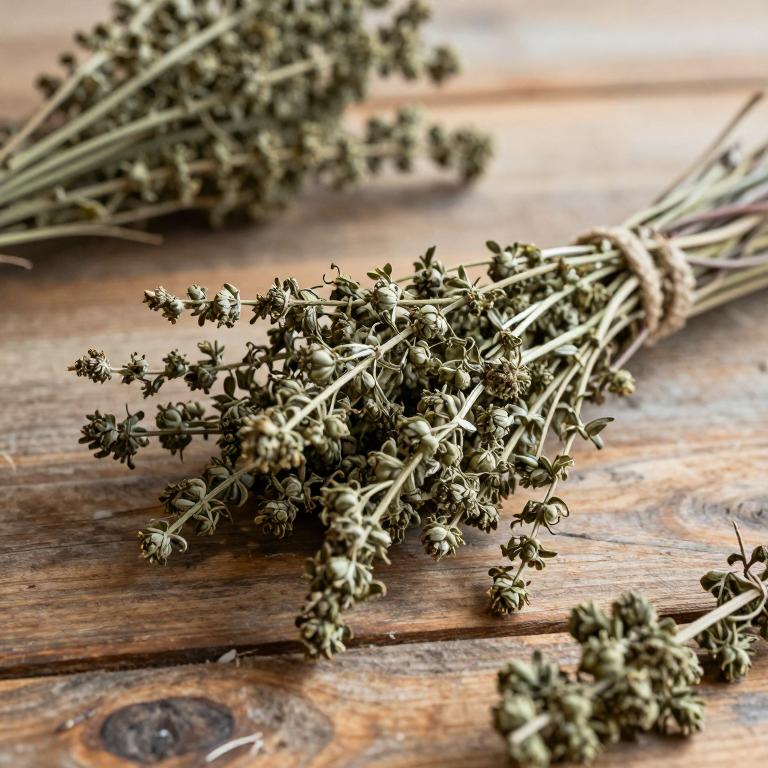
Carlina is a fascinating genus of plants known for its striking, thistle-like appearance and diverse biological profile. These resilient species are chemically rich, containing essential components such as fatty acids and flavonoids. They are particularly notable for their high concentration of inulin, a valuable prebiotic carbohydrate. Additionally, the presence of triterpenes contributes to their complex medicinal potential. Understanding these chemical properties offers deep insight into the plant's unique ecological and therapeutic value.
- Synonyms
- Carlowizia · Mitina · 2 more
- Common names
- Not available
- Family
- Asteraceae
- Distribution
- Not available
- Plant Parts
- Not available
Classification
Common Names
Carlina is a fascinating genus of plants known by several distinct names across different regions and languages. In English-speaking areas, it is most frequently referred to as Carline Thistles or simply Carline. Some botanical circles also associate it with the common name Bakketidsel-slægten. In Poland, the plant holds a special place in local culture under the name Dziewięćsił. Regardless of which moniker is used, these thistles remain a striking presence in their natural habitats.
Sources: Catalogue of Life (COL)
Synonyms
Carlina is a botanical genus that has been subject to various taxonomic reclassifications over time. Throughout its scientific history, the plant has been identified by several different synonym names. These alternative designations include the terms Carlowizia and Chromatolepis. Additionally, researchers have previously referred to members of this group as Lyrolepis or Mitina. Understanding these synonyms is essential for accurately tracking the evolutionary lineage of the genus.
Sources: The World Checklist of Vascular Plants (WCVP)
Taxonomy
Carlina belongs to the diverse kingdom Plantae, representing a unique branch of the natural world. Within this vast kingdom, the plant is classified under the class Equisetopsida. It further descends through the order Asterales, showcasing its specific evolutionary lineage. As a member of the Asteraceae family, it shares structural characteristics with many well-known flowering plants. Ultimately, its identity is defined by its placement within the specific genus Carlina.
| Rank | Classification |
|---|---|
| Kingdom | Plantae |
| Phylum | Streptophyta |
| Class | Equisetopsida |
| Subclass | Magnoliidae |
| Order | Asterales |
| Family | Asteraceae |
| Genus | Carlina |
Sources: The World Checklist of Vascular Plants (WCVP)
Distribution
Geographic Regions
Carlina is a plant with a wide-reaching distribution that spans across much of Africa and the Macaronesia region. Its presence is particularly notable within the Canary Islands and the lush landscapes of Madeira. Within the African continent, the species is well-established throughout Northern Africa, stretching across diverse territories. This includes specific populations found in Algeria, Egypt, and Libya. Consequently, these various geographical connections highlight the plant's significant ecological footprint across the Mediterranean and subtropical zones.
Sources: The World Checklist of Vascular Plants (WCVP)