sedge
Carex · Accepted scientific name
Scientific literature: Very Sparse (7 studies) · ★☆☆☆☆
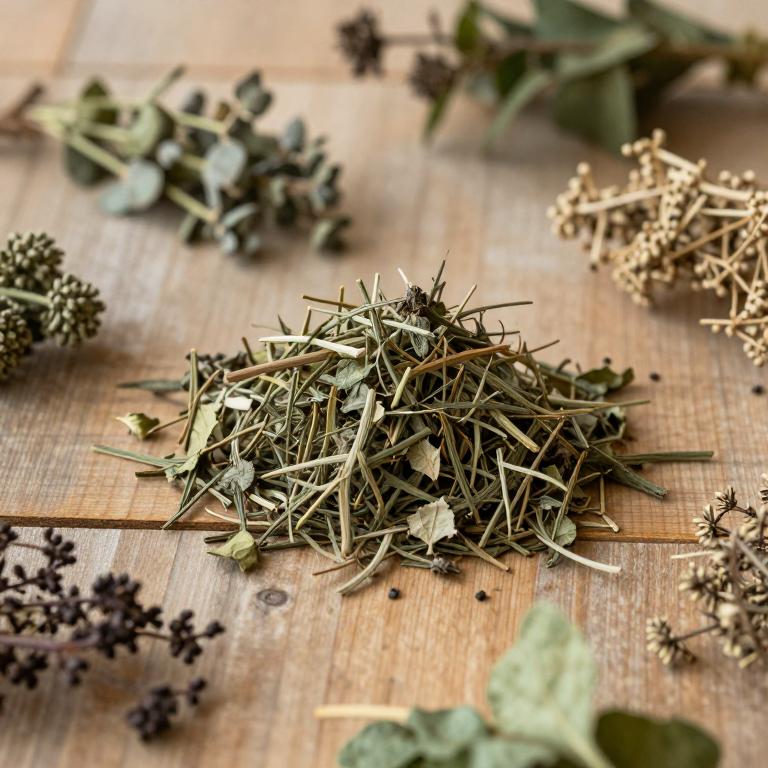
Sedge, scientifically known as Carex, is a diverse genus of perennial plants essential to wetland ecosystems. While primarily valued for soil stabilization and habitat provision, certain species possess traditional medicinal properties. Used in various cultures to manage inflammation and digestive issues, these versatile plants remain vital to ecological health.
Names and Synonyms
Common Names
- sedge
- true sedges
- Sedges
Scientific Names
Accepted name
CarexSynonyms
- Dornera
- Manochlaenia
- Edritria
- Schelhammeria
- Caricella
- Neskiza
- Archaeocarex
- Onkerma
- Vesicarex
- Diplocarex
- Diemisa
- Vignea
- Blysmocarex
- Osculisa
- Deweya
- Vignidula
- Holmia
- Kobria
- Leucoglochin
- Limonaetes
- Loncoperis
- Leptostachys
- Desmiograstis
- Thysanocarex
- Lamprochlaenia
- Agistron
- Homalostachys
- Trasus
- Elyna
- Proteocarpus
- Heleonastes
- Facolos
- Ptacoseia
- Kobresia
- Polyglochin
- Phaeolorum
- Uncinia
- Pseudocarex
- Psyllophora
- Olamblis
- Olotrema
- Kolerma
- Kuekenthalia
- Leptovignea
- Maukschia
- Limivasculum
- Loxanisa
- Heuffelia
- Ulva
- Hemicarex
- Itheta
- Vignantha
- Temnemis
- Schoenoxiphium
- Rhaptocalymma
- Chordorrhiza
- Caricina
- Anithista
- Bitteria
- Baeochortus
- Ammorrhiza
- Genersichia
- Forexeta
- Drymeia
- Echinochlaenia
- Dapedostachys
- Coleachyron
- Loxotrema
- Cyperoides
- Caricinella
- Meltrema
- Cryptoglochin
- Cymophyllus
- Chionanthula
Regional and Traditional Names
Spanish:
- Diplocarex
- Vesicarex
- cárices
German:
- Seggen
- Schuppenried
- Segge
- Schuppenseggen
- Seggen
French:
- Caricaie
- Laîche
- Cariçaie
- Laiche
- Cariçaies
- Caricaies
- Laîches
Sources: Wikidata, Catalogue of Life
Taxonomical Classification
This plant belongs to the kingdom Plantae and is classified under the phylum Streptophyta and class Equisetopsida. Within the subclass Magnoliidae and order Poales, it is further categorized into the family Cyperaceae. Ultimately, it is identified by the genus Carex.
| Rank | Classification |
|---|---|
| Kingdom | Plantae |
| Phylum | Streptophyta |
| Class | Equisetopsida |
| Subclass | Magnoliidae |
| Order | Poales |
| Family | Cyperaceae |
| Genus | Carex |
Sources: The World Checklist of Vascular Plants (WCVP)
Distribution
This plant exhibits a broad distribution across the northern regions of Europe. In Northern Europe, it can be found growing within the borders of Denmark. Its presence is also documented throughout the landscapes of Finland. Additionally, the species inhabits the island territories of Føroyar and Iceland. Finally, this medicinal plant is widely distributed across Great Britain.
| Region | Area |
|---|---|
| Northern Europe | Denmark |
| Northern Europe | Finland |
| Northern Europe | Føroyar |
| Northern Europe | Great Britain |
| Northern Europe | Iceland |
| Northern Europe | Ireland |
| Northern Europe | Norway |
| Northern Europe | Svalbard |
| Northern Europe | Sweden |
| Middle Europe | Austria |
Sources: The World Checklist of Vascular Plants (WCVP)
Chemicals
Carex has 1 reported phytochemicals identified across 0 scientific publications and several other databases. The most consistently reported chemicals include Orientin.
| Chemical | Supporting sources | Consensus |
|---|---|---|
| Orientin | 1 supporting sources | ★☆☆☆☆ |
Orientin
- Natural product research
Activities
Carex has 5 reported activities identified across 0 scientific publications and several other databases. The most consistently reported activities include Antiallergic, Anticancer, Antioxidant, Cardioprotective, Neuroprotective.
| Activity | Supporting sources | Consensus |
|---|---|---|
| Antiallergic | 1 supporting sources | ★☆☆☆☆ |
| Anticancer | 1 supporting sources | ★☆☆☆☆ |
| Antioxidant | 1 supporting sources | ★☆☆☆☆ |
| Cardioprotective | 1 supporting sources | ★☆☆☆☆ |
| Neuroprotective | 1 supporting sources | ★☆☆☆☆ |
Antiallergic
- Natural product research
Anticancer
- Natural product research
Antioxidant
- Natural product research
Cardioprotective
- Natural product research
Neuroprotective
- Natural product research
Preparations
Carex has 2 reported preparations identified across 0 scientific publications and several other databases. The most consistently reported preparations include Dried Ulva powder, plant extracts.
| Preparation | Supporting sources | Consensus |
|---|---|---|
| Dried ulva powder | 1 supporting sources | ★☆☆☆☆ |
| Plant extracts | 1 supporting sources | ★☆☆☆☆ |
Dried ulva powder
- Marine biotechnology (New York, N.Y.)
Plant extracts
- Journal of agricultural and food chemistry