Caralluma fimbriata
Caralluma fimbriata · Accepted scientific name
Scientific literature: Very Sparse (20 studies) · ★☆☆☆☆
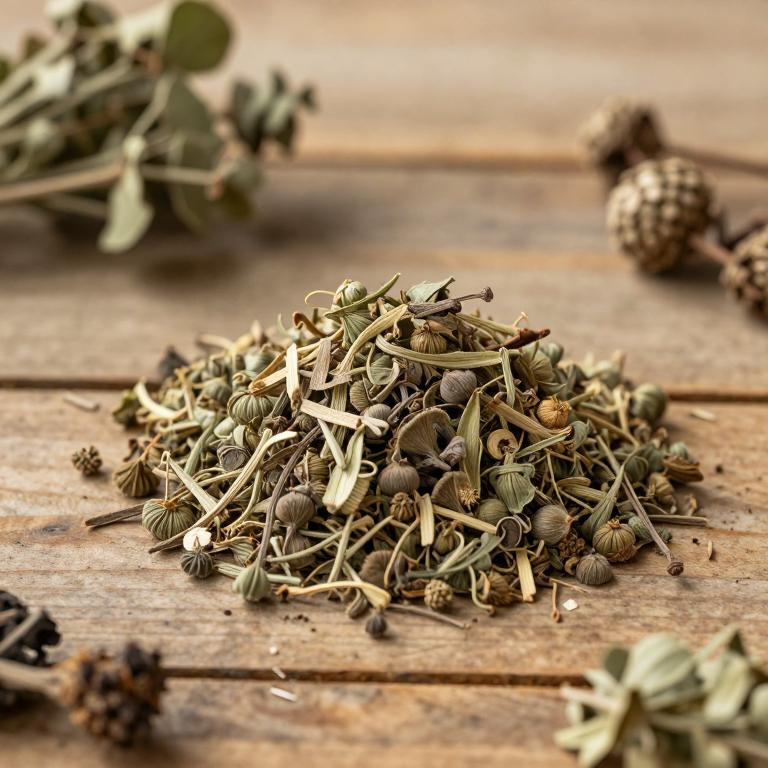
, scientifically known as Caralluma fimbriata, is a succulent plant native to arid regions of India. Renowned in traditional Ayurvedic medicine, it is highly valued for its potential to suppress appetite and aid weight management. Modern research continues to explore its unique bioactive compounds for metabolic health benefits.
- Family
- Apocynaceae
- Native range
- Asia-Tropical
- Parts used
- Leaf
- Common names
- Not available
- Scientific synonyms
- Ceropegia Adscendens Var. Fimbriata · Caralluma Adscendens Var. Fimbriata
Names and Synonyms
Scientific Names
Accepted name
Caralluma fimbriataSynonyms
- Ceropegia adscendens var. fimbriata
- Caralluma adscendens var. fimbriata
Sources: Wikidata
Taxonomical Classification
This plant, Caralluma fimbriata, belongs to the kingdom Plantae and the phylum Streptophyta. It is classified under the class Equisetopsida and the subclass Magnoliidae, falling within the order Gentianales. Ultimately, it is a member of the family Apocynaceae and the genus Caralluma.
| Rank | Classification |
|---|---|
| Kingdom | Plantae |
| Phylum | Streptophyta |
| Class | Equisetopsida |
| Subclass | Magnoliidae |
| Order | Gentianales |
| Family | Apocynaceae |
| Genus | Caralluma |
Sources: The World Checklist of Vascular Plants (WCVP)
Distribution
This plant is distributed across specific regions within the Asian continent. Within the Indian Subcontinent, it can be found growing in India. It is also native to the island nation of Sri Lanka. Moving further east, the species extends into the Indo-China region. Specifically, its range includes the country of Myanmar.
| Region | Area |
|---|---|
| Indian Subcontinent | India |
| Indian Subcontinent | Sri Lanka |
| Indo-China | Myanmar |
Sources: The World Checklist of Vascular Plants (WCVP)
Plant Parts
Caralluma fimbriata has 1 reported plant parts identified across 1 scientific publications and several other databases that are studied for medicinal purposes. The most consistently reported plant part include leaf.
| Plant part | Supporting sources | Consensus |
|---|---|---|
| Leaf | 1 supporting sources | ★☆☆☆☆ |
Leaf
- Oxidative medicine and cellular longevity
Chemicals
Caralluma fimbriata has 3 reported phytochemicals identified across 1 scientific publications and several other databases. The most consistently reported chemicals include Flavonoids, Glycosides, Tannins.
| Chemical | Supporting sources | Consensus |
|---|---|---|
| Flavonoids | 1 supporting sources | ★☆☆☆☆ |
| Glycosides | 1 supporting sources | ★☆☆☆☆ |
| Tannins | 1 supporting sources | ★☆☆☆☆ |
Flavonoids
- Journal of ethnopharmacology
Glycosides
- Journal of ethnopharmacology
Tannins
- Journal of ethnopharmacology
Activities
Caralluma fimbriata has 4 reported activities identified across 1 scientific publications and several other databases. The most consistently reported activities include Anticancer, Antioxidant, Hepatoprotective, Hypolipidemic.
| Activity | Supporting sources | Consensus |
|---|---|---|
| Anticancer | 1 supporting sources | ★☆☆☆☆ |
| Antioxidant | 1 supporting sources | ★☆☆☆☆ |
| Hepatoprotective | 1 supporting sources | ★☆☆☆☆ |
| Hypolipidemic | 1 supporting sources | ★☆☆☆☆ |
Anticancer
- Oxidative medicine and cellular longevity
Antioxidant
- Oxidative medicine and cellular longevity
Hepatoprotective
- Oxidative medicine and cellular longevity
Hypolipidemic
- Oxidative medicine and cellular longevity
Conditions
Caralluma fimbriata has 10 reported investigations on conditions identified across 1 scientific publications and several other databases. The most consistently reported conditions include Metabolic Syndrome, VLDL-cholesterol, appetite, arthritis, cardiovascular diseases.
| Condition | Supporting sources | Consensus |
|---|---|---|
| Metabolic syndrome | 1 supporting sources | ★☆☆☆☆ |
| Vldl-cholesterol | 1 supporting sources | ★☆☆☆☆ |
| Appetite | 1 supporting sources | ★☆☆☆☆ |
| Arthritis | 1 supporting sources | ★☆☆☆☆ |
| Cardiovascular diseases | 1 supporting sources | ★☆☆☆☆ |
| High blood pressure | 1 supporting sources | ★☆☆☆☆ |
| Insulin resistance | 1 supporting sources | ★☆☆☆☆ |
| Metabolic syndrome | 1 supporting sources | ★☆☆☆☆ |
| Obesity | 1 supporting sources | ★☆☆☆☆ |
| Visceral obesity | 1 supporting sources | ★☆☆☆☆ |
Metabolic syndrome
- Oxidative medicine and cellular longevity
Vldl-cholesterol
- Biomedicine & pharmacotherapy = Biomedecine & pharmacotherapie
Appetite
- Phytotherapy research : PTR
Arthritis
- Journal of ethnopharmacology
Cardiovascular diseases
- Oxidative medicine and cellular longevity
High blood pressure
- Oxidative medicine and cellular longevity
Insulin resistance
- Oxidative medicine and cellular longevity
Metabolic syndrome
- Phytotherapy research : PTR
Obesity
- Phytotherapy research : PTR
Visceral obesity
- Oxidative medicine and cellular longevity
Preparations
Caralluma fimbriata has 4 reported preparations identified across 1 scientific publications and several other databases. The most consistently reported preparations include ethanolic extract, hydro-alcoholic extract, hydroalcoholic extract, whole plants.
| Preparation | Supporting sources | Consensus |
|---|---|---|
| Ethanolic extract | 1 supporting sources | ★☆☆☆☆ |
| Hydro-alcoholic extract | 1 supporting sources | ★☆☆☆☆ |
| Hydroalcoholic extract | 1 supporting sources | ★☆☆☆☆ |
| Whole plants | 1 supporting sources | ★☆☆☆☆ |
Ethanolic extract
- Journal of ethnopharmacology
Hydro-alcoholic extract
- Biomedicine & pharmacotherapy = Biomedecine & pharmacotherapie
Hydroalcoholic extract
- Biomedicine & pharmacotherapy = Biomedecine & pharmacotherapie
Whole plants
- Chemistry & biodiversity