Caragana
Caragana · Accepted scientific name
Scientific literature: Very Sparse (0 studies) · ★☆☆☆☆
Caragana is a resilient genus of shrubs that plays a critical role in combating the global threat of desertification. These hardy plants are uniquely capable of stabilizing fragile soils and restoring life to arid landscapes. Through their biological processes, they produce specialized chemicals such as trifolirhizin and ferulic acid. These compounds contribute to the plant's ability to thrive in harsh, nutrient-poor environments. By integrating into damaged ecosystems, Caragana acts as a vital tool for ecological restoration and land management.
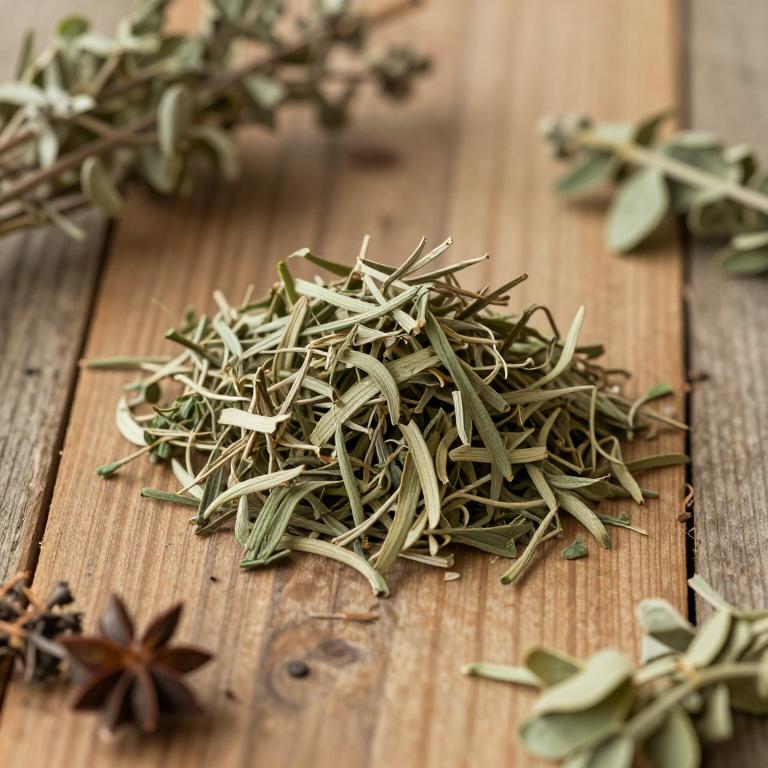
- Synonyms
- Calophaca · Halimodendron
- Common names
- Not available
- Family
- Fabaceae
- Distribution
- Pacific
- Plant Parts
- Not available
Classification
Common Names
Caragana is a versatile genus of plants known by a variety of different names across various regions. It is frequently referred to by the common names Caraganas and Caraganiers in certain linguistic contexts. In German-speaking areas, you may encounter it called the Erbsenstrauch, reflecting its pea-like appearance. Some botanical circles also use the name Karagana to identify these hardy shrubs. Finally, the specific designation ertebuskslekta serves as another way to categorize this diverse group of plants.
Sources: Catalogue of Life (COL)
Synonyms
Caragana is a diverse genus of shrubs that has historically been classified under various taxonomic names. In many botanical records, you will find it listed under the synonym Calophaca. It is also frequently associated with the name Halimodendron due to shared morphological traits. These overlapping designations reflect the complex evolutionary history and shifting classifications within the plant kingdom. Understanding these synonyms is essential for researchers navigating the intricate web of botanical nomenclature.
Sources: The World Checklist of Vascular Plants (WCVP)
Taxonomy
Caragana is a unique botanical specimen belonging to the vast kingdom Plantae. Within this expansive group, it is classified under the class Equisetopsida. The plant is specifically organized under the order Fabales, which helps scientists trace its evolutionary lineage. It further falls into the family Fabaceae, a group known for its distinct floral characteristics. Ultimately, this plant is defined by its specific genus, Caragana, marking its distinct identity in the natural world.
| Rank | Classification |
|---|---|
| Kingdom | Plantae |
| Phylum | Streptophyta |
| Class | Equisetopsida |
| Subclass | Magnoliidae |
| Order | Fabales |
| Family | Fabaceae |
| Genus | Caragana |
Sources: The World Checklist of Vascular Plants (WCVP)
Distribution
Geographic Regions
Caragana is a resilient genus primarily distributed across the vast Asia-Temperate regions. Its natural range extends through the rugged landscapes of the Caucasus and the Transcaucasus. Furthermore, the plant is well-established throughout Central Asia, finding suitable habitats in Kazakhstan. It also flourishes within the specific terrains of Kirgizstan and Tadzhikistan. These diverse geographic connections highlight the plant's ability to adapt to various environments across the continent.
Sources: The World Checklist of Vascular Plants (WCVP)
Identification
Biological Activities
Compounds
Conditions
Caragana serves a vital ecological role by being commonly planted to rehabilitate barren land. This genus is highly effective in efforts to treat desertification through its natural adaptability. By establishing itself in harsh environments, the plant helps restore stability to degraded landscapes. Its ability to thrive in such conditions makes it a key resource for land reclamation projects. Ultimately, the use of Caragana is a practical strategy for transforming unproductive areas back into functional ecosystems.