Caragana opulens
Caragana opulens · Accepted scientific name
Scientific literature: Very Sparse (8 studies) · ★☆☆☆☆
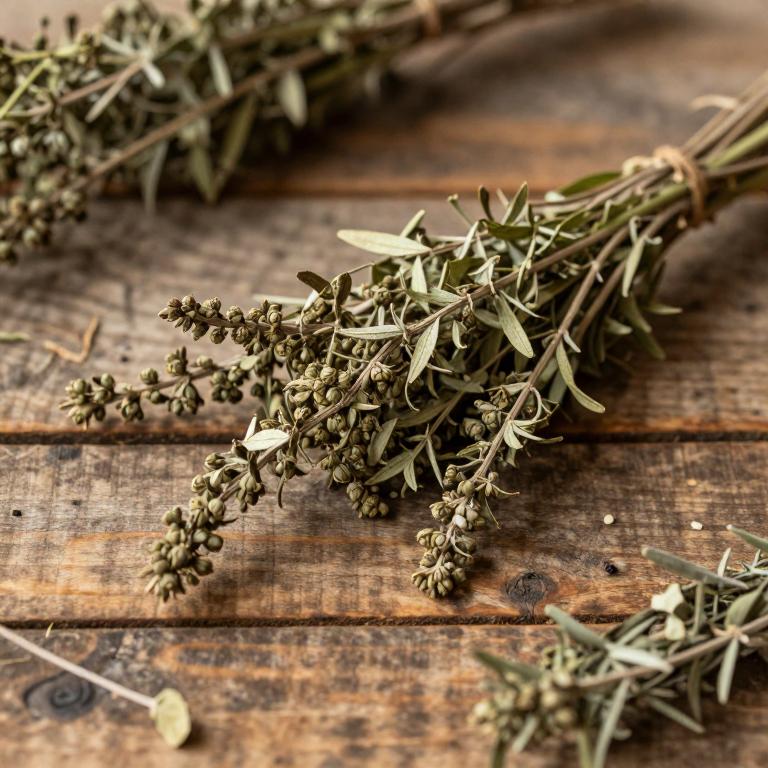
Caragana opulens, scientifically known as Caragana opulens, is a resilient deciduous shrub native to East Asian landscapes. Renowned for its vibrant yellow blooms, this plant holds significant value in traditional medicine. It is frequently utilized for its therapeutic properties, particularly in treating inflammatory conditions and supporting overall systemic health.
- Family
- Fabaceae
- Native range
- Asia-Temperate
- Parts used
- Not available
- Common names
- Not available
- Scientific synonyms
- Caragana Opulens Var. Angustifolia · Caragana Opulens Var. Licentiana · 4 more
Names and Synonyms
Scientific Names
Accepted name
Caragana opulensSynonyms
- Caragana opulens var. angustifolia
- Caragana opulens var. licentiana
- Caragana opulens var. perforata
- Caragana opulens var. trichophylla
- Caragana licentiana
- Caragana kansuensis
Sources: Wikidata, Catalogue of Life
Taxonomical Classification
This plant belongs to the kingdom Plantae and the phylum Streptophyta, falling under the class Equisetopsida and subclass Magnoliidae. Within the order Fabales, it is classified under the family Fabaceae. Finally, it is identified by its specific genus, Caragana.
| Rank | Classification |
|---|---|
| Kingdom | Plantae |
| Phylum | Streptophyta |
| Class | Equisetopsida |
| Subclass | Magnoliidae |
| Order | Fabales |
| Family | Fabaceae |
| Genus | Caragana |
Sources: The World Checklist of Vascular Plants (WCVP)
Distribution
This plant exhibits a broad and diverse range of habitats across various regions of China. It is widely distributed throughout China South-Central, where it adapts to specific local climates. The species also extends its reach into the northern territories of Inner Mongolia. Furthermore, its presence is recorded in the central landscapes of China North-Central. Finally, the geographical range reaches into the high-altitude terrains of both Qinghai and Tibet.
| Region | Area |
|---|---|
| China | China South-Central |
| China | Inner Mongolia |
| China | China North-Central |
| China | Qinghai |
| China | Tibet |
| Mongolia | Mongolia |
Sources: The World Checklist of Vascular Plants (WCVP)
Chemicals
Caragana opulens has 7 reported phytochemicals identified across 0 scientific publications and several other databases. The most consistently reported chemicals include (+)-13-Hydroxyspathulenol, BETA-SITOSTEROL, Encelin, Lup-20(29)-en-3-one, Lupenol.
| Chemical | Supporting sources | Consensus |
|---|---|---|
| (+)-13-Hydroxyspathulenol | 1 supporting sources | ★☆☆☆☆ |
| BETA-SITOSTEROL | 1 supporting sources | ★☆☆☆☆ |
| Encelin | 1 supporting sources | ★☆☆☆☆ |
| Lup-20(29)-en-3-one | 1 supporting sources | ★☆☆☆☆ |
| Lupenol | 1 supporting sources | ★☆☆☆☆ |
| Penduletin | 1 supporting sources | ★☆☆☆☆ |
| quercetin | 1 supporting sources | ★☆☆☆☆ |
(+)-13-Hydroxyspathulenol
- Zhong yao cai = Zhongyaocai = Journal of Chinese medicinal materials
BETA-SITOSTEROL
- Zhong yao cai = Zhongyaocai = Journal of Chinese medicinal materials
Encelin
- Zhong yao cai = Zhongyaocai = Journal of Chinese medicinal materials
Lup-20(29)-en-3-one
- Zhong yao cai = Zhongyaocai = Journal of Chinese medicinal materials
Lupenol
- Zhong yao cai = Zhongyaocai = Journal of Chinese medicinal materials
Penduletin
- Zhong yao cai = Zhongyaocai = Journal of Chinese medicinal materials
quercetin
- Zhong yao cai = Zhongyaocai = Journal of Chinese medicinal materials
Preparations
Caragana opulens has 1 reported preparations identified across 0 scientific publications and several other databases. The most consistently reported preparations include 95% ethanol extract.
| Preparation | Supporting sources | Consensus |
|---|---|---|
| 95% ethanol extract | 1 supporting sources | ★☆☆☆☆ |
95% ethanol extract
- Zhong yao cai = Zhongyaocai = Journal of Chinese medicinal materials