Rock Caper
Capparis spinosa subsp. rupestris · Accepted scientific name
Scientific literature: Very Sparse (9 studies) · ★☆☆☆☆
Rock Capers, scientifically known as Capparis spinosa subsp. rupestris, is a resilient, drought-tolerant shrub native to Mediterranean ecosystems. Renowned for its edible flower buds and medicinal properties, this hardy plant offers antioxidant and anti-inflammatory benefits. It thrives in rocky terrains, embodying strength and traditional healing through its unique bioactive compounds.
- Family
- Capparaceae
- Native range
- Europe
- Parts used
- Flower · Leaf
- Common names
- Rock Caper
- Scientific synonyms
- Capparis Spinosa F. Inermis · Capparis Spinosa Proles Rupestris · 6 more
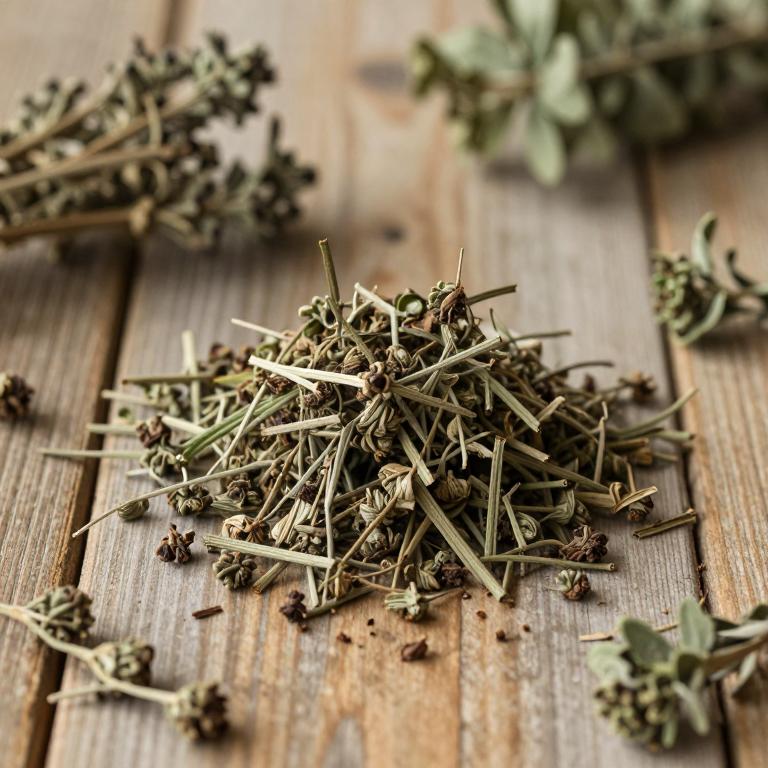
Names and Synonyms
Common Names
- Rock Caper
Scientific Names
Accepted name
Capparis spinosa subsp. rupestrisSynonyms
- Capparis spinosa f. inermis
- Capparis spinosa proles rupestris
- Capparis spinosa var. rupestris
- Capparis orientalis
- Capparis rupestris
- Capparis spinosa var. inermis
- Capparis spinosa subsp. orientalis
- Capparis spinosa subsp. inermis
Sources: Wikidata, Catalogue of Life
Taxonomical Classification
This plant belongs to the kingdom Plantae and the phylum Streptophyta, falling under the class Equisetopsida and subclass Magnoliidae. Within the order Brassicales, it is classified under the family Capparaceae and the genus Capparis. As a subspecies, Capparis spinosa subsp. rupestris represents a specific taxonomic grouping within this lineage.
| Rank | Classification |
|---|---|
| Kingdom | Plantae |
| Phylum | Streptophyta |
| Class | Equisetopsida |
| Subclass | Magnoliidae |
| Order | Brassicales |
| Family | Capparaceae |
| Genus | Capparis |
Sources: The World Checklist of Vascular Plants (WCVP)
Distribution
This plant exhibits a wide distribution across the Mediterranean basin, spanning both Southwestern and Southeastern Europe. In the Southwestern region, it can be found throughout Spain and the Balearic Islands. Its presence also extends to the island of Sardinia. Moving toward Southeastern Europe, the species is established in Albania. Finally, its range continues through the various territories of Greece.
| Region | Area |
|---|---|
| Southwestern Europe | Baleares |
| Southwestern Europe | Sardegna |
| Southwestern Europe | Spain |
| Southeastern Europe | Albania |
| Southeastern Europe | Greece |
| Southeastern Europe | Italy |
| Southeastern Europe | Kriti |
| Southeastern Europe | Sicilia |
| Southeastern Europe | NW. Balkan Pen. |
| Northern Africa | Algeria |
Sources: The World Checklist of Vascular Plants (WCVP)
Plant Parts
Capparis spinosa subsp. rupestris has 2 reported plant parts identified across 2 scientific publications and several other databases that are studied for medicinal purposes. The most consistently reported plant part include flower, leaf.
| Plant part | Supporting sources | Consensus |
|---|---|---|
| Flower | 1 supporting sources | ★☆☆☆☆ |
| Leaf | 1 supporting sources | ★☆☆☆☆ |
Flower
- Plants (Basel, Switzerland)
Leaf
- Plants (Basel, Switzerland)
Chemicals
Capparis spinosa subsp. rupestris has 1 reported phytochemicals identified across 2 scientific publications and several other databases. The most consistently reported chemicals include quercetin.
| Chemical | Supporting sources | Consensus |
|---|---|---|
| quercetin | 1 supporting sources | ★☆☆☆☆ |
quercetin
- Plants (Basel, Switzerland)
Activities
Capparis spinosa subsp. rupestris has 2 reported activities identified across 2 scientific publications and several other databases. The most consistently reported activities include Antioxidant, Immunostimulant.
| Activity | Supporting sources | Consensus |
|---|---|---|
| Antioxidant | 1 supporting sources | ★☆☆☆☆ |
| Immunostimulant | 1 supporting sources | ★☆☆☆☆ |
Antioxidant
- Plants (Basel, Switzerland)
Immunostimulant
- Plants (Basel, Switzerland)