Capparis pyrifolia
Capparis pyrifolia · Accepted scientific name
Scientific literature: Very Sparse (4 studies) · ★☆☆☆☆
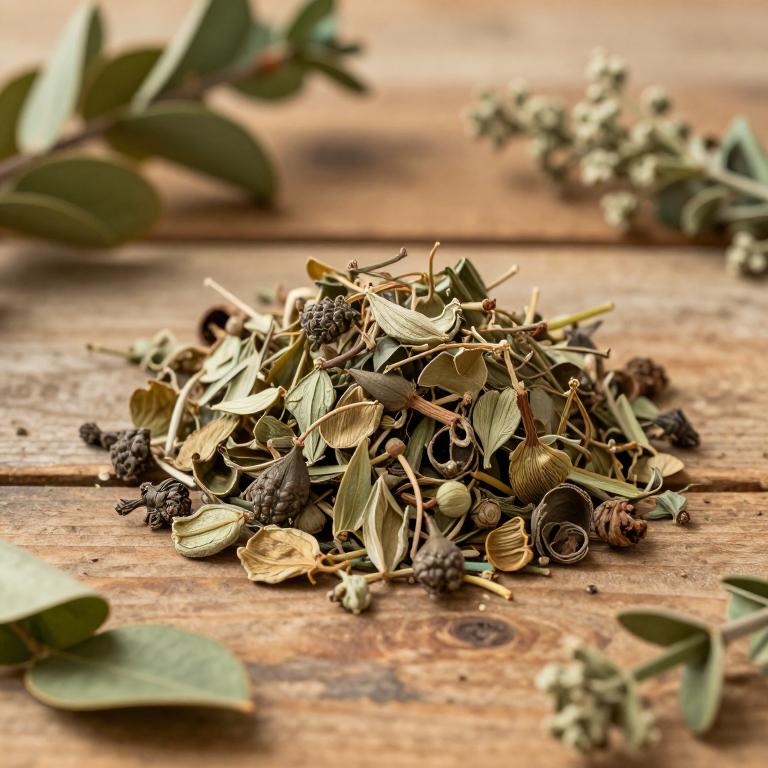
Capparis pyrifolia, scientifically known as Capparis pyrifolia, is a resilient, perennial shrub widely distributed across tropical and subtropical regions. Commonly referred to as the Caper bush, this plant is highly valued in traditional medicine for its potent antioxidant, anti-inflammatory, and antimicrobial properties, offering diverse therapeutic benefits for various ailments.
- Family
- Not available
- Native range
- Asia-Tropical
- Parts used
- Leaf
- Common names
- Not available
- Scientific synonyms
- Not available
Names and Synonyms
Scientific Names
Accepted name
Capparis pyrifoliaDistribution
This plant, known as Capparis pyrifolia, exhibits a significant presence across several regions in Asia. Within the Indian Subcontinent, it is notably distributed throughout India. Its range also extends extensively into the Indo-China region. Specifically, it can be found growing in the countries of Cambodia, Laos, and Thailand. Additionally, the species is well-established within the borders of Vietnam.
| Region | Area |
|---|---|
| Indian Subcontinent | India |
| Indo-China | Cambodia |
| Indo-China | Laos |
| Indo-China | Thailand |
| Indo-China | Vietnam |
| Malesia | Jawa |
| Malesia | Lesser Sunda Is. |
| Malesia | Sumatera |
Sources: The World Checklist of Vascular Plants (WCVP)
Plant Parts
Capparis pyrifolia has 1 reported plant parts identified across 1 scientific publications and several other databases that are studied for medicinal purposes. The most consistently reported plant part include leaf.
| Plant part | Supporting sources | Consensus |
|---|---|---|
| Leaf | 1 supporting sources | ★☆☆☆☆ |
Leaf
- Microbial pathogenesis
Chemicals
Capparis pyrifolia has 3 reported phytochemicals identified across 1 scientific publications and several other databases. The most consistently reported chemicals include Cardiac Glycosides, Steroids, Tannins.
| Chemical | Supporting sources | Consensus |
|---|---|---|
| Cardiac Glycosides | 1 supporting sources | ★☆☆☆☆ |
| Steroids | 1 supporting sources | ★☆☆☆☆ |
| Tannins | 1 supporting sources | ★☆☆☆☆ |
Cardiac Glycosides
- Microbial pathogenesis
Steroids
- Microbial pathogenesis
Tannins
- Microbial pathogenesis
Preparations
Capparis pyrifolia has 4 reported preparations identified across 1 scientific publications and several other databases. The most consistently reported preparations include aqueous, ethyl acetate, methanol, petroleum ether.
| Preparation | Supporting sources | Consensus |
|---|---|---|
| Aqueous | 1 supporting sources | ★☆☆☆☆ |
| Ethyl acetate | 1 supporting sources | ★☆☆☆☆ |
| Methanol | 1 supporting sources | ★☆☆☆☆ |
| Petroleum ether | 1 supporting sources | ★☆☆☆☆ |
Aqueous
- Microbial pathogenesis
Ethyl acetate
- Microbial pathogenesis
Methanol
- Microbial pathogenesis
Petroleum ether
- Microbial pathogenesis