Amnesia
Cannabis · Accepted scientific name
Scientific literature: Very Extensive (451 studies) · ★★★★★
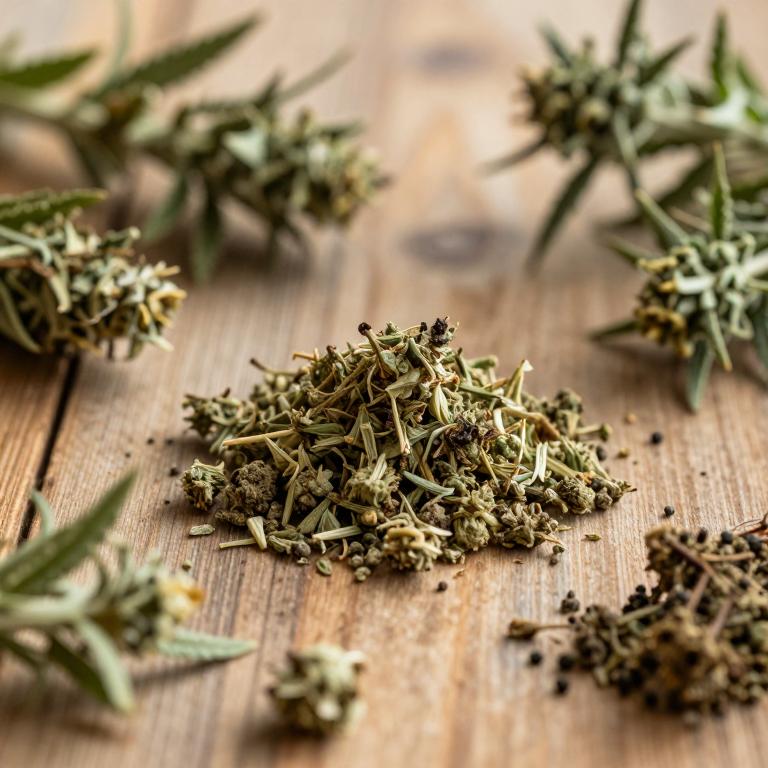
Amnesia, scientifically known as Cannabis, is a versatile medicinal plant renowned for its diverse therapeutic properties. Rich in cannabinoids like THC and CBD, it is widely utilized to manage chronic pain, anxiety, epilepsy, and nausea. As research advances, its complex chemical profile offers profound potential for modern neurological treatments.
- Family
- Cannabaceae
- Native range
- Europe
- Parts used
- Flower · Leaf
- Common names
- Amnesia · Hemp
- Scientific synonyms
- Not available
Names and Synonyms
Common Names
- Amnesia
- hemp
Scientific Names
Accepted name
CannabisRegional and Traditional Names
Spanish:
- Amnesia
- Mariguana
- Marihuana
German:
- Hanf
- Femeln
French:
- Chanvre
- Beud
Sources: Wikidata, Catalogue of Life
Taxonomical Classification
This plant belongs to the kingdom Plantae and is classified under the phylum Streptophyta and the class Equisetopsida. Within the subclass Magnoliidae, it is organized under the order Rosales and the family Cannabaceae. Ultimately, the medicinal species is identified by the genus Cannabis.
| Rank | Classification |
|---|---|
| Kingdom | Plantae |
| Phylum | Streptophyta |
| Class | Equisetopsida |
| Subclass | Magnoliidae |
| Order | Rosales |
| Family | Cannabaceae |
| Genus | Cannabis |
Sources: The World Checklist of Vascular Plants (WCVP)
Distribution
This plant exhibits a notable presence across several regions within Northern Europe. In the coastal and mainland areas of Denmark, it can be found growing in various environments. It also extends its range northward into the expansive landscapes of Finland. Moving westward, the distribution includes the island territories of Great Britain and Ireland. Finally, the plant's reach continues through the rugged terrain of Norway.
| Region | Area |
|---|---|
| Northern Europe | Denmark |
| Northern Europe | Finland |
| Northern Europe | Great Britain |
| Northern Europe | Ireland |
| Northern Europe | Norway |
| Northern Europe | Sweden |
| Middle Europe | Austria |
| Middle Europe | Belgium |
| Middle Europe | Czechia-Slovakia |
| Middle Europe | Germany |
Sources: The World Checklist of Vascular Plants (WCVP)
Plant Parts
Cannabis has 6 reported plant parts identified across 52 scientific publications and several other databases that are studied for medicinal purposes. The most consistently reported plant part include flower, leaf, seed, stem, root.
| Plant part | Supporting sources | Consensus |
|---|---|---|
| Flower | 18 supporting sources | ★★★★★ |
| Leaf | 17 supporting sources | ★★★★★ |
| Seed | 8 supporting sources | ★★★★☆ |
| Stem | 4 supporting sources | ★★☆☆☆ |
| Root | 3 supporting sources | ★★☆☆☆ |
| Fruit | 2 supporting sources | ★☆☆☆☆ |
Flower
- Expert review of neurotherapeutics
- The Plant journal : for cell and molecular biology
- Journal of psychoactive drugs
- Journal of cannabis research
- Pharmaceuticals (Basel, Switzerland)
View 13 additional sources
- Gene
- Scientific reports
- Frontiers in plant science
- Frontiers in pharmacology
- Drug testing and analysis
- Journal of chromatography. A
- Journal of chromatography. B, Analytical technologies in the biomedical and life sciences
- Comprehensive reviews in food science and food safety
- Deutsches Arzteblatt international
- Planta medica
- Medical cannabis and cannabinoids
- Current opinion in psychology
- Advances in biological regulation
Leaf
- The Plant journal : for cell and molecular biology
- Journal of cannabis research
- Pharmaceuticals (Basel, Switzerland)
- Toxins
- Scientific reports
View 12 additional sources
- Journal of ethnopharmacology
- BMC complementary medicine and therapies
- Frontiers in pharmacology
- Journal of advanced pharmaceutical technology & research
- Comprehensive reviews in food science and food safety
- Antioxidants (Basel, Switzerland)
- Plants (Basel, Switzerland)
- Planta medica
- Advances in biological regulation
- Medical cannabis and cannabinoids
- Forensic science international
- Frontiers in microbiology
Seed
- Pharmaceuticals (Basel, Switzerland)
- Journal of ethnopharmacology
- Frontiers in pharmacology
- Evidence-based complementary and alternative medicine : eCAM
- Database : the journal of biological databases and curation
View 3 additional sources
- Comprehensive reviews in food science and food safety
- Natural product reports
- Forensic science international
Stem
- Scientific reports
- Frontiers in pharmacology
- Forensic science international
- Frontiers in microbiology
Root
- Pharmaceuticals (Basel, Switzerland)
- Scientific reports
- Forensic science international
Fruit
- Evidence-based complementary and alternative medicine : eCAM
- Journal of ethnopharmacology
Chemicals
Cannabis has 40 reported phytochemicals identified across 52 scientific publications and several other databases. The most consistently reported chemicals include cannabidiol, CBD, THC, Cannabinoids, TETRAHYDROCANNABINOL.
| Chemical | Supporting sources | Consensus |
|---|---|---|
| cannabidiol | 18 supporting sources | ★★★★★ |
| CBD | 6 supporting sources | ★★★☆☆ |
| THC | 6 supporting sources | ★★★☆☆ |
| Cannabinoids | 5 supporting sources | ★★★☆☆ |
| TETRAHYDROCANNABINOL | 5 supporting sources | ★★★☆☆ |
| Terpenes | 3 supporting sources | ★★☆☆☆ |
| Cannabinoid | 2 supporting sources | ★☆☆☆☆ |
| Flavonoids | 2 supporting sources | ★☆☆☆☆ |
| Monoterpenes | 2 supporting sources | ★☆☆☆☆ |
| Sesquiterpenes | 2 supporting sources | ★☆☆☆☆ |
cannabidiol
- Neuroscience letters
- Scientific reports
- ACS applied materials & interfaces
- ACS sensors
- Neurotherapeutics : the journal of the American Society for Experimental NeuroTherapeutics
View 13 additional sources
- European archives of psychiatry and clinical neuroscience
- Journal of separation science
- American journal of surgery
- Cannabis and cannabinoid research
- Alcoholism, clinical and experimental research
- PloS one
- Frontiers in plant science
- Journal of cannabis research
- Journal of dietary supplements
- Frontiers in pharmacology
- International journal of molecular sciences
- Phytochemistry
- Cureus
CBD
- ACS sensors
- Forensic science international
- PloS one
- Current opinion in psychology
- Plants (Basel, Switzerland)
View 1 additional sources
- Cannabis and cannabinoid research
THC
- ACS sensors
- Forensic science international
- PloS one
- Current opinion in psychology
- Plants (Basel, Switzerland)
View 1 additional sources
- Cannabis and cannabinoid research
Cannabinoids
- International journal of molecular sciences
- Current pharmaceutical design
- IDrugs : the investigational drugs journal
- Drug testing and analysis
- Frontiers in plant science
TETRAHYDROCANNABINOL
- American journal of surgery
- PloS one
- Cannabis and cannabinoid research
- Journal of experimental botany
- ACS chemical neuroscience
Terpenes
- Journal of cannabis research
- The Plant journal : for cell and molecular biology
- Cannabis and cannabinoid research
Cannabinoid
- The Plant journal : for cell and molecular biology
- Plants (Basel, Switzerland)
Flavonoids
- Cannabis and cannabinoid research
- IDrugs : the investigational drugs journal
Monoterpenes
- Journal of cannabis research
- Plants (Basel, Switzerland)
Sesquiterpenes
- Journal of cannabis research
- Plants (Basel, Switzerland)
Activities
Cannabis has 13 reported activities identified across 52 scientific publications and several other databases. The most consistently reported activities include Psychoactive, Anxiolytic, Anticonvulsant, Neuroprotective, Analgesic.
| Activity | Supporting sources | Consensus |
|---|---|---|
| Psychoactive | 9 supporting sources | ★★★★☆ |
| Anxiolytic | 5 supporting sources | ★★★☆☆ |
| Anticonvulsant | 4 supporting sources | ★★☆☆☆ |
| Neuroprotective | 4 supporting sources | ★★☆☆☆ |
| Analgesic | 3 supporting sources | ★★☆☆☆ |
| Antiemetic | 3 supporting sources | ★★☆☆☆ |
| Antidepressant | 1 supporting sources | ★☆☆☆☆ |
| Antimicrobial | 1 supporting sources | ★☆☆☆☆ |
| Antinociceptive | 1 supporting sources | ★☆☆☆☆ |
| Antioxidant | 1 supporting sources | ★☆☆☆☆ |
Psychoactive
- Methods in molecular biology (Clifton, N.J.)
- The Plant journal : for cell and molecular biology
- Discover oncology
- Journal of cannabis research
- Therapeutic drug monitoring
View 4 additional sources
- Progress in neuro-psychopharmacology & biological psychiatry
- Journal of ethnopharmacology
- Journal of experimental botany
- ACS chemical neuroscience
Anxiolytic
- Biomedicines
- Journal of translational medicine
- International journal of molecular sciences
- Pharmacology & therapeutics
- Cureus
Anticonvulsant
- British journal of pharmacology
- Current neurology and neuroscience reports
- British journal of hospital medicine (London, England : 2005)
- Scientific reports
Neuroprotective
- Basic & clinical pharmacology & toxicology
- International journal of molecular sciences
- Pharmacology & therapeutics
- Molecules (Basel, Switzerland)
Analgesic
- Cancers
- International journal of molecular sciences
- Cureus
Antiemetic
- Biomedicines
- Cancers
- International journal of molecular sciences
Antidepressant
- Pharmacology & therapeutics
Antimicrobial
- Metabolites
Antinociceptive
- Cannabis and cannabinoid research
Antioxidant
- Molecules (Basel, Switzerland)
Conditions
Cannabis has 94 reported investigations on conditions identified across 52 scientific publications and several other databases. The most consistently reported conditions include pain, epilepsy, anxiety, multiple sclerosis, cancer.
| Condition | Supporting sources | Consensus |
|---|---|---|
| Pain | 16 supporting sources | ★★★★★ |
| Epilepsy | 11 supporting sources | ★★★★★ |
| Anxiety | 10 supporting sources | ★★★★★ |
| Multiple sclerosis | 10 supporting sources | ★★★★★ |
| Cancer | 8 supporting sources | ★★★★☆ |
| Nausea | 8 supporting sources | ★★★★☆ |
| Inflammation | 7 supporting sources | ★★★★☆ |
| Depression | 5 supporting sources | ★★★☆☆ |
| Insomnia | 5 supporting sources | ★★★☆☆ |
| Vomiting | 5 supporting sources | ★★★☆☆ |
Pain
- Current oncology (Toronto, Ont.)
- Current pain and headache reports
- Journal of cannabis research
- Pharmaceuticals (Basel, Switzerland)
- Multiple sclerosis (Houndmills, Basingstoke, England)
View 11 additional sources
- International journal of molecular sciences
- Current medicinal chemistry
- American journal of surgery
- European journal of clinical pharmacology
- IDrugs : the investigational drugs journal
- Current opinion in investigational drugs (London, England : 2000)
- British journal of pharmacology
- Journal of AOAC International
- Life sciences
- BMC psychiatry
- JAMA surgery
Epilepsy
- Journal of ethnopharmacology
- Journal of chromatography. B, Analytical technologies in the biomedical and life sciences
- The Journal of pharmacy and pharmacology
- British journal of pharmacology
- South African medical journal = Suid-Afrikaanse tydskrif vir geneeskunde
View 6 additional sources
- Cannabis and cannabinoid research
- Frontiers in psychiatry
- The Medical journal of Australia
- Journal of AOAC International
- Pharmacology, biochemistry, and behavior
- Scientific reports
Anxiety
- Expert review of neurotherapeutics
- Pharmaceuticals (Basel, Switzerland)
- Journal of ethnopharmacology
- Journal of clinical psychopharmacology
- International journal of molecular sciences
View 5 additional sources
- Frontiers in psychiatry
- British journal of pharmacology
- Journal of AOAC International
- BMC psychiatry
- Expert opinion on investigational drugs
Multiple sclerosis
- Current pain and headache reports
- Natural product research
- Multiple sclerosis (Houndmills, Basingstoke, England)
- Journal of clinical psychopharmacology
- The Journal of pharmacy and pharmacology
View 5 additional sources
- ImmunoTargets and therapy
- IDrugs : the investigational drugs journal
- Current opinion in investigational drugs (London, England : 2000)
- Clinical rehabilitation
- PharmacoEconomics
Cancer
- Current oncology (Toronto, Ont.)
- Natural product research
- Discover oncology
- Journal of chromatography. B, Analytical technologies in the biomedical and life sciences
- European journal of clinical pharmacology
View 3 additional sources
- British journal of pharmacology
- Life sciences
- Expert opinion on investigational drugs
Nausea
- Pharmaceuticals (Basel, Switzerland)
- International journal of molecular sciences
- Current medicinal chemistry
- American journal of surgery
- European journal of clinical pharmacology
View 3 additional sources
- Journal of AOAC International
- JAMA surgery
- World journal of clinical cases
Inflammation
- Recent patents on biotechnology
- Pharmaceuticals (Basel, Switzerland)
- Journal of physiology and pharmacology : an official journal of the Polish Physiological Society
- International journal of molecular sciences
- American journal of surgery
View 2 additional sources
- British journal of pharmacology
- Cannabis and cannabinoid research
Depression
- Current oncology (Toronto, Ont.)
- Journal of ethnopharmacology
- Frontiers in psychiatry
- British journal of pharmacology
- BMC psychiatry
Insomnia
- Current oncology (Toronto, Ont.)
- Frontiers in psychiatry
- Journal of AOAC International
- JAMA surgery
- Expert opinion on investigational drugs
Vomiting
- Pharmaceuticals (Basel, Switzerland)
- Current medicinal chemistry
- American journal of surgery
- Journal of AOAC International
- World journal of clinical cases
Preparations
Cannabis has 131 reported preparations identified across 52 scientific publications and several other databases. The most consistently reported preparations include cannabis extracts, cannabis extract, extracts, cannabis oil, Cannabis extracts.
| Preparation | Supporting sources | Consensus |
|---|---|---|
| Cannabis extracts | 8 supporting sources | ★★★★☆ |
| Cannabis extract | 4 supporting sources | ★★☆☆☆ |
| Extracts | 4 supporting sources | ★★☆☆☆ |
| Cannabis oil | 3 supporting sources | ★★☆☆☆ |
| Cannabis extracts | 2 supporting sources | ★☆☆☆☆ |
| Cannabis-based medicinal extracts | 2 supporting sources | ★☆☆☆☆ |
| Dried flowers | 2 supporting sources | ★☆☆☆☆ |
| Oil | 2 supporting sources | ★☆☆☆☆ |
| Plant extracts | 2 supporting sources | ★☆☆☆☆ |
| Smoked cannabis | 2 supporting sources | ★☆☆☆☆ |
Cannabis extracts
- Clinical and experimental dental research
- Basic & clinical pharmacology & toxicology
- Medical cannabis and cannabinoids
- Current pharmaceutical design
- The Journal of pharmacy and pharmacology
View 3 additional sources
- British journal of pharmacology
- Molecules (Basel, Switzerland)
- Scientific reports
Cannabis extract
- Journal of ethnopharmacology
- Scientific reports
- ImmunoTargets and therapy
- Deutsches Arzteblatt international
Extracts
- Biomolecules
- Fitoterapia
- Epidemiologia e prevenzione
- Journal of dietary supplements
Cannabis oil
- Medicina
- Journal of investigative medicine high impact case reports
- Journal of law and medicine
Cannabis extracts
- Scientific reports
- Revista de la Facultad de Ciencias Medicas (Cordoba, Argentina)
Cannabis-based medicinal extracts
- British journal of pharmacology
- Multiple sclerosis (Houndmills, Basingstoke, England)
Dried flowers
- Journal of cannabis research
- Journal of chromatography. A
Oil
- Journal of chromatography. A
- Cannabis and cannabinoid research
Plant extracts
- ACS sensors
- Journal of separation science
Smoked cannabis
- Missouri medicine
- Neuropsychopharmacology : official publication of the American College of Neuropsychopharmacology