Cananga brandisiana
Cananga brandisiana · Accepted scientific name
Scientific literature: Very Sparse (0 studies) · ★☆☆☆☆
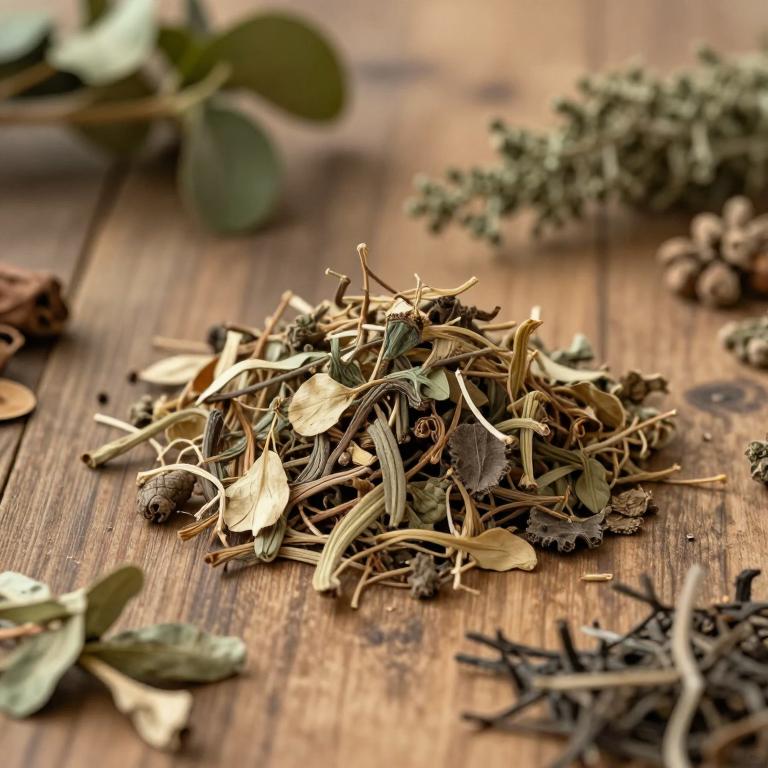
Cananga brandisiana is a significant tropical plant known for its aromatic properties and medicinal potential. Often found in lush forest environments, this species serves various roles in traditional botanical practices. One common way to utilize its therapeutic benefits is through the preparation of a decoction. By boiling the plant parts in water, practitioners can extract potent compounds for health purposes. Understanding its preparation methods is essential for anyone exploring the diverse uses of this unique species.
- Synonyms
- Canangium Brandisanum · Unona Brandisiana
- Common names
- Not available
- Family
- Annonaceae
- Distribution
- Not available
- Plant Parts
- Not available
Classification
Synonyms
Cananga brandisiana is a botanical species that is frequently identified by various taxonomic designations in scientific literature. Due to historical shifts in classification, it is officially recognized by the synonym Canangium brandisanum. Researchers also encounter this plant listed under the name Unona brandisiana in older botanical records. These overlapping names reflect the evolving nature of plant taxonomy and the complexities of naming conventions. Understanding these synonyms is essential for anyone conducting precise botanical research or plant identification.
Sources: The World Checklist of Vascular Plants (WCVP)
Taxonomy
Cananga brandisiana is a fascinating botanical specimen that belongs to the vast kingdom Plantae. Within this expansive realm, the species is categorized under the class Equisetopsida. It further resides in the order Magnoliales, showcasing its evolutionary connections to other ancient flowering plants. This plant is a member of the distinguished genus Cananga, which defines its unique structural characteristics. Finally, its specific biological classification places it within the fragrant and diverse family Annonaceae.
| Rank | Classification |
|---|---|
| Kingdom | Plantae |
| Phylum | Streptophyta |
| Class | Equisetopsida |
| Subclass | Magnoliidae |
| Order | Magnoliales |
| Family | Annonaceae |
| Genus | Cananga |
Sources: The World Checklist of Vascular Plants (WCVP)
Distribution
Geographic Regions
Cananga brandisiana is a notable species primarily found throughout the tropical regions of Asia. Its natural distribution spans a significant portion of Indo-China, highlighting its ecological importance in the area. Specifically, this plant can be discovered across the diverse landscapes of Cambodia and Laos. It also maintains a steady presence within the territories of Myanmar and Thailand. Finally, the species completes its regional range by flourishing in the lush environments of Vietnam.
Sources: The World Checklist of Vascular Plants (WCVP)
Identification
Morphology
Cananga brandisiana is a self-supporting tree that develops a robust and steady growth form. This species typically reaches a maximum height of 20 meters as it matures in its natural habitat. Its structural stability makes it a prominent feature within its ecosystem.
Sources: Global Inventory of Floras and Traits (GIFT)
Biological Activities
Compounds
Conditions
Cananga brandisiana, closely related to the widely cited Cananga latifolia, plays a significant role in the traditional treatment of liver disorders within Khmer medicinal practices. Ethnopharmacological surveys in Cambodia highlight that various medicinal plants are essential components used by traditional healers to manage liver-related health problems. The study specifically identifies species within the Cananga genus as being frequently utilized to address these ailments. These plants are often integrated into multi-ingredient recipes and prepared as decoctions to be administered orally to patients. Given their prominent use, these botanical resources warrant further scientific investigation into their pharmacological potential for treating liver diseases.
Preparations
Cananga brandisiana is prepared as a decoction to facilitate its medicinal use. This specific method of preparation is a common practice among Khmer traditional healers when administering herbal remedies for liver disorders. By using a decoction, the active components of the plant are extracted into a liquid form for oral administration. This traditional process ensures that the plant's properties are effectively delivered to the patient. Consequently, such preparation techniques are central to the ethnopharmacological practices documented in the study.