Campomanesia velutina
Campomanesia velutina · Accepted scientific name
Scientific literature: Very Sparse (0 studies) · ★☆☆☆☆
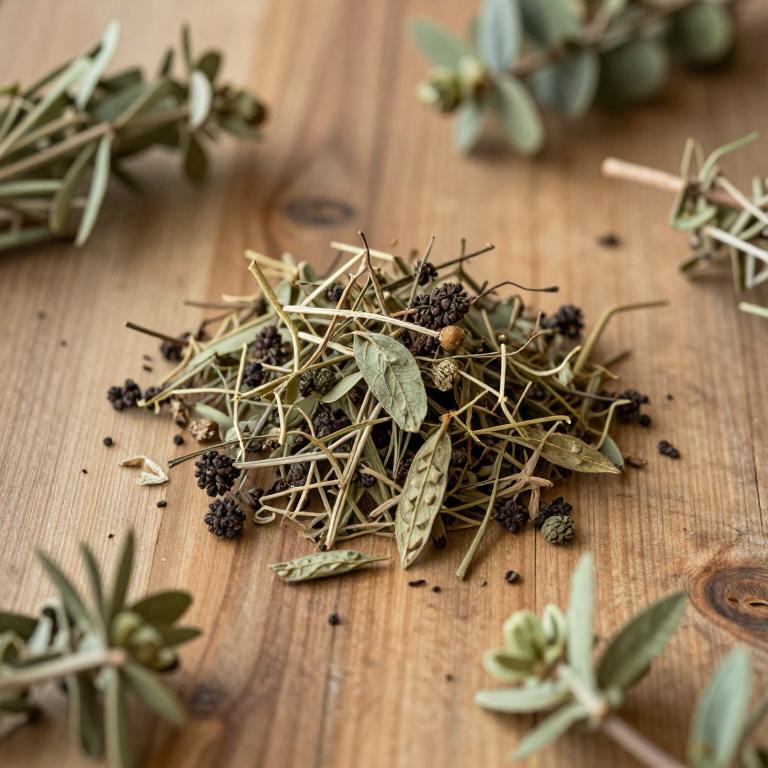
Campomanesia velutina is a botanical species recognized for its diverse pharmacological potential in traditional medicine. Recent studies have focused on its therapeutic application specifically for the treatment of diarrhea. Researchers have investigated the efficacy of different preparations, most notably aqueous extracts from the branches (AEB) and aqueous extracts from the leaves (AEL). These extracts are analyzed to determine their bioactive compounds and their impact on intestinal stability. Understanding the properties of these preparations provides valuable insight into the plant's role in managing gastrointestinal distress.
- Synonyms
- Psidium Velutinum · Campomanesia Riedeliana · 1 more
- Common names
- Not available
- Family
- Myrtaceae
- Distribution
- Not available
- Plant Parts
- Not available
Classification
Synonyms
Campomanesia velutina is a botanical species that has been identified through various scientific names throughout history. In taxonomic literature, it is frequently documented under the synonym Campomanesia rabeniana. The plant is also recognized by the name Campomanesia riedeliana in several botanical records. Furthermore, researchers have previously classified this specific species as Psidium velutinum. Understanding these various nomenclatural relationships is essential for accurate plant identification and classification.
Sources: The World Checklist of Vascular Plants (WCVP)
Taxonomy
Campomanesia velutina is a fascinating specimen that belongs to the kingdom Plantae. Within this vast biological kingdom, the plant is classified under the class Equisetopsida. It further belongs to the specific order Myrtales, which helps define its evolutionary lineage. As a member of the family Myrtaceae, it shares distinct characteristics with many other well-known woody plants. Finally, its taxonomic identity is solidified by its placement within the genus Campomanesia.
| Rank | Classification |
|---|---|
| Kingdom | Plantae |
| Phylum | Streptophyta |
| Class | Equisetopsida |
| Subclass | Magnoliidae |
| Order | Myrtales |
| Family | Myrtaceae |
| Genus | Campomanesia |
Sources: The World Checklist of Vascular Plants (WCVP)
Distribution
Geographic Regions
Campomanesia velutina is a plant species primarily distributed throughout the vast landscapes of South America. Within this continent, it maintains a significant presence across the diverse territories of Brazil. Its range extends through the lush environments of the Northeast and the fertile regions of the Southeast. Furthermore, the species can be found thriving in the Brazil West-Central area and throughout the northern parts of the country. This wide geographic spread highlights the plant's adaptability to various Brazilian ecosystems.
Sources: The World Checklist of Vascular Plants (WCVP)
Identification
Morphology
Campomanesia velutina is a self-supporting plant characterized by its distinct tree growth form. This species typically reaches a maximum height of 6 meters as it matures. Its structural stability allows it to thrive as a sturdy component of its natural environment.
Sources: Global Inventory of Floras and Traits (GIFT)
Biological Activities
Compounds
Conditions
Campomanesia velutina is utilized in Brazilian folk medicine for its specific therapeutic properties. Specifically, infusions made from the leaves of the plant are used to treat diarrhea. Additionally, infusions prepared from the branches serve to ameliorate intestinal cramps. These traditional uses highlight the plant's historical role in addressing gastrointestinal issues. Consequently, the species is recognized for its potential to manage both diarrhea and abdominal cramping.
Preparations
Campomanesia velutina is prepared as aqueous extracts from the branches (AEB) and as aqueous extracts from the leaves (AEL) for toxicological evaluation. These two specific preparations, AEB and AEL, are used in Brazilian folk medicine to treat intestinal cramps and diarrhea, respectively. During preclinical studies, both the aqueous branch extracts and leaf extracts were orally administered to mice at varying doses to assess their safety. The research examined how these different aqueous preparations affected the biological systems and organs of the test subjects. Ultimately, the study evaluated the toxicological potential of Campomanesia velutina through both its leaf-based and branch-based aqueous forms.