Camphora longepaniculata
Camphora longepaniculata · Accepted scientific name
Scientific literature: Very Sparse (0 studies) · ★☆☆☆☆
Camphora longepaniculata is a botanical species that has garnered significant interest within the field of ethnopharmacology. Scientific investigations into this plant often focus on the bioactive compounds found within its leaves. Recent studies have specifically explored the potential therapeutic applications of these leaf extracts in relation to hepatoma. Researchers aim to understand how the phytochemical profile of the plant interacts with liver cancer cells. This ongoing research highlights the importance of studying Camphora longepaniculata as a potential candidate for future medicinal development.
- Synonyms
- Cinnamomum Inunctum Var. Longepaniculatum · Cinnamomum Longepaniculatum
- Common names
- Not available
- Family
- Lauraceae
- Distribution
- Not available
- Plant Parts
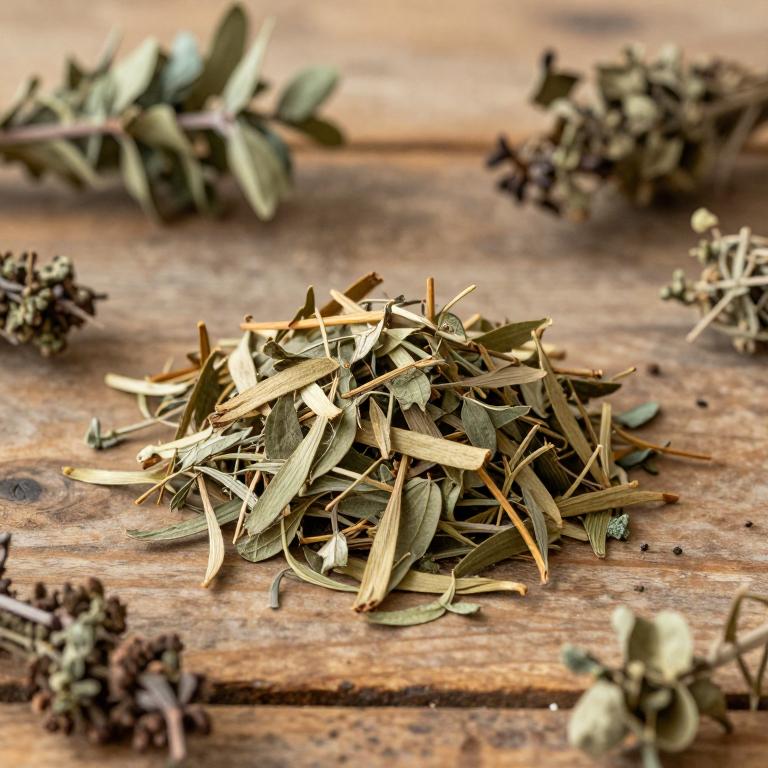
- Leaf
Classification
Synonyms
Camphora longepaniculata is a botanical species that is frequently identified through various taxonomic designations. In many scientific records, it is recognized by the synonym Cinnamomum inunctum var. longepaniculatum. Furthermore, the plant is often referred to simply as Cinnamomum longepaniculatum in different botanical contexts. These overlapping names reflect the complex history of its classification within the plant kingdom. Understanding these synonymous relationships is essential for researchers tracking the species accurately.
Sources: The World Checklist of Vascular Plants (WCVP)
Taxonomy
Camphora longepaniculata belongs to the vast kingdom Plantae, representing a diverse group of multicellular organisms. Within this kingdom, the species is classified under the class Equisetopsida. It further falls into the order Laurales, showcasing its specific evolutionary lineage. As a member of the Lauraceae family, it shares characteristics with many other aromatic woody plants. Finally, it is identified by its unique genus, Camphora, which defines its botanical identity.
| Rank | Classification |
|---|---|
| Kingdom | Plantae |
| Phylum | Streptophyta |
| Class | Equisetopsida |
| Subclass | Magnoliidae |
| Order | Laurales |
| Family | Lauraceae |
| Genus | Camphora |
Sources: The World Checklist of Vascular Plants (WCVP)
Distribution
Geographic Regions
Camphora longepaniculata is a plant species primarily characterized by its specific geographic distribution across Asia-Temperate regions. Within this vast area, it finds a significant stronghold in the diverse landscapes of China. More specifically, the species is frequently documented throughout the China South-Central provinces. This localized presence highlights the environmental preferences that allow the plant to thrive in these particular climates. Understanding these regional relationships is essential for mapping the natural habitat of the species.
Sources: The World Checklist of Vascular Plants (WCVP)
Identification
Biological Activities
Compounds
Conditions
Cinnamomum longepaniculatum contains safrole within its leaf essential oil, which exhibits a significant anti-hepatoma effect. When human hepatoma BEL-7402 cells are exposed to varying concentrations of this compound, both cell proliferation and colony formation are suppressed in a dose-time-dependent manner. The treatment induces characteristic morphological and biochemical changes associated with apoptosis, such as nuclear chromatin condensation and the formation of apoptotic bodies. Furthermore, safrole causes cell cycle arrest at the G1 and S phases to inhibit tumor progression. These findings demonstrate that the plant's constituent acts as a potent anti-hepatoma agent by inducing programmed cell death.
Preparations
Parts used
Camphora longepaniculata offers significant therapeutic potential through the specific use of its leaf components. Research indicates that the essential oil extracted from these leaves contains safrole, a compound with notable medicinal properties. In laboratory studies involving human hepatoma cells, safrole has demonstrated a strong ability to suppress cell proliferation and colony formation. This effect is achieved by inducing programmed cell death, or apoptosis, within the targeted cancer cells. Ultimately, the findings suggest that the leaf extract serves as a potent anti-hepatoma agent by effectively arresting the cell cycle.