Campanula hercegovina
Campanula hercegovina · Accepted scientific name
Scientific literature: Very Sparse (1 studies) · ★☆☆☆☆
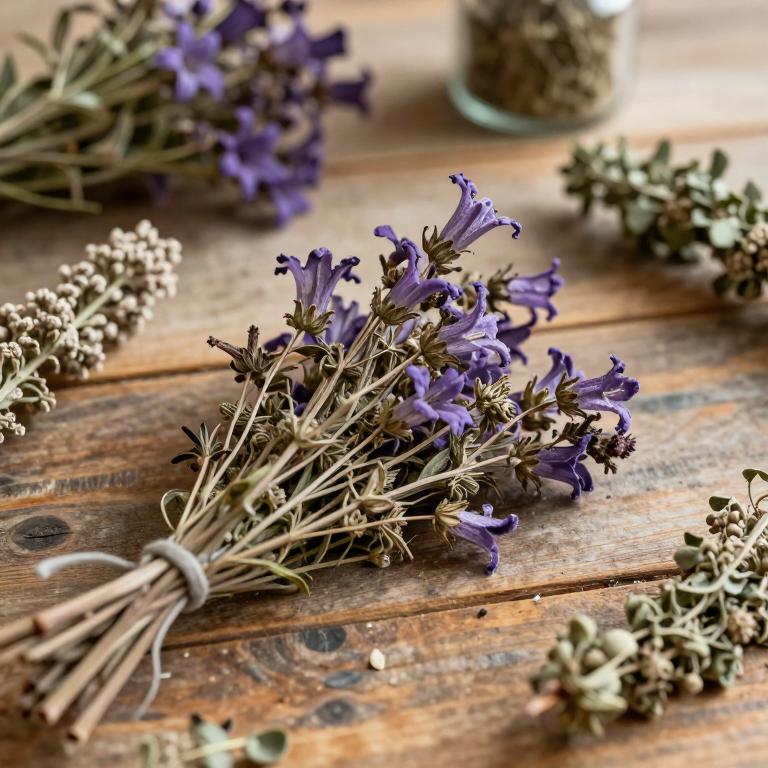
, scientifically known as Campanula hercegovina, is a remarkable medicinal plant cherished for its therapeutic properties. Often found in specialized ecosystems, this species offers unique bioactive compounds used in traditional healing. Understanding its botanical characteristics and medicinal applications provides valuable insights into its potential role in modern natural pharmacology.
- Family
- Campanulaceae
- Native range
- Europe
- Parts used
- Not available
- Common names
- Not available
- Scientific synonyms
- Campanula Hercegovina Subf. Brevicalycina · Campanula Hercegovina Var. Fallens · 8 more
Names and Synonyms
Scientific Names
Accepted name
Campanula hercegovinaSynonyms
- Campanula hercegovina subf. brevicalycina
- Campanula hercegovina var. fallens
- Campanula hercegovina f. glaberrima
- Campanula hercegovina f. humilis
- Campanula hercegovina subf. longicalycina
- Campanula hercegovina f. ovalifolia
- Campanula hercegovina var. pseudopusilla
- Campanula hercegovina f. squarrosa
- Campanula hercegovina f. umbrosa
- Campanula tarana
Sources: Wikidata, Catalogue of Life
Taxonomical Classification
This plant belongs to the kingdom Plantae and is classified under the phylum Streptophyta and the class Equisetopsida. Within the subclass Magnoliidae, it is organized under the order Asterales and the family Campanulaceae. Finally, it is categorized under the genus Campanula.
| Rank | Classification |
|---|---|
| Kingdom | Plantae |
| Phylum | Streptophyta |
| Class | Equisetopsida |
| Subclass | Magnoliidae |
| Order | Asterales |
| Family | Campanulaceae |
| Genus | Campanula |
Sources: The World Checklist of Vascular Plants (WCVP)
Distribution
This plant, known scientifically as Campanula hercegovina, possesses a very specific and restricted natural range. Its geographical distribution is primarily confined to the region of Southeastern Europe. Within this territory, it is specifically found located in the Northwest Balkan Peninsula. Because its habitat is so localized, it is considered an endemic species to this particular area. Consequently, understanding its presence in these mountainous Balkan landscapes is vital for its conservation.
| Region | Area |
|---|---|
| Southeastern Europe | NW. Balkan Pen. |
Sources: The World Checklist of Vascular Plants (WCVP)
Botanical Identification
Life history
The life history of Campanula hercegovina is characterized by its classification as a hemicryptophyte, a growth form where the perennating buds are located at or just below the soil surface, protected by leaf litter or the substrate. This biological strategy allows the plant to survive seasonal variations and dormant periods by shielding its vital regenerative structures from extreme environmental conditions. As a hemicryptophyte, it maintains a perennial existence, emerging from its subterranean buds to complete its reproductive cycle each growing season. This life form provides a balance between the resilience of a geophyte and the structural visibility of a chamaephyte, ensuring the plant can effectively colonize its specific ecological niche through consistent seasonal regrowth.
- Life form :
- hemicryptophyte
Morphology
The morphology of Campanula hercegovina is characterized by its growth habit and ecological positioning as a terrestrial organism. It functions as a self-supporting climber, meaning it possesses the structural integrity to maintain an upright or spreading posture without requiring external hosts for mechanical stability. As a non-parasitic species, it is entirely independent, obtaining all necessary nutrients and water through its own root system rather than relying on a host plant. Furthermore, it is a terrestrial plant, establishing its root system in the soil rather than living as an epiphyte upon other vegetation.
- Climber :
- self-supporting
- Epiphyte :
- terrestrial
- Parasite :
- independent
Sources: Global Inventory of Floras and Traits (GIFT)
Chemicals
Campanula hercegovina has 1 reported phytochemicals identified across 0 scientific publications and several other databases. The most consistently reported chemicals include RUTIN.
| Chemical | Supporting sources | Consensus |
|---|---|---|
| RUTIN | 1 supporting sources | ★☆☆☆☆ |
RUTIN
- Plants (Basel, Switzerland)
Preparations
Campanula hercegovina has 1 reported preparations identified across 0 scientific publications and several other databases. The most consistently reported preparations include ethanolic extracts.
| Preparation | Supporting sources | Consensus |
|---|---|---|
| Ethanolic extracts | 1 supporting sources | ★☆☆☆☆ |
Ethanolic extracts
- Plants (Basel, Switzerland)