Camellia petelotii var. petelotii
Camellia petelotii var. petelotii · Accepted scientific name
Scientific literature: Very Sparse (1 studies) · ★☆☆☆☆
Camellia petelotii var. petelotii is a versatile botanical species utilized extensively for its diverse therapeutic potential. Rich in bioactive compounds such as flavonoids and phenols, the plant exhibits significant hepatoprotective activities. Various parts of the plant, including the leaves, flowers, and seeds, can be processed into preparations like tea, Chi, aqueous ethanol extracts, or essential oils. Emerging research suggests that these extracts may play a role in addressing serious medical conditions like colon cancer and pancreatic cancer. Consequently, this plant serves as a promising subject for further pharmacological investigation.
- Synonyms
- Theopsis Chrysantha · Camellia Achrysantha · 4 more
- Common names
- Not available
- Family
- Theaceae
- Distribution
- Not available
- Plant Parts
- Leaf · Flower
Classification
Synonyms
Camellia petelotii var. petelotii is a botanical taxon that is frequently identified by several different scientific names. In various taxonomic studies, this plant is recognized by the synonyms Camellia achrysantha and Camellia chrysantha. It is also closely linked to the variety known as Camellia chrysantha f. longistyla. Furthermore, the species is often referred to in literature as Camellia nitidissima. This complex naming history even extends to specific variations such as Camellia nitidissima var. phaeopubisperma.
Sources: The World Checklist of Vascular Plants (WCVP)
Taxonomy
Camellia petelotii var. petelotii is a distinctive botanical specimen that belongs to the vast kingdom Plantae. Within this massive group, it is classified under the class Equisetopsida, reflecting its fundamental structural characteristics. The plant is further organized into the order Ericales, placing it alongside several other significant flowering species. It is a proud member of the genus Camellia, a group renowned for its beautiful and diverse foliage. Ultimately, this specific variety finds its taxonomic home within the family Theaceae.
| Rank | Classification |
|---|---|
| Kingdom | Plantae |
| Phylum | Streptophyta |
| Class | Equisetopsida |
| Subclass | Magnoliidae |
| Order | Ericales |
| Family | Theaceae |
| Genus | Camellia |
Sources: The World Checklist of Vascular Plants (WCVP)
Distribution
Geographic Regions
Camellia petelotii var. petelotii is a versatile species with a broad geographic presence across several diverse regions. Its distribution extends into the temperate zones of Asia, specifically within the varied landscapes of China and Southeast China. Beyond these temperate reaches, the plant also thrives in tropical Asian environments. It is commonly found throughout the Indo-China region, including parts of Vietnam. This wide range allows the variety to adapt to a unique spectrum of ecological conditions.
Sources: The World Checklist of Vascular Plants (WCVP)
Identification
Biological Activities
Camellia petelotii var. petelotii exhibits significant hepatoprotective activity that warrants closer scientific investigation. Recent research into related species within the Camellia genus has demonstrated that aqueous ethanol extracts can effectively mitigate acute liver injury. Specifically, these extracts have been shown to attenuate pathological changes in liver tissues and reduce key serum biomarkers like alanine transaminase. The protective mechanism appears to involve the reduction of oxidative stress and the regulation of inflammatory signaling pathways. Such findings suggest that botanical extracts from this genus hold great promise as functional foods or medicinal agents for liver health.
Compounds
Camellia petelotii var. petelotii is a plant notable for its rich chemical profile, specifically regarding its secondary metabolites. Research indicates that this variety contains significant amounts of flavonoids, which are essential for its biological activity. Additionally, the plant is characterized by the presence of phenols, contributing to its complex chemical composition. These bioactive compounds are central to understanding the plant's potential medicinal properties and functional benefits. Consequently, the identification of these specific constituents provides a foundation for further pharmacological exploration.
Conditions
Camellia petelotii var. petelotii demonstrates significant therapeutic potential by treating colon cancer (CC) through various molecular mechanisms. The plant also serves as a protective agent against CCl4-induced acute liver injury. Furthermore, it effectively treats H2O2-induced apoptosis and general H2O2-induced cell injury in studied models. Finally, the plant acts to treat the H2O2-induced decrease of pCREB (Ser133) expression.
Preparations
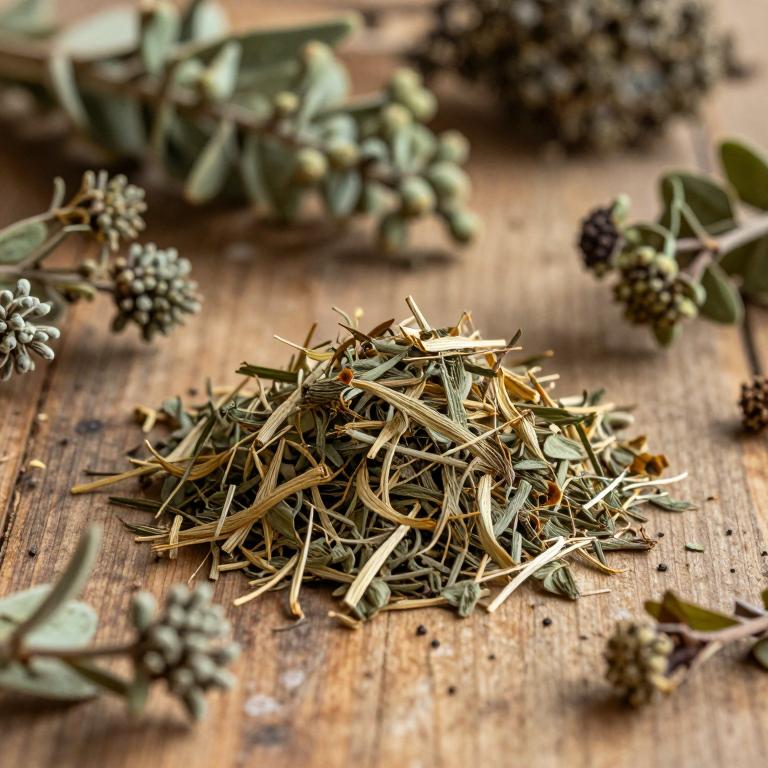
Camellia petelotii var. petelotii is prepared as tea and is also utilized as Chi in various applications. This specific plant variety is prepared as an aqueous ethanol extract to explore its medicinal benefits. Additionally, Camellia petelotii var. petelotii is prepared as essential oil. These diverse preparations highlight the many ways this plant is processed for use.
Parts used
Camellia petelotii var. petelotii possesses various anatomical components that are essential to its biological profile. Specifically, this plant species features leaves that are often utilized for their diverse medicinal and pharmacological properties. The flowers of the plant also serve as significant parts, often studied for their unique chemical compositions and antibacterial effects. Additionally, the seeds represent a distinct component that can be chemically differentiated from the other plant parts. Understanding these specific parts is crucial for ensuring the authenticity and quality of products derived from the species.