Calophyllum sundaicum
Calophyllum sundaicum · Accepted scientific name
Scientific literature: Very Sparse (1 studies) · ★☆☆☆☆
, scientifically known as Calophyllum sundaicum, is a versatile medicinal plant native to Southeast Asian tropical forests. Renowned for its therapeutic properties, it is frequently utilized in traditional medicine to treat skin ailments, inflammation, and various infections. Its bioactive compounds offer significant potential for modern pharmacological research and development.
- Family
- Not available
- Native range
- Asia-Tropical
- Parts used
- Leaf
- Common names
- Not available
- Scientific synonyms
- Not available
Names and Synonyms
Scientific Names
Accepted name
Calophyllum sundaicumDistribution
This plant is a medicinal species found within the diverse ecosystems of the Malesia region. Its natural habitat spans several key islands across Southeast Asia. Specifically, it can be located throughout the large island of Borneo. The species is also documented to grow within the territories of Malaya. Furthermore, its geographical presence extends to the island of Sumatera.
| Region | Area |
|---|---|
| Malesia | Borneo |
| Malesia | Malaya |
| Malesia | Sumatera |
Sources: The World Checklist of Vascular Plants (WCVP)
Botanical Identification
Morphology
The morphology of Calophyllum sundaicum is characterized by its robust growth form as a woody tree, reaching a maximum plant height of 28 m. As a terrestrial species, it grows directly in the soil rather than functioning as an epiphyte, and it maintains a self-supporting climbing habit.
- Climber :
- self-supporting
- Epiphyte :
- terrestrial
- Growth form :
- tree
- Plant height max:
- 28 m
- Woodiness :
- woody
Sources: Global Inventory of Floras and Traits (GIFT)
Plant Parts
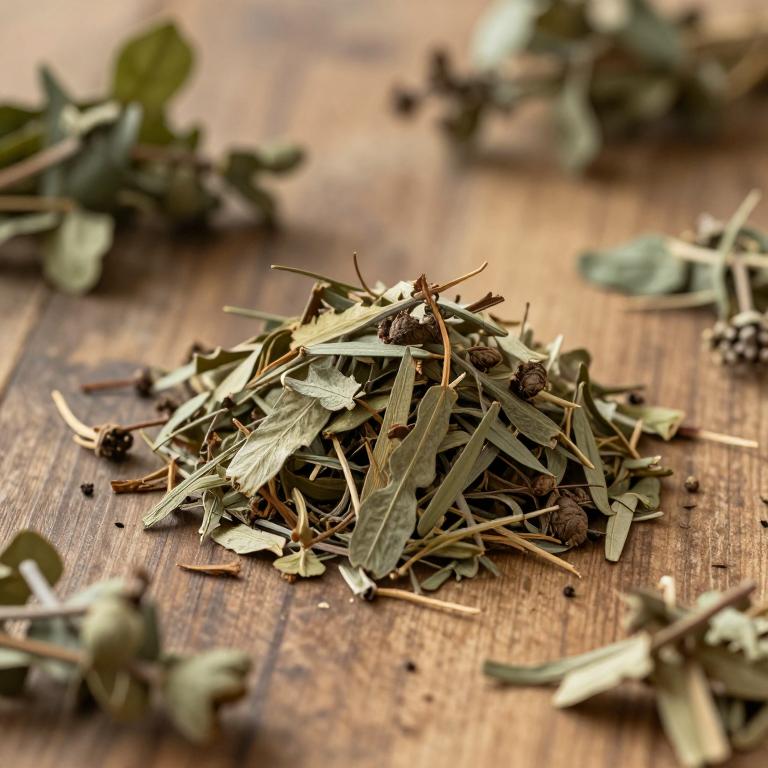
Calophyllum sundaicum has 1 reported plant parts identified across 1 scientific publications and several other databases that are studied for medicinal purposes. The most consistently reported plant part include leaf.
| Plant part | Supporting sources | Consensus |
|---|---|---|
| Leaf | 1 supporting sources | ★☆☆☆☆ |
Leaf
- Journal of natural products