Calophyllum lanigerum
Calophyllum lanigerum · Accepted scientific name
Scientific literature: Very Sparse (2 studies) · ★☆☆☆☆
Calophyllum lanigerum, scientifically known as Calophyllum lanigerum, is a remarkable medicinal plant valued for its diverse therapeutic properties. Native to tropical regions, this species is rich in bioactive compounds, including coumarins and terpenoids. It is traditionally utilized to treat skin ailments, inflammation, and various infections, offering significant pharmacological potential.
- Family
- Calophyllaceae
- Native range
- Asia-Tropical
- Parts used
- Not available
- Common names
- Not available
- Scientific synonyms
- Not available
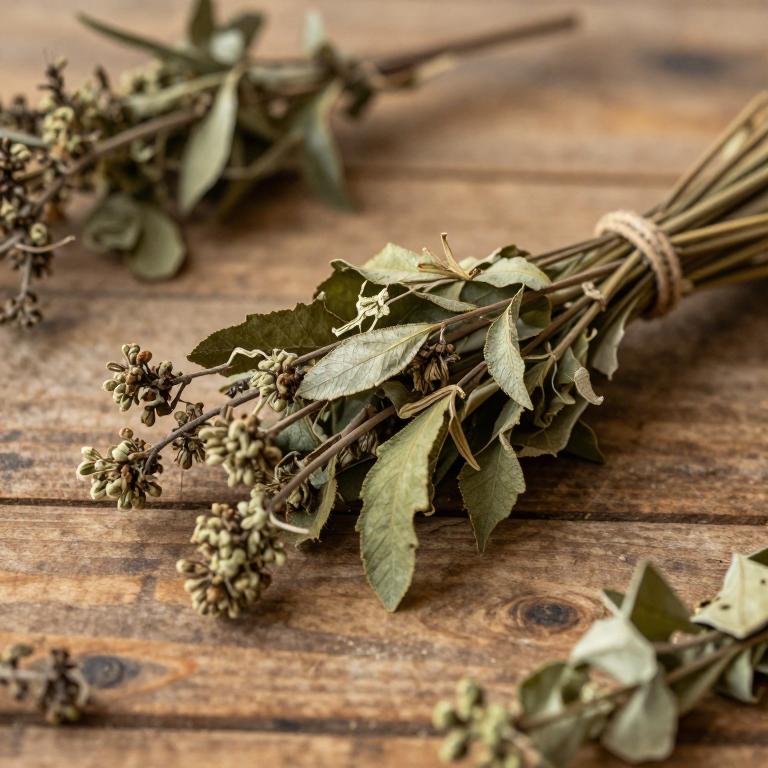
Names and Synonyms
Scientific Names
Accepted name
Calophyllum lanigerumSources: Wikidata, Catalogue of Life
Taxonomical Classification
This plant belongs to the kingdom Plantae and is classified under the phylum Streptophyta within the class Equisetopsida. It is further organized into the subclass Magnoliidae and the order Malpighiales. Finally, its taxonomic position is completed within the family Calophyllaceae and the genus Calophyllum.
| Rank | Classification |
|---|---|
| Kingdom | Plantae |
| Phylum | Streptophyta |
| Class | Equisetopsida |
| Subclass | Magnoliidae |
| Order | Malpighiales |
| Family | Calophyllaceae |
| Genus | Calophyllum |
Sources: The World Checklist of Vascular Plants (WCVP)
Distribution
This plant is native to the diverse tropical regions found within the Malesia botanical zone. Specifically, its distribution includes the large and biodiverse island of Borneo. It is also documented to grow naturally across the Malay Peninsula, commonly referred to as Malaya. Furthermore, the species can be located within the lush rainforests of Sumatera. These specific areas highlight the plant's localized presence within the Southeast Asian archipelago.
| Region | Area |
|---|---|
| Malesia | Borneo |
| Malesia | Malaya |
| Malesia | Sumatera |
Sources: The World Checklist of Vascular Plants (WCVP)
Botanical Identification
Life history
The life history of Calophyllum lanigerum is characterized by its nature as a perennial organism, meaning it lives for many years and undergoes multiple reproductive cycles throughout its long existence. As an evergreen species, it maintains its foliage year-round, providing a continuous canopy that does not undergo a seasonal shedding period, which ensures a steady process of photosynthesis and resource accumulation. This combination of a long-lived perennial lifecycle and a constant evergreen state allows the plant to establish a stable presence within its ecological niche, contributing to the sustained structural complexity of its habitat over many decades.
- Deciduousness :
- evergreen
- Lifecycle :
- perennial
Morphology
The morphology of Calophyllum lanigerum is characterized by its growth form as a woody tree that is entirely self-supporting, rather than acting as a climber, liana, or vine. This terrestrial species reaches a significant stature, with an average plant height of 15 m and a maximum height of up to 21 m. As an independent organism, it does not exhibit parasitic behavior and is strictly terrestrial in its ecological habit, lacking any epiphytic stages such as holoepiphytic or hemiepiphytic growth.
- Aquatic :
- terrestrial
- Climber :
- self-supporting
- Epiphyte :
- terrestrial
- Growth form :
- tree
- Parasite :
- independent
- Plant height max:
- 21 m
- Plant height mean:
- 15 m
- Woodiness :
- woody
Physiology
The physiology of Calophyllum lanigerum is characterized by a standard C3 photosynthetic pathway, a common metabolic strategy among many tropical woody species that involves the direct fixation of carbon dioxide through the Calvin cycle. This pathway indicates that the plant utilizes the enzyme RuBisCO for initial carbon fixation, typically requiring consistent access to water and light to maintain efficient gas exchange. Furthermore, regarding its nutrient acquisition processes, the plant does not function as a nitrogen fixer, meaning it lacks the symbiotic relationship with nitrogen-fixing bacteria required to convert atmospheric nitrogen into usable forms; instead, it relies on the uptake of nitrates and ammonium present in the soil through its root system to meet its metabolic nitrogen requirements.
- Nitrogen fixer :
- no
- Photosynthetic pathway :
- C3
Sources: Global Inventory of Floras and Traits (GIFT)
Chemicals
Calophyllum lanigerum has 1 reported phytochemicals identified across 0 scientific publications and several other databases. The most consistently reported chemicals include Calanolide A.
| Chemical | Supporting sources | Consensus |
|---|---|---|
| Calanolide A | 1 supporting sources | ★☆☆☆☆ |
Calanolide A
- Planta medica
Activities
Calophyllum lanigerum has 1 reported activities identified across 0 scientific publications and several other databases. The most consistently reported activities include RT-Inhibitor.
| Activity | Supporting sources | Consensus |
|---|---|---|
| RT-Inhibitor | 1 supporting sources | ★☆☆☆☆ |
RT-Inhibitor
- Planta medica