Calocedrus
Calocedrus · Accepted scientific name
Scientific literature: Very Sparse (0 studies) · ★☆☆☆☆
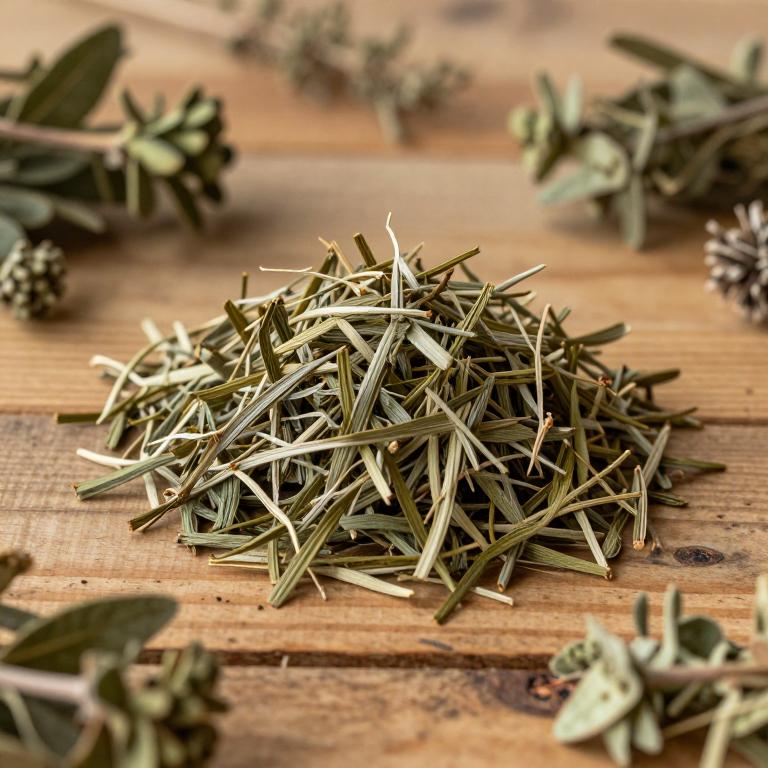
Calocedrus, commonly known as the Incense Cedar, is a genus of coniferous trees celebrated for its distinctive, fragrant foliage. These evergreen trees are highly valued in various industries, particularly for their aromatic and resilient properties. One of the most notable uses of this plant is in the extraction of specialized wood oils. These preparations are prized for their unique scent profiles and can be utilized in diverse applications ranging from perfumery to aromatherapy. Understanding the botanical characteristics of Calocedrus helps highlight its significant economic and sensory importance.
- Synonyms
- Not available
- Common names
- Not available
- Family
- Cupressaceae
- Distribution
- Asia-Tropical
- Plant Parts
- Not available
Classification
Common Names
Calocedrus is a genus of conifers that is recognized globally through various regional identifiers. Depending on the language and location, you may find it referred to simply as Calocedro or Calocedros. In French-speaking contexts, the plant is commonly known as the Calocèdre or Calocèdres. Additionally, it holds a distinct identity in certain regions under the name Cedro-do-incenso. These diverse common names reflect the widespread botanical interest in this unique species.
Sources: Catalogue of Life (COL)
Taxonomy
Calocedrus is a unique botanical entity that belongs to the vast kingdom Plantae. Within this expansive group, it is specifically classified under the class Equisetopsida. Its evolutionary lineage continues through the order Pinales, placing it among a specialized group of conifers. Furthermore, this plant is a distinct member of the genus Calocedrus. Finally, it is nested within the widely recognized family Cupressaceae.
| Rank | Classification |
|---|---|
| Kingdom | Plantae |
| Phylum | Streptophyta |
| Class | Equisetopsida |
| Subclass | Pinidae |
| Order | Pinales |
| Family | Cupressaceae |
| Genus | Calocedrus |
Sources: The World Checklist of Vascular Plants (WCVP)
Distribution
Geographic Regions
Calocedrus exhibits a diverse geographical range that spans across various temperate and tropical regions of Asia. Within China, the genus is widely distributed, appearing in South-Central, Southeast, and on the island of Hainan. Its presence extends further into Eastern Asia, specifically reaching the island of Taiwan. Moving into tropical climates, the genus can also be found throughout the Indo-China region, including Laos. This broad distribution highlights the adaptability of Calocedrus to different environmental conditions across the continent.
Sources: The World Checklist of Vascular Plants (WCVP)
Identification
Biological Activities
Compounds
Conditions
Preparations
Calocedrus species are utilized in the preparation of wood essential oils, which are commonly referred to as cedarwood oils. These specific oils serve various functions, acting as important materials for both fragrance and flavor. Additionally, the extracted oils from this genus are applied within various medicinal contexts. While many cedarwood oils are characterized by sesquiterpenoids, the oils derived from Calocedrus can be dominated by monoterpenoids. This chemical distinction highlights the unique profile of the wood oils produced from these trees.