Callicarpa hypoleucophylla
Callicarpa hypoleucophylla · Accepted scientific name
Scientific literature: Very Sparse (0 studies) · ★☆☆☆☆
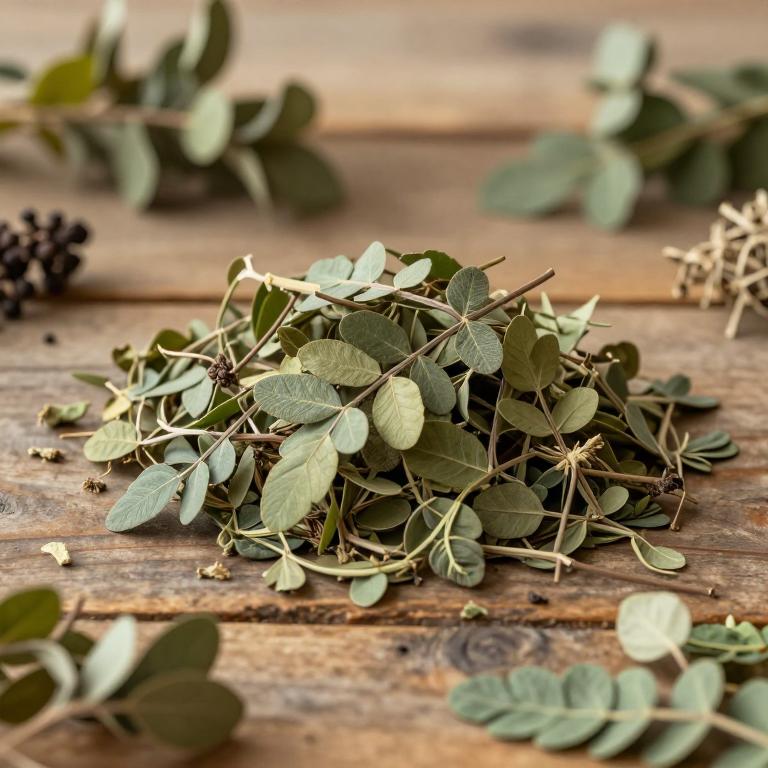
Callicarpa hypoleucophylla is a distinctive shrub recognized for its unique botanical characteristics. One of its most striking features is the specialized appearance of its leaf structure. The foliage provides a vital element to the plant's overall aesthetic and biological function. By examining the leaf closely, observers can identify the specific traits that distinguish this species from others in its genus. Understanding these vegetative details is essential for the proper identification and study of this plant.
- Synonyms
- Not available
- Common names
- Not available
- Family
- Lamiaceae
- Distribution
- Southern America
- Plant Parts
- Leaf
Classification
Common Names
Callicarpa hypoleucophylla is a distinctive plant known by several specific regional names. In certain contexts, it is commonly referred to by the Japanese name ウラジロムラサキ. Additionally, the species is recognized under the name 灰背葉紫珠. These various designations highlight the botanical diversity and the cultural terminology associated with the plant. Understanding these common names can be essential for researchers and enthusiasts identifying the species in different environments.
Sources: Catalogue of Life (COL)
Taxonomy
Callicarpa hypoleucophylla is a unique botanical specimen that belongs to the kingdom Plantae. Within this vast kingdom, the plant is classified under the class Equisetopsida. It further resides in the order Lamiales, showcasing its specific evolutionary lineage. As a member of the Lamiaceae family, it shares characteristics with many well-known aromatic herbs. Ultimately, this species is defined by its placement within the genus Callicarpa.
| Rank | Classification |
|---|---|
| Kingdom | Plantae |
| Phylum | Streptophyta |
| Class | Equisetopsida |
| Subclass | Magnoliidae |
| Order | Lamiales |
| Family | Lamiaceae |
| Genus | Callicarpa |
Sources: The World Checklist of Vascular Plants (WCVP)
Distribution
Geographic Regions
Callicarpa hypoleucophylla is a notable plant species primarily found within the Asia-temperate region. Its natural range extends across various landscapes throughout Eastern Asia, where it plays a role in the local ecosystem. Within this geographic belt, Taiwan serves as a key area for its distribution and growth. Understanding these specific habitats is essential for studying the plant's ecological relationships and survival patterns. Consequently, its presence provides valuable insights into the botanical diversity of these temperate Asian environments.
Sources: The World Checklist of Vascular Plants (WCVP)
Identification
Morphology
Callicarpa hypoleucophylla is a self-supporting plant that maintains its own structural integrity without the need for external support.
Sources: Global Inventory of Floras and Traits (GIFT)
Biological Activities
Compounds
Conditions
Callicarpa hypoleucophylla possesses significant medicinal potential through its demonstrated anti-inflammatory activity. Phytochemical investigations of the plant's leaves and twigs led to the isolation of several clerodane-type diterpenoids. Specifically, compounds identified as callihypolins A and B, along with other isolates, were evaluated for their ability to suppress biological inflammatory markers. The research showed that compounds 2 through 4 inhibited superoxide anion generation and elastase release, confirming their anti-inflammatory properties. These findings suggest that this endemic species could serve as a valuable source for developing new anti-inflammatory agents.
Preparations
Parts used
Callicarpa hypoleucophylla is a medicinal plant endemic to Taiwan that has recently become a focus of phytochemical investigation. Researchers have specifically examined the chemical constituents found within the leaves and twigs of this species. Through this study, new clerodane-type diterpenoids known as callihypolins A and B were successfully isolated from the plant's leaves. These compounds were further analyzed using spectroscopic data to elucidate their complex structures. Ultimately, the investigation of these leaf-derived components highlights the potential for developing new anti-inflammatory agents from this endemic species.