Calamus tenuis
Calamus tenuis · Accepted scientific name
Scientific literature: Very Sparse (0 studies) · ★☆☆☆☆
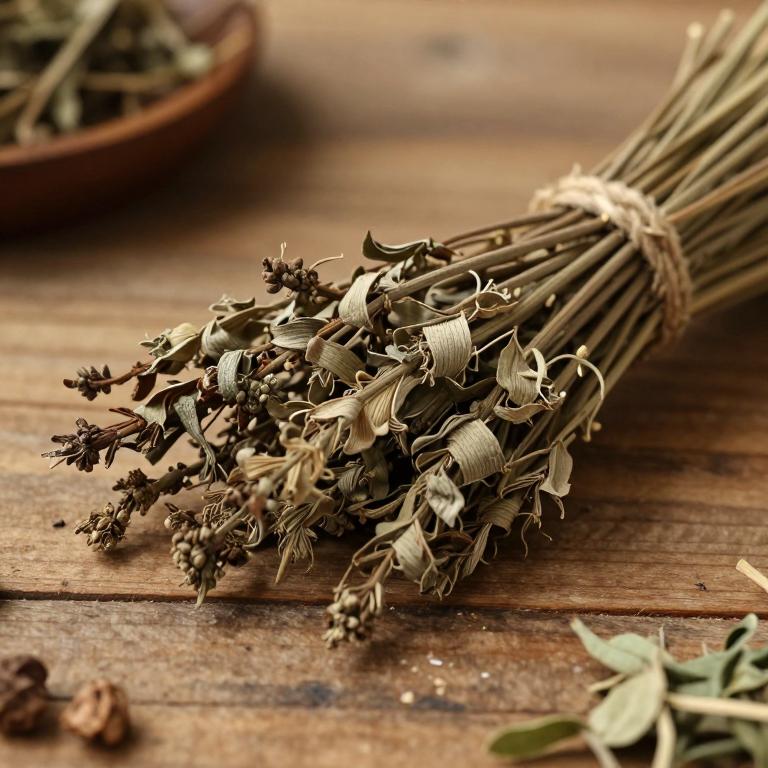
Calamus tenuis, commonly known as sweet flag, is a perennial herb that has long been valued in traditional medicinal practices. Recent scientific interest has increasingly focused on its potential therapeutic benefits for managing metabolic disorders. Specifically, researchers are investigating how its bioactive compounds might assist individuals living with Diabetes Mellitus. By exploring its hypoglycemic properties, studies aim to understand how this plant can help regulate blood glucose levels. Consequently, Calamus tenuis represents a promising subject in the search for natural dietary interventions for diabetes management.
- Synonyms
- Rotang Royleanus · Calamus Heliotropium · 7 more
- Common names
- Not available
- Family
- Arecaceae
- Distribution
- Africa
- Plant Parts
- Not available
Classification
Common Names
Calamus tenuis is a versatile plant known by a variety of different regional and linguistic names. In some areas, it is commonly referred to as Nyair or Wai nyair. The species also carries the local Bengali name জাতি বেত, reflecting its cultural significance in that region. Furthermore, its delicate characteristics are captured in the Chinese name 纖細省藤. These diverse names highlight the widespread presence and recognition of this particular species across different parts of the world.
Sources: Catalogue of Life (COL)
Synonyms
Calamus tenuis is a botanical species characterized by a complex web of synonymous classifications. Within scientific literature, this plant is frequently identified by several alternative names, including Calamus amarus and Calamus delessertianus. It is also documented under the synonyms Calamus heliotropium and Calamus royleanus depending on the taxonomic framework used. Furthermore, the species has been referred to as Palmijuncus amarus in certain historical or regional contexts. Understanding these various nomenclatures is essential for ensuring accurate identification and consistent communication within the botanical community.
Sources: The World Checklist of Vascular Plants (WCVP)
Taxonomy
Calamus tenuis is a fascinating botanical specimen that belongs to the kingdom Plantae. Within this vast kingdom, it is classified under the class Equisetopsida. This plant is further categorized into the order Arecales, showcasing its specific evolutionary lineage. As a member of the family Arecaceae, it shares close biological ties with other palm species. Finally, it is identified by its distinct genus, Calamus, which defines its unique characteristics.
| Rank | Classification |
|---|---|
| Kingdom | Plantae |
| Phylum | Streptophyta |
| Class | Equisetopsida |
| Subclass | Magnoliidae |
| Order | Arecales |
| Family | Arecaceae |
| Genus | Calamus |
Sources: The World Checklist of Vascular Plants (WCVP)
Distribution
Geographic Regions
Calamus tenuis is a tropical species primarily distributed throughout the vast regions of the Indian Subcontinent. Its presence is widely noted across various landscapes, ranging from the dense environments of Assam to the territories of Bangladesh. The plant also thrives in the mountainous reaches of the East Himalaya and the West Himalaya. Furthermore, it maintains a significant and widespread distribution throughout the country of India. This diverse geographical range highlights the plant's ability to adapt to multiple tropical ecosystems within Asia.
Sources: The World Checklist of Vascular Plants (WCVP)
Identification
Morphology
Calamus tenuis is characterized by its distinct growth form as an herbaceous plant. It relies on an obligatory climbing habit to navigate its environment and reach necessary sunlight.
Sources: Global Inventory of Floras and Traits (GIFT)
Biological Activities
Compounds
Conditions
Calamus tenuis is one of the specific plant species identified by Khampti traditional healers for the treatment of diabetes mellitus. During ethnobotanical surveys in the Lohit district of Arunachal Pradesh, this plant was noted for its reputed anti-diabetic efficacy. It is among eleven plant species highlighted in the study for providing new reports on their potential to manage blood sugar levels. While some plants in this category have demonstrated antidiabetic effects in rodent models, the clinical evidence for their effectiveness remains insufficient. Ultimately, the use of Calamus tenuis reflects the significant role of local medicinal flora in the primary healthcare of the region.