Cabobanthus polysphaerus
Cabobanthus polysphaerus · Accepted scientific name
Scientific literature: Very Sparse (0 studies) · ★☆☆☆☆
Cabobanthus polysphaerus is a distinctive plant species that has garnered scientific interest due to its unique phytochemical profile. Research focusing on this plant has specifically identified the presence of beneficial flavonoids within its structure. Scientists frequently investigate these bioactive compounds by utilizing specialized leaf extracts for detailed analysis. By studying the leaf, researchers can better understand the therapeutic potential inherent in the plant's chemistry. Consequently, this species serves as a valuable subject for exploring natural sources of antioxidant properties.
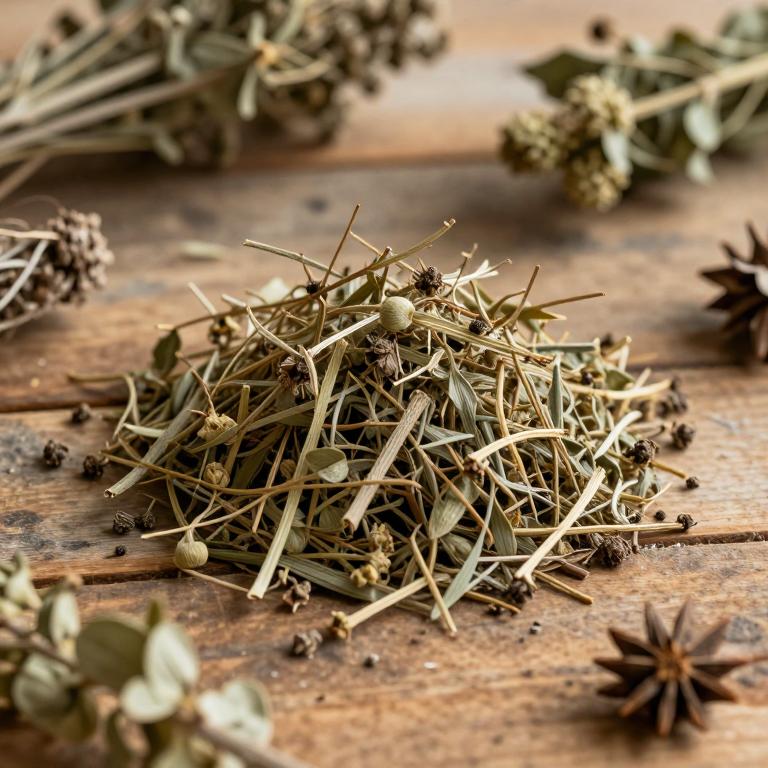
- Synonyms
- Vernonia Polysphaera · Vernonia Homblei
- Common names
- Not available
- Family
- Asteraceae
- Distribution
- Asia-Temperate
- Plant Parts
- Leaf
Classification
Common Names
Cabobanthus polysphaerus is a unique botanical specimen widely recognized by its local common name, Assa-peixe. This specific nomenclature reflects a deep-rooted connection between the plant and the cultural identity of its native environment. Understanding these linguistic relationships provides essential context for researchers studying its ecological role. By linking the scientific classification to its traditional name, one gains a fuller appreciation of its heritage. Such connections serve as a vital bridge between formal biology and regional botanical knowledge.
Sources: Catalogue of Life (COL)
Synonyms
Cabobanthus polysphaerus is a botanical species that has been documented under several different taxonomic names throughout history. Within scientific literature, this plant is frequently identified by its synonyms, such as Vernonia homblei. It is also recognized by the alternative designation Vernonia polysphaera in various botanical records. These overlapping classifications reflect the evolving nature of plant taxonomy and the complex relationships between different genera. Understanding these synonyms is essential for researchers seeking to maintain accuracy when studying this specific organism.
Sources: The World Checklist of Vascular Plants (WCVP)
Taxonomy
Cabobanthus polysphaerus belongs to the vast kingdom Plantae, representing the diverse world of multicellular autotrophs. Within this kingdom, it is classified under the class Equisetopsida, marking its place among the flowering plants. Its lineage continues through the order Asterales, a group known for significant botanical diversity. This species is further nested within the family Asteraceae, where it shares characteristics with many common wildflowers. Ultimately, it is defined by its specific genus, Cabobanthus, which distinguishes it from all other related organisms.
| Rank | Classification |
|---|---|
| Kingdom | Plantae |
| Phylum | Streptophyta |
| Class | Equisetopsida |
| Subclass | Magnoliidae |
| Order | Asterales |
| Family | Asteraceae |
| Genus | Cabobanthus |
Sources: The World Checklist of Vascular Plants (WCVP)
Distribution
Geographic Regions
Cabobanthus polysphaerus is a botanical species with a widespread distribution across the African continent. Its presence is noted in East Tropical Africa, specifically within the borders of Tanzania. The plant also thrives in the South Tropical Africa region, encompassing parts of both Angola and Zambia. Furthermore, its range extends into West-Central Tropical Africa, where it can be found in the DR Congo. This diverse geographical spread highlights the plant's ability to adapt to various tropical environments.
Sources: The World Checklist of Vascular Plants (WCVP)
Identification
Morphology
Cabobanthus polysphaerus is characterized by its distinct herb growth form. This plant functions as a self-supporting organism within its natural habitat.
Sources: Global Inventory of Floras and Traits (GIFT)
Biological Activities
Compounds
Conditions
Preparations
Cabobanthus polysphaerus, identified in the study as Vernonia polysphaera, is prepared as leaf extracts for phytochemical evaluation. These specific extracts were subjected to testing to determine their antioxidant activity and total phenolic content. The researchers utilized the leaf extracts to assess the plant's potential antifungal and antibacterial properties. During the investigation, the extracts were evaluated using various assays, including the DPPH and ABTS methods. This preparation allowed for a comprehensive analysis of the medicinal properties inherent in the plant's foliage.
Parts used
Cabobanthus polysphaerus, also referred to in botanical studies as Vernonia polysphaera, provides a significant subject for phytochemical investigation. Researchers have focused on utilizing the leaf extracts of this species to explore their potential medicinal properties. In recent studies, the antioxidant activity and phenolic content of these leaves were analyzed alongside other medicinal plants from the Cerrado region. While the plant showed various chemical profiles, it was noted for having different inhibitory responses compared to others when tested against Staphylococcus aureus. Ultimately, the leaf extracts represent a promising area for further study regarding their antibacterial and antioxidant actions.