Byrsonima crassa
Byrsonima crassa · Accepted scientific name
Scientific literature: Very Sparse (1 studies) · ★☆☆☆☆
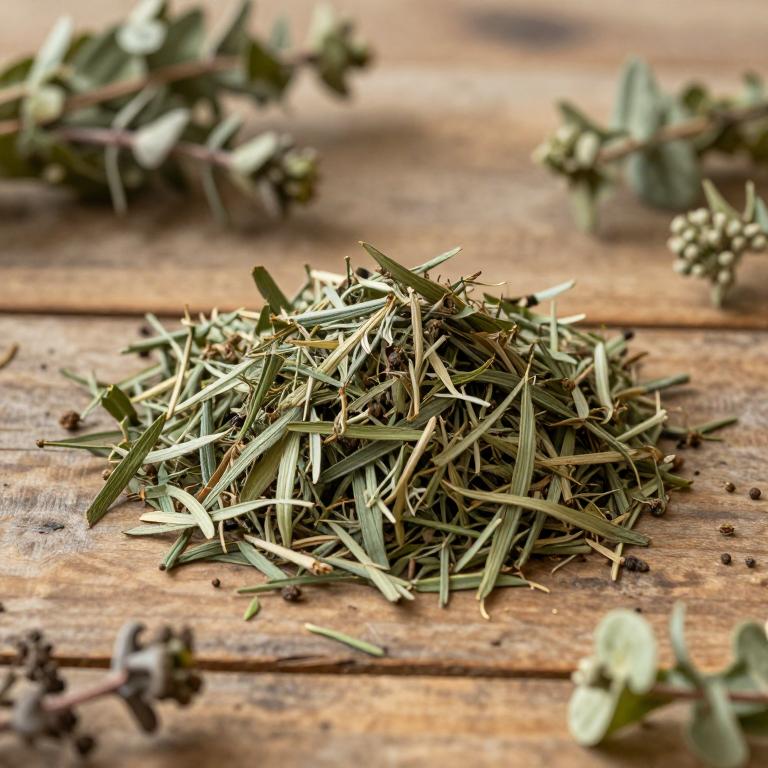
Commonly known as "pau-ferro," scientifically known as Byrsonima crassa, is a robust medicinal shrub native to Brazil. Renowned for its potent therapeutic properties, this plant is traditionally used to treat inflammation, skin ailments, and respiratory issues. Its leaves are frequently prepared as decoctions to harness their healing potential.
- Family
- Not available
- Native range
- Southern America
- Parts used
- Leaf
- Common names
- Not available
- Scientific synonyms
- Not available
Names and Synonyms
Scientific Names
Accepted name
Byrsonima crassaDistribution
This plant, known as Byrsonima crassa, exhibits a widespread presence across the diverse landscapes of Brazil. Its geographical distribution covers the vast expanse of the Brazil North region, extending into the central territories of Brazil West-Central. Furthermore, it can be found thriving throughout the Brazil Northeast area, demonstrating significant adaptability to varying climates. The species also inhabits the Brazil Southeast region, stretching further down into the Brazil South territory. Consequently, this medicinal plant maintains a truly national footprint across almost every major corner of the country.
| Region | Area |
|---|---|
| Brazil | Brazil West-Central |
| Brazil | Brazil Northeast |
| Brazil | Brazil Southeast |
| Brazil | Brazil North |
| Brazil | Brazil South |
| Southern South America | Paraguay |
Sources: The World Checklist of Vascular Plants (WCVP)
Botanical Identification
Ecology
The ecology of Byrsonima crassa is intrinsically linked to the unique environmental conditions of the Cerrado biome, where it functions as a resilient component of the tropical savanna ecosystem. Within this habitat, the species has adapted to thrive amidst seasonal oscillations in moisture, characterized by distinct wet and dry periods, and often faces nutrient-poor, acidic soils. Its presence in the Cerrado indicates a specialization for open landscapes and transitional woody formations, where it must contend with high solar radiation and periodic fire regimes typical of the region. By occupying these specific ecological niches, Byrsonima crassa contributes to the structural complexity and biodiversity of the savanna, playing a role in the localized nutrient cycling and providing stability within its specialized environmental framework.
- Habitat :
- Cerrado
Morphology
The morphology of Byrsonima crassa is characterized by a woody structure, manifesting in growth forms that can range from a shrub to a tree. As an independent organism, it does not function as a parasite or an epiphyte, maintaining a terrestrial existence rather than an aquatic or semiaquatic one. The plant is self-supporting in its growth habit, lacking the obligatory or facultative climbing mechanisms found in vining species.
- Aquatic :
- terrestrial
- Climber :
- obligatory
- Epiphyte :
- terrestrial
- Growth form :
- shrub
- Growth form :
- tree
- Parasite :
- independent
- Woodiness :
- woody
Physiology
The physiology of Byrsonima crassa is characterized by its reliance on the C3 photosynthetic pathway, a metabolic process where carbon fixation occurs through the direct carboxylation of ribulose-1,5-bisphosphate by the enzyme RuBisCO within the mesophyll cells. This C3 mechanism dictates the plant's resource management, as it typically requires higher water availability and specific stomatal conductance patterns to maintain efficient gas exchange and minimize photorespiration. Consequently, its physiological efficiency is closely tied to environmental humidity and temperature, influencing how the plant regulates its transpiration rates and nutrient uptake to sustain biomass production and metabolic functions.
- Photosynthetic pathway :
- C3
Sources: Global Inventory of Floras and Traits (GIFT)
Plant Parts
Byrsonima crassa has 1 reported plant parts identified across 1 scientific publications and several other databases that are studied for medicinal purposes. The most consistently reported plant part include leaf.
| Plant part | Supporting sources | Consensus |
|---|---|---|
| Leaf | 1 supporting sources | ★☆☆☆☆ |
Leaf
- BMC complementary and alternative medicine
Preparations
Byrsonima crassa has 5 reported preparations identified across 1 scientific publications and several other databases. The most consistently reported preparations include 80% aqueous methanol extract, acetate sub-fraction, aqueous sub-fraction, chloroform extract, methanol extract.
| Preparation | Supporting sources | Consensus |
|---|---|---|
| 80% aqueous methanol extract | 1 supporting sources | ★☆☆☆☆ |
| Acetate sub-fraction | 1 supporting sources | ★☆☆☆☆ |
| Aqueous sub-fraction | 1 supporting sources | ★☆☆☆☆ |
| Chloroform extract | 1 supporting sources | ★☆☆☆☆ |
| Methanol extract | 1 supporting sources | ★☆☆☆☆ |
80% aqueous methanol extract
- Toxicology
Acetate sub-fraction
- Toxicology
Aqueous sub-fraction
- Toxicology
Chloroform extract
- Toxicology
Methanol extract
- Toxicology