Byrsonima correifolia
Byrsonima correifolia · Accepted scientific name
Scientific literature: Very Sparse (3 studies) · ★☆☆☆☆
, scientifically known as Byrsonima correifolia, is a medicinal shrub native to Brazil, widely recognized in traditional folk medicine. Often referred to as "erva-de-pau," it is highly valued for its potent anti-inflammatory, antimicrobial, and healing properties, frequently utilized in topical preparations to treat skin ailments and minor wounds.
- Family
- Malpighiaceae
- Native range
- Southern America
- Parts used
- Not available
- Common names
- Not available
- Scientific synonyms
- Not available
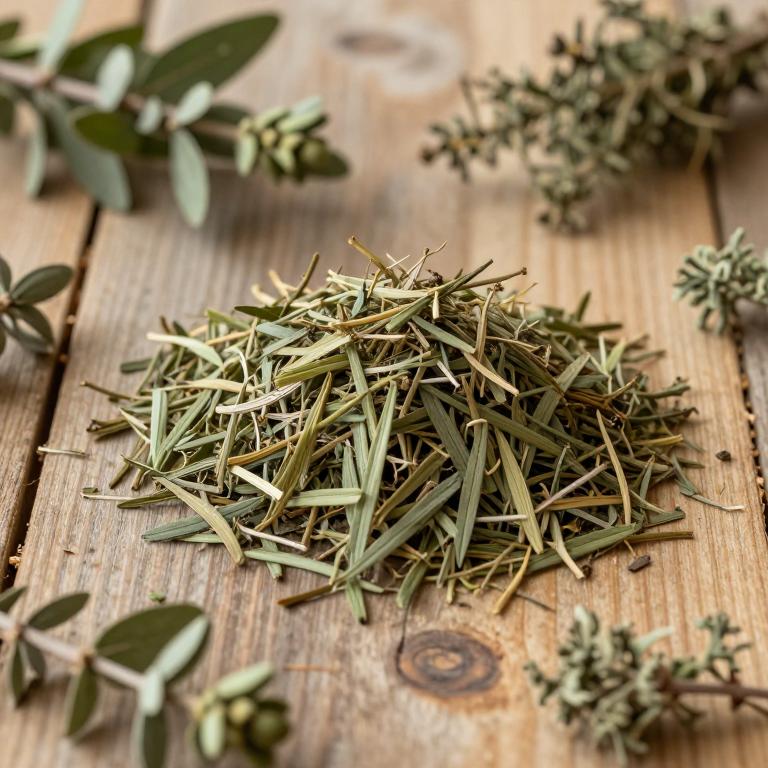
Names and Synonyms
Scientific Names
Accepted name
Byrsonima correifoliaSources: Wikidata
Taxonomical Classification
This plant belongs to the kingdom Plantae and is classified under the phylum Streptophyta and class Equisetopsida. Within the subclass Magnoliidae, it is positioned in the order Malpighiales and the family Malpighiaceae. Finally, it is identified by its specific genus, Byrsonima.
| Rank | Classification |
|---|---|
| Kingdom | Plantae |
| Phylum | Streptophyta |
| Class | Equisetopsida |
| Subclass | Magnoliidae |
| Order | Malpighiales |
| Family | Malpighiaceae |
| Genus | Byrsonima |
Sources: The World Checklist of Vascular Plants (WCVP)
Distribution
This plant is widely distributed across several key regions within the country of Brazil. Specifically, its presence is well-documented throughout the Northeast region of the country. It also maintains a significant geographical reach within the Southeast territory. Furthermore, the species can be found growing in the North of Brazil as well. These diverse locations highlight the broad ecological range of Byrsonima correifolia across the nation.
| Region | Area |
|---|---|
| Brazil | Brazil Northeast |
| Brazil | Brazil Southeast |
| Brazil | Brazil North |
Sources: The World Checklist of Vascular Plants (WCVP)
Botanical Identification
Ecology
The ecology of Byrsonima correifolia is characterized by its adaptability to diverse and often challenging biomes within the Brazilian landscape. It is widely distributed across several distinct ecosystems, primarily inhabiting the Caatinga (stricto sensu), where it must endure semi-arid conditions, as well as the nutrient-poor and rocky substrates typical of Campo Rupestre. Furthermore, its ecological range extends into the Cerrado (lato sensu), allowing it to thrive in seasonal woody savannas, and the Floresta Estacional Decidual, where it integrates into seasonal deciduous forest structures. This broad environmental tolerance enables the species to occupy varying niches, ranging from open, sun-drenched rocky outcrops to more seasonal forest environments.
- Habitat :
- Caatinga (stricto sensu), Campo Rupestre, Cerrado (lato sensu), Floresta Estacional Decidual
Morphology
The morphology of Byrsonima correifolia is characterized by its woody structure and growth form, primarily manifesting as a shrub or a small tree. This plant is a terrestrial species, functioning as an independent organism without parasitic tendencies. It is a self-supporting species rather than a climber or an epiphyte, maintaining a stable upright posture. In terms of physical dimensions, the plant reaches a maximum height of approximately 3 meters.
- Aquatic :
- terrestrial
- Climber :
- self-supporting
- Epiphyte :
- terrestrial
- Growth form :
- tree
- Growth form :
- shrub
- Parasite :
- independent
- Plant height max:
- 3 m
- Woodiness :
- woody
Sources: Global Inventory of Floras and Traits (GIFT)
Activities
Byrsonima correifolia has 3 reported activities identified across 0 scientific publications and several other databases. The most consistently reported activities include Antimicrobial, Antimutagenic, Antioxidant.
| Activity | Supporting sources | Consensus |
|---|---|---|
| Antimicrobial | 1 supporting sources | ★☆☆☆☆ |
| Antimutagenic | 1 supporting sources | ★☆☆☆☆ |
| Antioxidant | 1 supporting sources | ★☆☆☆☆ |
Antimicrobial
- BMC complementary and alternative medicine
Antimutagenic
- BMC complementary and alternative medicine
Antioxidant
- BMC complementary and alternative medicine