Buxus
Buxus · Accepted scientific name
Scientific literature: Very Sparse (0 studies) · ★☆☆☆☆
Buxus is a widely recognized genus of evergreen shrubs and trees frequently utilized in formal landscape design. These plants are prized for their dense foliage and ability to withstand meticulous pruning into various geometric shapes. Beyond their ornamental value, members of this genus possess unique biochemical profiles that distinguish them from other woody species. A notable component found within their chemical makeup is the alkaloid known as buxusemine L. Understanding these specific chemical properties provides deeper insight into the biological complexity of this popular botanical group.
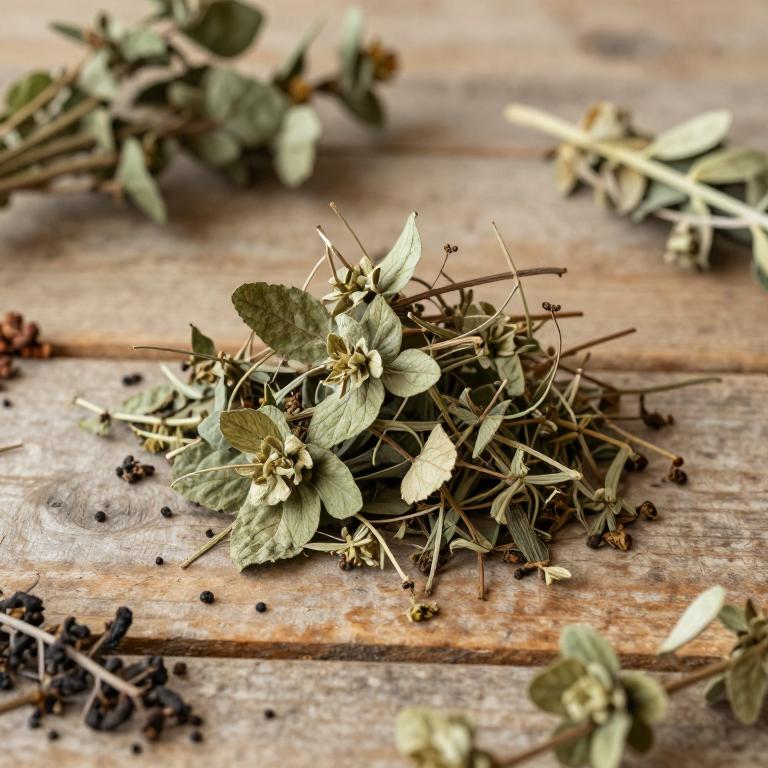
- Synonyms
- Macropodandra · Notobuxus · 2 more
- Common names
- Not available
- Family
- Buxaceae
- Distribution
- Not available
- Plant Parts
- Not available
Classification
Common Names
Buxus is a versatile genus of shrubs that is known by many different names across various languages and regions. In some local contexts, you may hear it referred to simply as Bojes or Boksus. English speakers most frequently identify these plants as Box Trees, reflecting their dense and structural growth habits. Those familiar with German terminology might recognize them as Buchsbaum or the plural Buchsbäume. Regardless of the name used, these plants remain a staple in landscape design worldwide.
Sources: Catalogue of Life (COL)
Synonyms
Buxus is a complex genus that has been subject to various taxonomic reclassifications throughout botanical history. Several synonyms have been historically associated with this group, including the names Buxanthus and Buxella. Researchers have also utilized the terms Macropodandra and Notobuxus when describing related specimens. Furthermore, the name Tricera has appeared in literature as an alternative designation for certain species within this lineage. Understanding these shifting relationships is essential for anyone studying the evolving nomenclature of the genus.
Sources: The World Checklist of Vascular Plants (WCVP)
Taxonomy
Buxus is a distinctive plant that belongs to the kingdom Plantae. Within this vast biological realm, it is classified under the class Equisetopsida. Its taxonomic journey continues through the order Buxales, which brings it closer to its specific identity. This plant is further defined by its membership in the family Buxaceae. Ultimately, it is categorized under the specific genus Buxus, marking its unique place in the natural world.
| Rank | Classification |
|---|---|
| Kingdom | Plantae |
| Phylum | Streptophyta |
| Class | Equisetopsida |
| Subclass | Magnoliidae |
| Order | Buxales |
| Family | Buxaceae |
| Genus | Buxus |
Sources: The World Checklist of Vascular Plants (WCVP)
Distribution
Geographic Regions
Buxus exhibits a diverse geographical presence across several key regions of the African continent. Its natural range extends through East Tropical Africa, with documented populations found in both Kenya and Tanzania. The genus also reaches into Northeast Tropical Africa, specifically within the territory of Djibouti. Beyond the mainland, these plants are distributed across the Macaronesian islands, including the Azores and Madeira. This widespread distribution highlights the adaptability of Buxus across varied African and Atlantic environments.
Sources: The World Checklist of Vascular Plants (WCVP)
Identification
Biological Activities
Compounds
Buxus plants serve as a natural source for a unique class of alkaloids, most notably including buxusemine L. This specific compound has been identified as an unprecedented inhibitor of the Caᵥ 3.2 low-voltage-gated calcium channel. Research indicates that buxusemine L exhibits a remarkable 30-fold selectivity for Caᵥ 3.2 over the Caᵥ 3.1 subtype. Through a distinct binding mode involving serine-1543, this alkaloid demonstrates significant potential for targeted neurological applications. Ultimately, the analgesic properties found within Buxus offer a promising foundation for the development of innovative new drugs.