Bursera schlechtendalii
Bursera schlechtendalii · Accepted scientific name
Scientific literature: Very Sparse (0 studies) · ★☆☆☆☆
Bursera schlechtendalii is a distinctive botanical species known for its unique biological properties and aromatic characteristics. The plant is particularly noted for producing a specialized resin that serves as a primary subject for various medicinal preparations. Scientific interest in this species often focuses on its biochemical interactions, specifically regarding its relationship with Glutathione Peroxidase. Researchers study these enzymatic conditions to better understand how the plant manages oxidative stress within its tissues. Consequently, this species remains a significant subject in the study of natural antioxidant defense mechanisms.
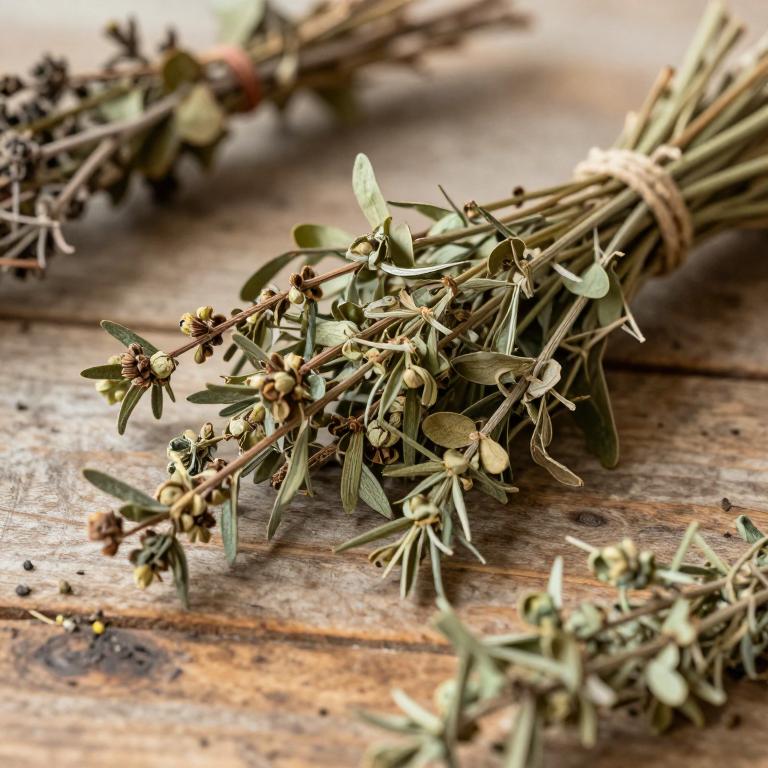
- Synonyms
- Terebinthus Jonesii · Elaphrium Simplicifolium · 3 more
- Common names
- Not available
- Family
- Burseraceae
- Distribution
- Not available
- Plant Parts
- Not available
Classification
Common Names
Bursera schlechtendalii is a versatile tree known by a wide array of regional names. Depending on the local area, it is frequently referred to as Aceitillo or Palo mulato. Some communities also call the species Papelillo colorado, highlighting its unique physical characteristics. In other regions, it might be identified by the names Ulellete or Xiote. These diverse common names reflect the plant's deep integration into various cultural landscapes.
Sources: Catalogue of Life (COL)
Synonyms
Bursera schlechtendalii is a botanical species that has been documented under several different scientific names throughout history. Due to various taxonomic classifications, it is widely recognized by its synonym Bursera jonesii. The plant has also been historically categorized within the genus Elaphrium as both Elaphrium jonesii and Elaphrium simplicifolium. Furthermore, researchers have previously identified this species under the genus Terebinthus as Terebinthus jonesii and Terebinthus schlechtendalii. Understanding these diverse nomenclatural relationships is essential for ensuring accuracy in botanical studies and plant identification.
Sources: The World Checklist of Vascular Plants (WCVP)
Taxonomy
Bursera schlechtendalii is a distinctive member of the kingdom Plantae. Within this vast biological realm, it is classified under the class Equisetopsida. It further belongs to the order Sapindales, showcasing its specific evolutionary lineage. As a representative of the genus Bursera, it carries the unique traits of its namesake group. Finally, this plant is nested within the family Burseraceae, completing its complex taxonomic profile.
| Rank | Classification |
|---|---|
| Kingdom | Plantae |
| Phylum | Streptophyta |
| Class | Equisetopsida |
| Subclass | Magnoliidae |
| Order | Sapindales |
| Family | Burseraceae |
| Genus | Bursera |
Sources: The World Checklist of Vascular Plants (WCVP)
Distribution
Geographic Regions
Bursera schlechtendalii is a resilient species primarily distributed across various regions of Northern America within Mexico. Its presence is widespread, stretching across the central territories of the country to include the Gulf coast. The plant also thrives in the Northeast and Southeast sectors, showcasing its adaptability to different climates. Furthermore, it can be found throughout the Southwest, marking a broad geographical footprint. This extensive range highlights the significant role the species plays within the diverse Mexican landscape.
Sources: The World Checklist of Vascular Plants (WCVP)
Identification
Morphology
Bursera schlechtendalii typically manifests as a shrubby growth form. This plant is entirely self-supporting, maintaining its own structure without the need for external assistance.
Sources: Global Inventory of Floras and Traits (GIFT)
Biological Activities
Compounds
Conditions
Bursera schlechtendalii exhibits a diverse range of pharmacological activities, including a potent repellence against Aedes aegypti. The inhalation of its resin and essential oil vapors produces a significant anxiolytic-like effect in murine models. Regarding lipid metabolism, the plant helps improve health by increasing HDL-c levels and decreasing LDL-c content. Furthermore, it plays a role in antioxidant defense by significantly enhancing the activity of glutathione peroxidase. These varied biological actions demonstrate the medicinal potential of this aromatic tree.
Preparations
Bursera schlechtendalii is prepared as a resin that is commercially valued as a medicinal "copal tree" in southern Mexico. This crystallized resin contains a specific profile of 14 volatiles, including n-octyl acetate and limonene. When inhaled, the vapors from this resin produce a significant anxiolytic-like effect in murine models. Furthermore, the resin demonstrates potent repellence activity against the Aedes aegypti mosquito. These biological properties highlight the diverse pharmacological utility of the resin extracted from the plant.