Bupleurum chinense var. chinense
Bupleurum chinense var. chinense · Accepted scientific name
Scientific literature: Very Extensive (603 studies) · ★★★★★
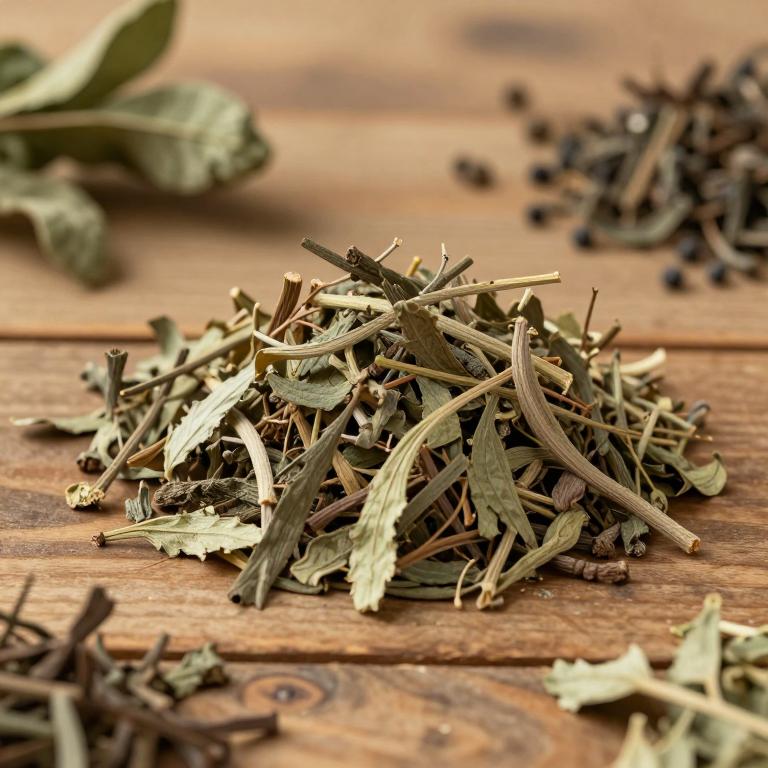
scientifically known as Bupleurum chinense var. chinense, is a vital medicinal herb deeply rooted in Traditional Chinese Medicine. Commonly called Chai Hu, this plant is celebrated for its ability to soothe the liver, resolve stagnation, and relieve emotional tension, making it an essential remedy for regulating bodily harmony.
- Family
- Apiaceae
- Native range
- Asia-Temperate
- Parts used
- Root · Fruit
- Common names
- Not available
- Scientific synonyms
- Bupleurum Chinense F. Pekinense · Bupleurum Chinense F. Vanheurckii · 10 more
Names and Synonyms
Scientific Names
Accepted name
Bupleurum chinense var. chinenseSynonyms
- Bupleurum chinense f. pekinense
- Bupleurum chinense f. vanheurckii
- Bupleurum pekinense f. chiliosciadium
- Bupleurum chinense f. octoradiatum
- Bupleurum pekinense
- Bupleurum falcatum f. ensifolium
- Bupleurum falcatum var. chiliosciadium
- Bupleurum scorzonerifolium f. ensifolium
- Bupleurum togasii
- Bupleurum octoradiatum
- Bupleurum vanheurckii
- Bupleurum chinense f. chiliosciadium
Taxonomical Classification
This plant belongs to the kingdom Plantae and the phylum Streptophyta, falling under the class Equisetopsida and subclass Magnoliidae. Within the order Apiales, it is classified under the family Apiaceae. It is specifically identified by the genus Bupleurum and the variety chinense.
| Rank | Classification |
|---|---|
| Kingdom | Plantae |
| Phylum | Streptophyta |
| Class | Equisetopsida |
| Subclass | Magnoliidae |
| Order | Apiales |
| Family | Apiaceae |
| Genus | Bupleurum |
Sources: The World Checklist of Vascular Plants (WCVP)
Distribution
This plant exhibits a broad geographical presence across several distinct regions of China. It can be found growing throughout the areas of China South-Central and China Southeast. Furthermore, its range extends into the northern territories of Inner Mongolia and Manchuria. The species is also widely distributed within the China North-Central region. Collectively, these locations highlight the diverse environmental settings where the plant thrives.
| Region | Area |
|---|---|
| China | China South-Central |
| China | Inner Mongolia |
| China | Manchuria |
| China | China North-Central |
| China | China Southeast |
| Eastern Asia | Korea |
| Indo-China | Vietnam |
Sources: The World Checklist of Vascular Plants (WCVP)
Plant Parts
Bupleurum chinense var. chinense has 5 reported plant parts identified across 15 scientific publications and several other databases that are studied for medicinal purposes. The most consistently reported plant part include root, fruit, leaf, seed, stem.
| Plant part | Supporting sources | Consensus |
|---|---|---|
| Root | 11 supporting sources | ★★★★★ |
| Fruit | 1 supporting sources | ★☆☆☆☆ |
| Leaf | 1 supporting sources | ★☆☆☆☆ |
| Seed | 1 supporting sources | ★☆☆☆☆ |
| Stem | 1 supporting sources | ★☆☆☆☆ |
Root
- Frontiers in plant science
- Zhong yao cai = Zhongyaocai = Journal of Chinese medicinal materials
- Fitoterapia
- Journal of ethnopharmacology
- Physiologia plantarum
View 6 additional sources
- Plant disease
- Scientific reports
- Planta medica
- Zhongguo Zhong yao za zhi = Zhongguo zhongyao zazhi = China journal of Chinese materia medica
- Molecules (Basel, Switzerland)
- Pharmaceuticals (Basel, Switzerland)
Fruit
- Zhong yao cai = Zhongyaocai = Journal of Chinese medicinal materials
Leaf
- Frontiers in plant science
Seed
- Zhong yao cai = Zhongyaocai = Journal of Chinese medicinal materials
Stem
- Zhong yao cai = Zhongyaocai = Journal of Chinese medicinal materials
Chemicals
Bupleurum chinense var. chinense has 128 reported phytochemicals identified across 15 scientific publications and several other databases. The most consistently reported chemicals include Saikosaponin A, Saikosaponins, Saikosaponin D, Saikosaponin, Saikosaponin C.
| Chemical | Supporting sources | Consensus |
|---|---|---|
| Saikosaponin A | 16 supporting sources | ★★★★★ |
| Saikosaponins | 16 supporting sources | ★★★★★ |
| Saikosaponin D | 14 supporting sources | ★★★★★ |
| Saikosaponin | 7 supporting sources | ★★★★☆ |
| Saikosaponin C | 7 supporting sources | ★★★★☆ |
| Flavonoids | 6 supporting sources | ★★★☆☆ |
| Saikosaponin B2 | 4 supporting sources | ★★☆☆☆ |
| saikosaponin B1 | 4 supporting sources | ★★☆☆☆ |
| linoleic acid | 3 supporting sources | ★★☆☆☆ |
| ABSCISIC ACID | 2 supporting sources | ★☆☆☆☆ |
Saikosaponin A
- Dr. Duke
- Biomedical chromatography : BMC
- Frontiers in plant science
- Archives of pharmacal research
- BMC plant biology
View 11 additional sources
- Journal of integrative plant biology
- Journal of ethnopharmacology
- Frontiers in pharmacology
- Scientific reports
- Zhong yao cai = Zhongyaocai = Journal of Chinese medicinal materials
- Chemical & pharmaceutical bulletin
- Analytical chemistry
- Pharmaceutical biology
- Journal of pharmaceutical and biomedical analysis
- Zhongguo Zhong yao za zhi = Zhongguo zhongyao zazhi = China journal of Chinese materia medica
- Molecules (Basel, Switzerland)
Saikosaponins
- BMC genomics
- BMC plant biology
- Zhongguo Zhong yao za zhi = Zhongguo zhongyao zazhi = China journal of Chinese materia medica
- Chinese herbal medicines
- Frontiers in genetics
View 11 additional sources
- FEBS open bio
- Molecules (Basel, Switzerland)
- Pharmaceuticals (Basel, Switzerland)
- Life (Basel, Switzerland)
- Current pharmaceutical biotechnology
- Plant signaling & behavior
- Molecular biology reports
- Journal of ethnopharmacology
- Pharmaceutical biology
- Journal of pharmaceutical and biomedical analysis
- Journal of chromatography. B, Analytical technologies in the biomedical and life sciences
Saikosaponin D
- Dr. Duke
- Biomedical chromatography : BMC
- Frontiers in plant science
- Zhongguo Zhong yao za zhi = Zhongguo zhongyao zazhi = China journal of Chinese materia medica
- BMC plant biology
View 9 additional sources
- Nihon yakurigaku zasshi. Folia pharmacologica Japonica
- Journal of ethnopharmacology
- Zhong yao cai = Zhongyaocai = Journal of Chinese medicinal materials
- Scientific reports
- Frontiers in chemistry
- Chemical & pharmaceutical bulletin
- Analytical chemistry
- Journal of natural medicines
- Pharmaceutical biology
Saikosaponin
- Frontiers in plant science
- BMC genomics
- BMC plant biology
- Journal of integrative plant biology
- Zhongguo Zhong yao za zhi = Zhongguo zhongyao zazhi = China journal of Chinese materia medica
View 2 additional sources
- Frontiers in chemistry
- Molecules (Basel, Switzerland)
Saikosaponin C
- Dr. Duke
- Biomedical chromatography : BMC
- Chemical & pharmaceutical bulletin
- Analytical chemistry
- Pharmaceutical biology
View 2 additional sources
- Journal of ethnopharmacology
- Zhongguo Zhong yao za zhi = Zhongguo zhongyao zazhi = China journal of Chinese materia medica
Flavonoids
- Physiologia plantarum
- Scientific reports
- Fen zi xi bao sheng wu xue bao = Journal of molecular cell biology
- Molecules (Basel, Switzerland)
- Pharmaceuticals (Basel, Switzerland)
View 1 additional sources
- Current pharmaceutical biotechnology
Saikosaponin B2
- Biomedical chromatography : BMC
- Phytomedicine : international journal of phytotherapy and phytopharmacology
- Pharmaceutical biology
- Journal of pharmaceutical and biomedical analysis
saikosaponin B1
- Biomedical chromatography : BMC
- Chemical & pharmaceutical bulletin
- Journal of natural medicines
- Journal of pharmaceutical and biomedical analysis
linoleic acid
- Dr. Duke
- Zhong yao cai = Zhongyaocai = Journal of Chinese medicinal materials
- Chemical & pharmaceutical bulletin
ABSCISIC ACID
- BMC plant biology
- Molecules (Basel, Switzerland)
Activities
Bupleurum chinense var. chinense has 319 reported activities identified across 15 scientific publications and several other databases. The most consistently reported activities include Antipyretic, Antiviral, Hepatoprotective, Analgesic, Antiepileptic.
| Activity | Supporting sources | Consensus |
|---|---|---|
| Antipyretic | 5 supporting sources | ★★★☆☆ |
| Antiviral | 3 supporting sources | ★★☆☆☆ |
| Hepatoprotective | 3 supporting sources | ★★☆☆☆ |
| Analgesic | 2 supporting sources | ★☆☆☆☆ |
| Antiepileptic | 2 supporting sources | ★☆☆☆☆ |
| Antifibrotic | 2 supporting sources | ★☆☆☆☆ |
| Antitumor | 2 supporting sources | ★☆☆☆☆ |
| 5-Alpha-Reductase-Inhibitor | 1 supporting sources | ★☆☆☆☆ |
| ACE-Inhibitor | 1 supporting sources | ★☆☆☆☆ |
| ACTH-genic | 1 supporting sources | ★☆☆☆☆ |
Antipyretic
- Dr. Duke
- Journal of ethnopharmacology
- Pharmaceuticals (Basel, Switzerland)
- Life (Basel, Switzerland)
- Plant signaling & behavior
Antiviral
- Dr. Duke
- Pharmaceuticals (Basel, Switzerland)
- Pharmaceutical biology
Hepatoprotective
- Dr. Duke
- Life (Basel, Switzerland)
- Plant signaling & behavior
Analgesic
- Dr. Duke
- Journal of ethnopharmacology
Antiepileptic
- Dr. Duke
- Oxidative medicine and cellular longevity
Antifibrotic
- Dr. Duke
- Journal of ethnopharmacology
Antitumor
- Dr. Duke
- Pharmaceutical biology
5-Alpha-Reductase-Inhibitor
- Dr. Duke
ACE-Inhibitor
- Dr. Duke
ACTH-genic
- Dr. Duke
Preparations
Bupleurum chinense var. chinense has 8 reported preparations identified across 15 scientific publications and several other databases. The most consistently reported preparations include roots, Dried aerial parts of Bupleurum chinense were extracted with EtOH, Radix Bupleuri, alcohol-extract, anther callus.
| Preparation | Supporting sources | Consensus |
|---|---|---|
| Roots | 2 supporting sources | ★☆☆☆☆ |
| Dried aerial parts of bupleurum chinense were extracted with etoh | 1 supporting sources | ★☆☆☆☆ |
| Radix bupleuri | 1 supporting sources | ★☆☆☆☆ |
| Alcohol-extract | 1 supporting sources | ★☆☆☆☆ |
| Anther callus | 1 supporting sources | ★☆☆☆☆ |
| Dried roots | 1 supporting sources | ★☆☆☆☆ |
| Fermented aerial part of bupleurum chinense | 1 supporting sources | ★☆☆☆☆ |
| Vinegar-baked bupleurum chinense | 1 supporting sources | ★☆☆☆☆ |
Roots
- Fitoterapia
- Journal of ethnopharmacology
Dried aerial parts of bupleurum chinense were extracted with etoh
- Zhong yao cai = Zhongyaocai = Journal of Chinese medicinal materials
Radix bupleuri
- Zhong yao cai = Zhongyaocai = Journal of Chinese medicinal materials
Alcohol-extract
- Zhong yao cai = Zhongyaocai = Journal of Chinese medicinal materials
Anther callus
- Zhongguo Zhong yao za zhi = Zhongguo zhongyao zazhi = China journal of Chinese materia medica
Dried roots
- Pharmaceuticals (Basel, Switzerland)
Fermented aerial part of bupleurum chinense
- Zhongguo Zhong yao za zhi = Zhongguo zhongyao zazhi = China journal of Chinese materia medica
Vinegar-baked bupleurum chinense
- Zhong yao cai = Zhongyaocai = Journal of Chinese medicinal materials