Bulbinella
Bulbinella · Accepted scientific name
Scientific literature: Very Sparse (1 studies) · ★☆☆☆☆
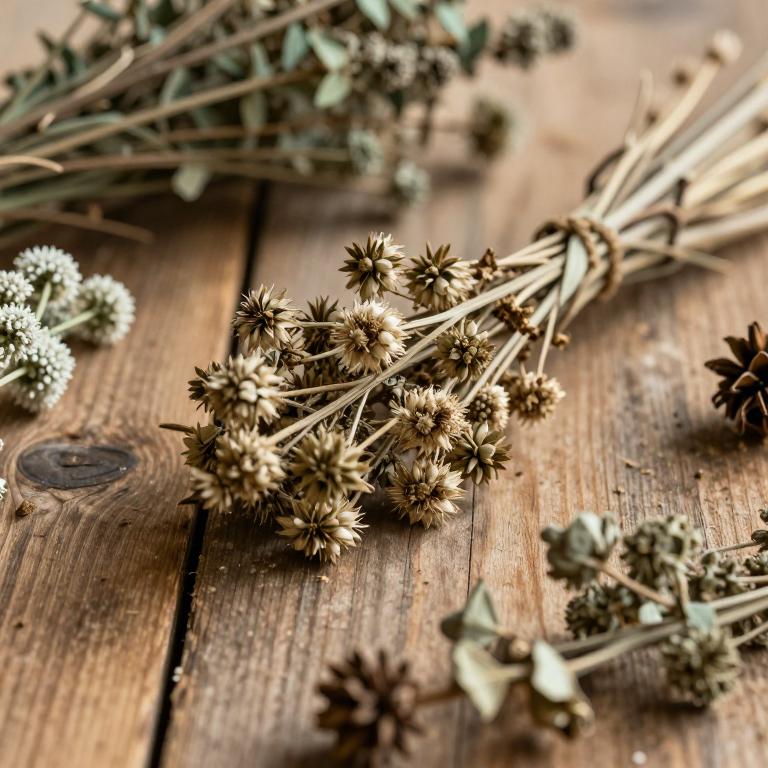
Bulbinella is a fascinating genus of flowering plants known for their striking architectural beauty and resilience. Beyond their ornamental value, these plants hold significant importance in traditional medicinal practices across various regions. Recent scientific interests have focused on their diverse biological activities, particularly regarding their potential therapeutic properties. Some studies highlight their specific antimalarial activities, suggesting a valuable role in combating parasitic infections. Understanding these medicinal qualities continues to make Bulbinella a subject of great interest in ethnobotanical research.
- Synonyms
- Chrysobactron
- Common names
- Not available
- Family
- Asphodelaceae
- Distribution
- Not available
- Plant Parts
- Not available
Classification
Common Names
Bulbinella is a versatile plant that is recognized by many different names across various cultures and regions. It is frequently referred to by the common name Catstails, reflecting its unique physical appearance. In some areas, people also call it Maori onions, highlighting its botanical connections. You may also encounter it known as bulbinka in certain local contexts. Additionally, it is sometimes identified as helosoihdut, showcasing the diverse terminology used to describe this species.
Sources: Catalogue of Life (COL)
Synonyms
Bulbinella is a distinctive genus of flowering plants often recognized by its striking architectural form. In botanical literature, you may occasionally encounter this group referred to by its synonym, Chrysobactron. While these names represent the same biological entity, the transition between classifications highlights the evolving nature of taxonomic study. Understanding these nomenclatural relationships is essential for researchers seeking to accurately identify specific species. Consequently, recognizing both terms ensures clarity when navigating various scientific databases and herbarium records.
Sources: The World Checklist of Vascular Plants (WCVP)
Taxonomy
Bulbinella is a fascinating member of the kingdom Plantae that showcases the incredible diversity of the natural world. Within this vast kingdom, it belongs to the class Equisetopsida and the order Asparagales. Its botanical lineage continues through the family Asphodelaceae, which highlights its unique evolutionary connections. Specifically, the plant is classified under its own distinct genus, Bulbinella. Understanding these taxonomic relationships provides essential insight into the biological identity of this remarkable organism.
| Rank | Classification |
|---|---|
| Kingdom | Plantae |
| Phylum | Streptophyta |
| Class | Equisetopsida |
| Subclass | Magnoliidae |
| Order | Asparagales |
| Family | Asphodelaceae |
| Genus | Bulbinella |
Sources: The World Checklist of Vascular Plants (WCVP)
Distribution
Geographic Regions
Bulbinella displays a fascinating geographic range that spans across two distinct hemispheres. In the African continent, the genus is widely distributed throughout the Southern Africa region, with a particular presence in the Cape Provinces. Its reach extends much further east into Australasia, where it has established itself within the diverse landscapes of New Zealand. Within the New Zealand territory, the plant can be found stretching from the North Island down through the South Island. This widespread distribution highlights the remarkable adaptability of Bulbinella across such vastly different environments.
Sources: The World Checklist of Vascular Plants (WCVP)
Identification
Biological Activities
Bulbinella is a genus within the Aphodelaceae plant family that produces remarkable natural products known as 4-phenylanthraquinones. These compounds, which include knipholone and its related derivatives, have garnered significant scientific interest due to their unique structural and biosynthetic properties. Research indicates that these molecules possess diverse pharmacological profiles, most notably exhibiting potent antimalarial activities. Beyond their potential to combat malaria, these substances also demonstrate promising antitumoral effects. The study of these chemical constituents continues to evolve, especially with recent discoveries involving complex dimeric representatives.