butterfly-bush
Buddleja · Accepted scientific name
Scientific literature: Very Sparse (19 studies) · ★☆☆☆☆
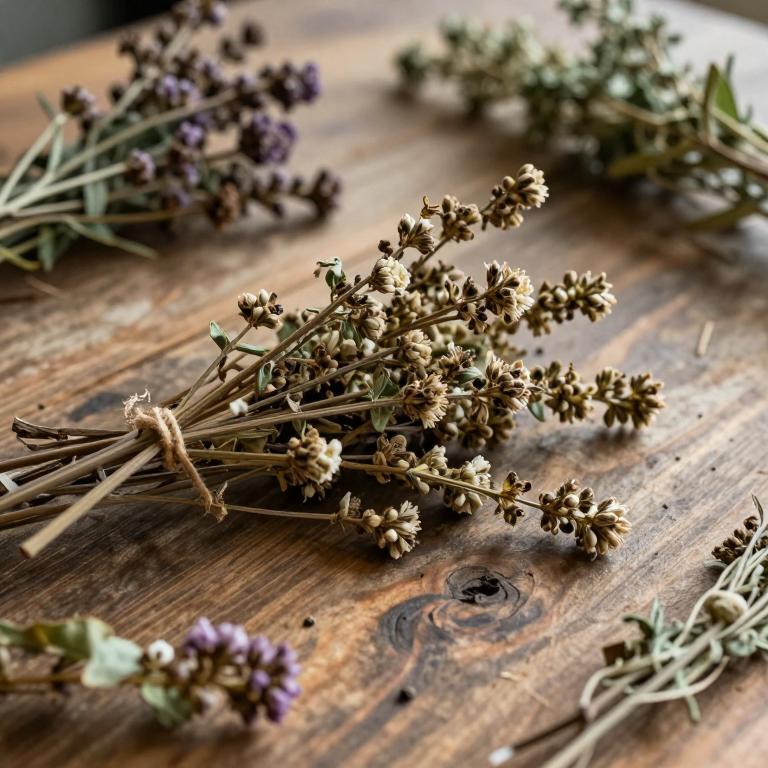
Butterfly-bush, scientifically known as Buddleja, is a versatile flowering shrub renowned for its nectar-rich blooms that attract pollinators. While primarily used in ornamental landscaping, various species offer traditional medicinal properties, including anti-inflammatory and antimicrobial benefits. This resilient plant serves as both a garden centerpiece and a natural remedy.
Names and Synonyms
Common Names
- butterfly-bush
- Sagewoods
- butterfly bushes and allies
Scientific Names
Accepted name
BuddlejaSynonyms
- Adenoplusia
- Adenoplea
- Chilianthus
- Romana
- Emorya
- Nicodemia
- Semnos
Regional and Traditional Names
Spanish:
- Tepozanes
- quishuares
German:
- Sommerflieder
- Schmetterlingsflieder
- Fliederspeer
- Sommerflieder
Sources: Wikidata, Catalogue of Life
Taxonomical Classification
This plant belongs to the kingdom Plantae and the phylum Streptophyta, falling under the class Equisetopsida and subclass Magnoliidae. Within the order Lamiales, it is classified under the family Scrophulariaceae. Finally, its specific taxonomic designation is within the genus Buddleja.
| Rank | Classification |
|---|---|
| Kingdom | Plantae |
| Phylum | Streptophyta |
| Class | Equisetopsida |
| Subclass | Magnoliidae |
| Order | Lamiales |
| Family | Scrophulariaceae |
| Genus | Buddleja |
Sources: The World Checklist of Vascular Plants (WCVP)
Distribution
This plant exhibits a widespread presence across several key regions of the European continent. In Northern Europe, its distribution includes the islands of Great Britain and Ireland. Moving into Middle Europe, the species can be found growing within the borders of Belgium. It also maintains a significant presence throughout the territories of Germany. Finally, the plant is documented to inhabit the central regions of Czechia-Slovakia.
| Region | Area |
|---|---|
| Northern Europe | Great Britain |
| Northern Europe | Ireland |
| Middle Europe | Belgium |
| Middle Europe | Czechia-Slovakia |
| Middle Europe | Germany |
| Middle Europe | Hungary |
| Middle Europe | Netherlands |
| Middle Europe | Poland |
| Middle Europe | Switzerland |
| Southwestern Europe | Corse |
Sources: The World Checklist of Vascular Plants (WCVP)
Chemicals
Buddleja has 1 reported phytochemicals identified across 0 scientific publications and several other databases. The most consistently reported chemicals include Linarin.
| Chemical | Supporting sources | Consensus |
|---|---|---|
| Linarin | 1 supporting sources | ★☆☆☆☆ |
Linarin
- Fitoterapia
Activities
Buddleja has 4 reported activities identified across 0 scientific publications and several other databases. The most consistently reported activities include Anticancer, Antioxidant, Diuretic, Neuroprotective.
| Activity | Supporting sources | Consensus |
|---|---|---|
| Anticancer | 1 supporting sources | ★☆☆☆☆ |
| Antioxidant | 1 supporting sources | ★☆☆☆☆ |
| Diuretic | 1 supporting sources | ★☆☆☆☆ |
| Neuroprotective | 1 supporting sources | ★☆☆☆☆ |
Anticancer
- Fitoterapia
Antioxidant
- Fitoterapia
Diuretic
- Journal of ethnopharmacology
Neuroprotective
- Fitoterapia
Conditions
Buddleja has 14 reported investigations on conditions identified across 0 scientific publications and several other databases. The most consistently reported conditions include Alzheimer's disease, acute kidney injury, brain cancers, hyperuricemia, infectious diseases.
| Condition | Supporting sources | Consensus |
|---|---|---|
| Alzheimer's disease | 1 supporting sources | ★☆☆☆☆ |
| Acute kidney injury | 1 supporting sources | ★☆☆☆☆ |
| Brain cancers | 1 supporting sources | ★☆☆☆☆ |
| Hyperuricemia | 1 supporting sources | ★☆☆☆☆ |
| Infectious diseases | 1 supporting sources | ★☆☆☆☆ |
| Inflammatory bowel disease | 1 supporting sources | ★☆☆☆☆ |
| Ischemic stroke | 1 supporting sources | ★☆☆☆☆ |
| Liver diseases | 1 supporting sources | ★☆☆☆☆ |
| Lung cancers | 1 supporting sources | ★☆☆☆☆ |
| Neurodegenerative disorders | 1 supporting sources | ★☆☆☆☆ |
Alzheimer's disease
- Fitoterapia
Acute kidney injury
- Fitoterapia
Brain cancers
- Fitoterapia
Hyperuricemia
- Fitoterapia
Infectious diseases
- Fitoterapia
Inflammatory bowel disease
- Fitoterapia
Ischemic stroke
- Fitoterapia
Liver diseases
- Pakistan journal of pharmaceutical sciences
Lung cancers
- Fitoterapia
Neurodegenerative disorders
- Fitoterapia