Buddleja incana
Buddleja incana · Accepted scientific name
Scientific literature: Very Sparse (0 studies) · ★☆☆☆☆
Buddleja incana is a significant medicinal plant that has garnered increasing interest due to its diverse phytochemical profile. To investigate its complex chemical constituents, researchers utilize advanced analytical techniques such as confocal microscopy and flow cytometry. The study of its biological properties often begins with the systematic preparation of methanolic extracts to capture a broad range of compounds. Furthermore, the isolation of specific chloroform fractions allows for a more targeted analysis of non-polar bioactive molecules. Through these rigorous methodologies, the therapeutic potential of this species can be more accurately understood and characterized.
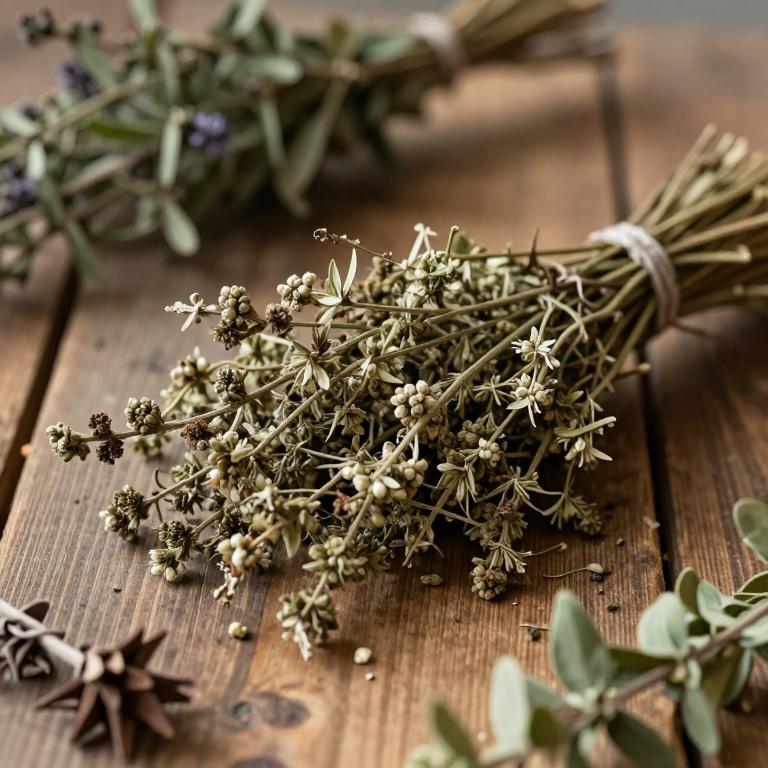
- Synonyms
- Nicodemia Rondeletiiflora · Buddleja Rugosa · 3 more
- Common names
- Not available
- Family
- Scrophulariaceae
- Distribution
- Not available
- Plant Parts
- Not available
Classification
Common Names
Buddleja incana is a versatile plant known by many different names across various cultures and languages. In certain regions, it is commonly referred to as Jach'a kiswara or simply Kishuara. Other local variations include the name kishuar, reflecting the diverse linguistic roots associated with the species. In a European context, the plant is frequently identified as pilkšvoji budlėja or budleja andyjska. These multiple common names highlight the global presence and cultural significance of this unique species.
Sources: Catalogue of Life (COL)
Synonyms
Buddleja incana is a complex species characterized by several botanical synonyms that reflect its diverse taxonomic history. It is closely linked to varieties such as Buddleja incana var. pannulosa and Buddleja incana var. rugosa. Scientific literature also identifies the plant under the name Buddleja rondeletiiflora, highlighting its morphological variations. Furthermore, the species has been historically classified within the genus Nicodemia, appearing as Nicodemia rondeletiiflora. This classification extends to specific forms like Nicodemia rondeletiiflora var. acuminata, illustrating the intricate web of botanical nomenclature surrounding this plant.
Sources: The World Checklist of Vascular Plants (WCVP)
Taxonomy
Buddleja incana is a distinctive member of the kingdom Plantae. Within this vast biological realm, it belongs to the class Equisetopsida. It is further categorized under the order Lamiales, which helps define its structural characteristics. This plant is a specific representative of the genus Buddleja. Finally, it is classified within the family Scrophulariaceae, completing its botanical profile.
| Rank | Classification |
|---|---|
| Kingdom | Plantae |
| Phylum | Streptophyta |
| Class | Equisetopsida |
| Subclass | Magnoliidae |
| Order | Lamiales |
| Family | Scrophulariaceae |
| Genus | Buddleja |
Sources: The World Checklist of Vascular Plants (WCVP)
Distribution
Geographic Regions
Buddleja incana is a resilient species primarily distributed throughout the diverse landscapes of Southern America. Within the western regions of the continent, it maintains a significant presence across several distinct territories. Its natural habitat spans the mountainous terrains of Colombia and the lush environments of Ecuador. Additionally, the plant can be found flourishing throughout the expansive reaches of Peru. This widespread distribution highlights the plant's ability to thrive within the unique ecological niches of Bolivia and its neighbors.
Sources: The World Checklist of Vascular Plants (WCVP)
Identification
Morphology
Buddleja incana is a self-supporting species that adopts a tree-like growth form. This robust plant can reach a maximum height of 10 meters in the right conditions. Its sturdy structure allows it to stand tall and dominate its natural landscape.
Sources: Global Inventory of Floras and Traits (GIFT)
Biological Activities
Compounds
Conditions
Buddleja incana extracts and fractions cause significant interference in several fluorescence-based biological assays. Specifically, this plant interferes with resazurin reduction assays by causing significant differences in relative fluorescence units compared to unexposed groups. In confocal microscopy, the metabolites of B. incana are observed within the same emission spectra as gastric cancer stem cell markers. The plant also interferes with flow cytometry, as cells exposed to its extracts were detected in the double positive quadrants even without fluorescent dyes. These interactions occur because the methanolic extracts and chloroform fractions of B. incana contain autofluorescent metabolites.
Preparations
Buddleja incana is prepared as both chloroform fractions and methanolic extracts for use in biological research. These specific preparations were utilized to investigate potential interference in fluorescence-based assays involving gastric cancer stem cells. The study demonstrated that both the methanolic extracts and the chloroform fractions of the plant contain metabolites that cause autofluorescence. This autofluorescence was particularly evident during confocal microscopy, where the plant's preparations were observed within the same emission spectra as the cancer stem cell markers. Consequently, the use of these Buddleja incana preparations necessitates careful evaluation to prevent interpretation biases in fluorescence assays.